

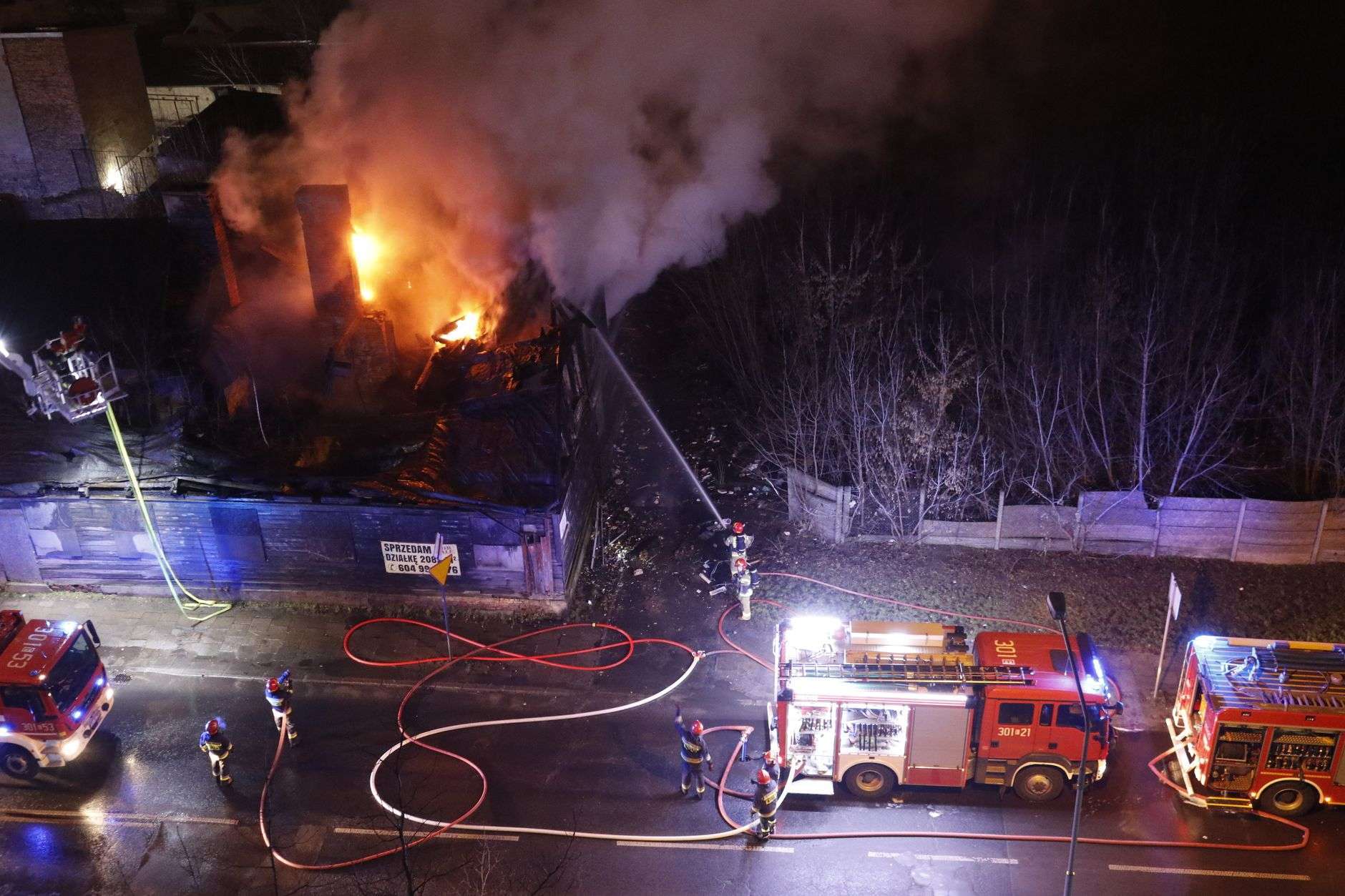
BALDWIN COUNTY, Ala. — A house fire in Lillian destroyed a home and killed two family pets after flames broke through the roof in the early hours of Thursday morning.
The fire happened Thursday, Sept. 17, on Bayview Drive. Firefighters were called to the home around 3:45 a.m.
What Crews Found
By the time the Lillian Volunteer Fire Department arrived, the fire had already reached the roof.
“When we got there, we could see flames coming from the roof already,” Lillian Volunteer Fire Chief Curtis Cantrell said. “We knew that we had a pretty severe fire to get under control.”
Flames visible through a roof at the time of arrival is one of the clearest indicators a fire officer can get that a structure fire has been burning for some time. A fire contained to one room produces smoke; a fire that has vented through the roof has already involved the attic space or spread across the ceiling.
The Resident Escaped
The woman who lives in the home got out.
“We got a call from the resident here. She was out on the back of the porch and said she heard an explosion,” Cantrell explained.
Officials said the woman is okay. As the flames took over the home, she was unable to go back inside to reach her pets. Her dog and cat did not survive.
A Long Day, and Then a Longer One
Crews were at the home for most of Thursday evening working to control the fire. Nearly 24 hours later, firefighters were still returning to put out hot spots and make sure the fire did not flare back up.
That extended timeline is characteristic of a fire in a home where the structure has been compromised. Burning material inside walls, in attic insulation and beneath collapsed sections can smolder for many hours after visible flames are knocked down, and a hot spot that goes unnoticed can reignite a structure hours after crews have cleared the scene.
Most of the smoke has cleared, but what is left behind reflects how destructive the fire was. The home is a total loss.
The Water Supply Problem
Chief Cantrell identified the operational challenge that defined the response.
“Our biggest challenge is just the water supply. Getting an engine on to attack and then getting water supply to that engine so that we don’t run out,” he said. “We were able to keep it from spreading to the house next door and to the garage.”
Water supply is the recurring constraint in rural firefighting. An engine carries a limited tank — often somewhere between 500 and 1,000 gallons — which at an aggressive attack flow rate can be consumed in a matter of minutes.
In areas served by municipal water systems with hydrants, an engine connects to a hydrant and has effectively unlimited supply. In areas without hydrant coverage, departments must establish a water shuttle: tankers running in rotation between the fire scene and a fill site, dumping into portable tanks from which the attack engine draws.
Setting up and sustaining a shuttle takes personnel, apparatus and time, and it is the reason mutual aid from neighboring departments becomes essential on a working structure fire in a rural area. Cantrell noted that several neighboring departments assisted.
What Was Saved
The home could not be saved, but the fire did not spread. Crews kept it from reaching the house next door and the garage — which, in a residential area where structures sit close together, is a meaningful outcome.
Exposure protection is a standard tactical priority when a structure is already beyond saving. Directing water onto the adjacent building rather than exclusively onto the fire prevents radiant heat from igniting siding, eaves and windows on the neighboring home.
Cause Under Investigation
Officials said the cause of the fire is still under investigation.
The resident’s report of hearing an explosion before the fire is one detail investigators will examine, though such reports can have a range of explanations — from a failure in an appliance or an electrical component to the sound of a window or structural element failing under heat.
Volunteer Departments on the Eastern Shore
Lillian sits in the southeastern corner of Baldwin County, near the Florida line on the shore of Perdido Bay. Like most of the unincorporated communities in the county, it is served by a volunteer fire department.
Alabama relies heavily on volunteer firefighting. Volunteer departments cover the majority of the state’s geography, and their members respond from home or work rather than from a staffed station — which lengthens response times compared with career departments but provides coverage that would otherwise be unaffordable for small communities.
A 3:45 a.m. call means volunteers were roused from sleep, drove to a station, and then drove to the scene.
For Homeowners
Fires of this kind are a reminder of a few practical points. Working smoke alarms on every level and in every sleeping area remain the single most effective protection against dying in a house fire. A practiced escape plan matters more at 3:45 a.m. than at any other hour.
And as painful as it is, fire officials consistently advise against re-entering a burning structure for pets or possessions. The resident in this case survived because she was already outside.
Households with pets can improve the odds by keeping pets in areas near exits when unattended and by placing a pet alert sticker near the front door indicating how many animals are inside — information firefighters can use if conditions permit a search.