

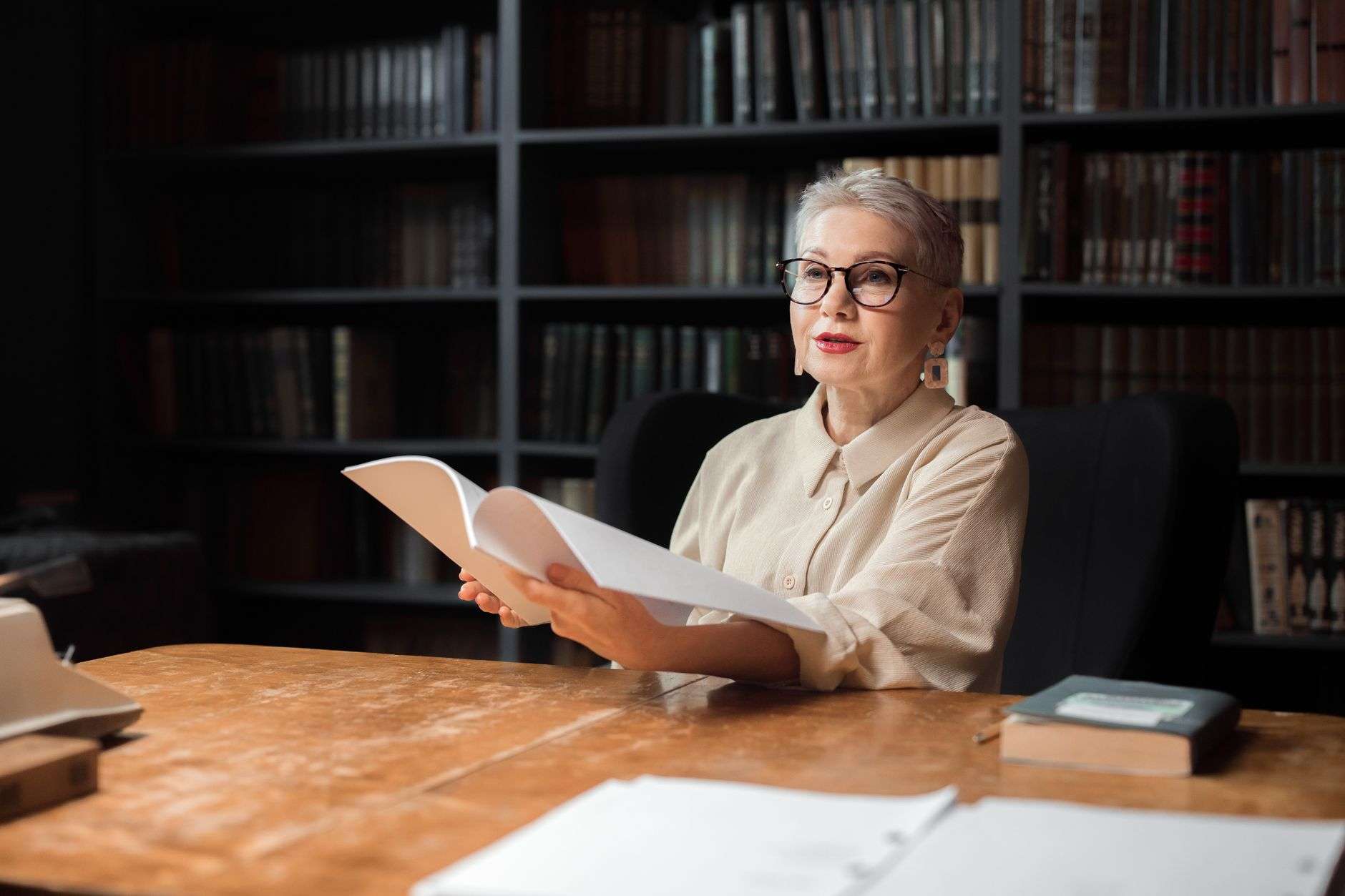
Fairhope readers with an interest in the written word — and in local history — have a date to mark. Local author and nationally known speaker T. Jensen Lacey will present a talk titled “The Power of the Written Word” at the Fairhope Museum of History on Saturday, Aug. 29, at 1 p.m. The free presentation is open to the public and will last approximately 30 to 45 minutes, followed by a question-and-answer session, giving attendees the chance both to hear the talk and to engage its author directly.
The venue is fitting. The Fairhope Museum of History, housed in the historic old city hall in downtown Fairhope, preserves and presents the story of one of Alabama’s most distinctive communities — a town founded in 1894 as a utopian experiment by a group of Midwesterners who came to the Eastern Shore of Mobile Bay seeking what they called a “fair hope” of prosperity and single-tax reform. That history of idealism, education and free thought made Fairhope a haven for writers, artists and intellectuals over more than a century, and the museum that guards that story is exactly the kind of place a talk about the transformative power of writing belongs.
An Author of 23 Books
Lacey brings substantial credentials to the podium. She is the author of 23 books and more than 900 newspaper and magazine articles, a body of work spanning genres and decades that has taken her writing from local newspapers to national publications. In her talk, she will discuss how the written word can be used to transform lives, improve health and positively influence others — themes that reach beyond craft into the practical effects that writing and reading have on people’s lives. The idea that writing can improve health is not merely rhetorical; research on journaling and expressive writing has linked the practice to measurable benefits in stress and wellbeing, and speakers like Lacey draw on both experience and that broader understanding to make the case that words do real work in the world.
The presentation will also explore local history, including the story of the “Roundhouse,” also known as “The Hermit House.” For Fairhope audiences, the reference is a treat: the town’s history is full of distinctive characters and structures, and the museum’s programs regularly surface stories that even longtime residents may not know. Talks that connect an author’s craft to the specific history of the place where she is speaking have become a signature format for historical societies and museums across the Gulf Coast, drawing audiences who come as much for the local lore as for the speaker.
A Familiar Voice on National Radio
Lacey’s reach as a speaker extends well beyond the Gulf Coast. A frequent speaker and media guest, she has appeared 11 times on national public radio and twice on The Grand Ole Opry Radio, a broadcast whose audience reaches more than 20 million listeners. Those appearances reflect a career built not only on producing books and articles but on talking about them — a skill that separates working authors who connect with audiences from those who stay behind the page. Her stories have also been featured 21 times in the nationally bestselling “Chicken Soup for the Soul” series, the anthologies that have carried short inspirational writing into tens of millions of homes worldwide and that have long served as a proving ground for writers who can tell a story with warmth and economy.
The Aug. 29 talk fits comfortably within that track record: a short, accessible presentation followed by questions, delivered in a museum setting where history and storytelling share the stage. Admission is free, which is consistent with the museum’s role as a community institution — its programming is designed to be open to everyone, from lifelong Fairhopians to visitors spending a Saturday exploring the town’s shops and bayfront.
For aspiring writers in the audience, the question-and-answer session that follows the talk may prove the most valuable part of the afternoon. Authors who have published 23 books and survived the demands of freelance journalism — the 900-plus articles Lacey has written represent years of deadlines, interviews and revisions — can speak with authority about the practical realities of the writing life: how to keep producing, how to handle rejection, how to find stories in the places other people overlook. Talks like this one, offered free in small museums and libraries across the region, have long served as informal gateways into the profession for writers who later credit a single afternoon for showing them that a writing career was possible.
The setting adds its own weight. Fairhope’s identity as a literary town runs deep: the community that began as a single-tax colony in 1894 attracted thinkers and writers from its earliest decades, and its library, bookstores and museum programming have kept reading and writing at the center of civic life. The museum’s building, the old city hall in the heart of downtown, puts the audience within walking distance of the streets and landmarks any talk about local history will reference. Attendees often pair such events with the town’s other attractions — the pier and park on Mobile Bay, the shops along Section Street — making a Saturday museum talk part of the larger experience of visiting one of Alabama’s most distinctive towns.
Books Available Locally
Attendees who want to explore Lacey’s work further have easy options: her books are available in local shops and on Amazon. That availability matters to the culture of small-town author events — buying a book locally, and having it signed after a talk, sustains the independent bookstores that keep author visits possible. Local shops that stock regional authors also serve as informal archives of the Gulf Coast’s literary life, keeping in print the books that chain retailers would not carry.
The Aug. 29 presentation joins a broader calendar of cultural programming on the Eastern Shore, where museums, libraries and historical societies schedule speakers through the year. What distinguishes this event is the combination it offers: a nationally experienced speaker, a topic with immediate personal relevance to anyone who writes or loves to read, and a chapter of Fairhope history — the story of the Roundhouse, the Hermit House — that promises to be new to many in the room. The talk begins at 1 p.m., runs 30 to 45 minutes, and closes with questions from the audience; admission is free and the public is welcome.
For the museum, hosting Lacey continues its mission of connecting the community to its own story, in part through the people who can tell that story best. For the audience, the afternoon offers something increasingly rare: a thoughtful hour about why words matter, delivered by someone who has spent a career proving it, in a building full of the history the words describe.
The theme Lacey has chosen — the power of the written word to transform lives — has a long lineage in American community life, and it maps neatly onto the history of places like Fairhope. The town’s founders believed that education and open inquiry were foundations of a better society, and the colony’s early years included lectures, reading circles and debates that were as much a part of community life as farming and fishing. Museums like Fairhope’s inherit that tradition, using talks and exhibits to keep the idea alive that words — in books, newspapers, letters and now screens — remain the tools by which people understand one another and change their circumstances.
Lacey’s career embodies the range the talk will describe. A writer who has moved between books, magazines and newspapers understands that writing does different work in different forms: a book can carry a reader through a world, a magazine feature can open a window onto a life, a newspaper story can hold a community’s memory of a day. Her appearances on national public radio and The Grand Ole Opry Radio added broadcast to the mix, reaching audiences of millions who knew her voice rather than her byline. The 21 appearances in “Chicken Soup for the Soul” anthologies put her stories in a series whose entire premise is the one she will discuss — that a well-told story can comfort, encourage and change the person who reads it.
Local History on the Program
The local history component gives the talk a second life beyond the craft discussion. Fairhope’s archives are rich with stories of the unconventional — the single-tax colonists, the artists and radicals who made the town a byword for free thought on the Gulf Coast, and the unusual structures and characters that generations of residents have passed down in oral history. The Roundhouse, known as the Hermit House, is exactly the kind of story that museum audiences relish: a structure and a life that became local legend, preserved in photographs and recollections and now retold by a writer whose profession is giving stories their shape.
Museum programming of this kind has become an important thread in the cultural life of Baldwin County’s communities. The museum’s speaker events draw audiences across generations — longtime residents who remember the people and places being discussed, newcomers eager to learn the history of the town they have joined, and students working on local history projects. The conversations that continue after such talks, in the museum’s exhibit rooms and on the sidewalks of downtown, are where community memory does its quiet work.
The event is free, begins at 1 p.m. on Saturday, Aug. 29, at the Fairhope Museum of History, and includes approximately 30 to 45 minutes of presentation followed by questions. Books by Lacey are available in local shops and on Amazon, and audiences are welcome whether or not they know the first thing about Fairhope’s history — the talk, like the town itself, is open to anyone curious enough to walk in.