McIntosh Bicyclist, 19, Killed in Mount Vernon Ambulance Crash on U.S. 43
ALEA identified the bicyclist killed when an ambulance struck him on U.S. 43 north of Mount Vernon on Oct. 5 as Teddy Weaver Jr., 19, of McIntosh. The cause of the crash has not been released.
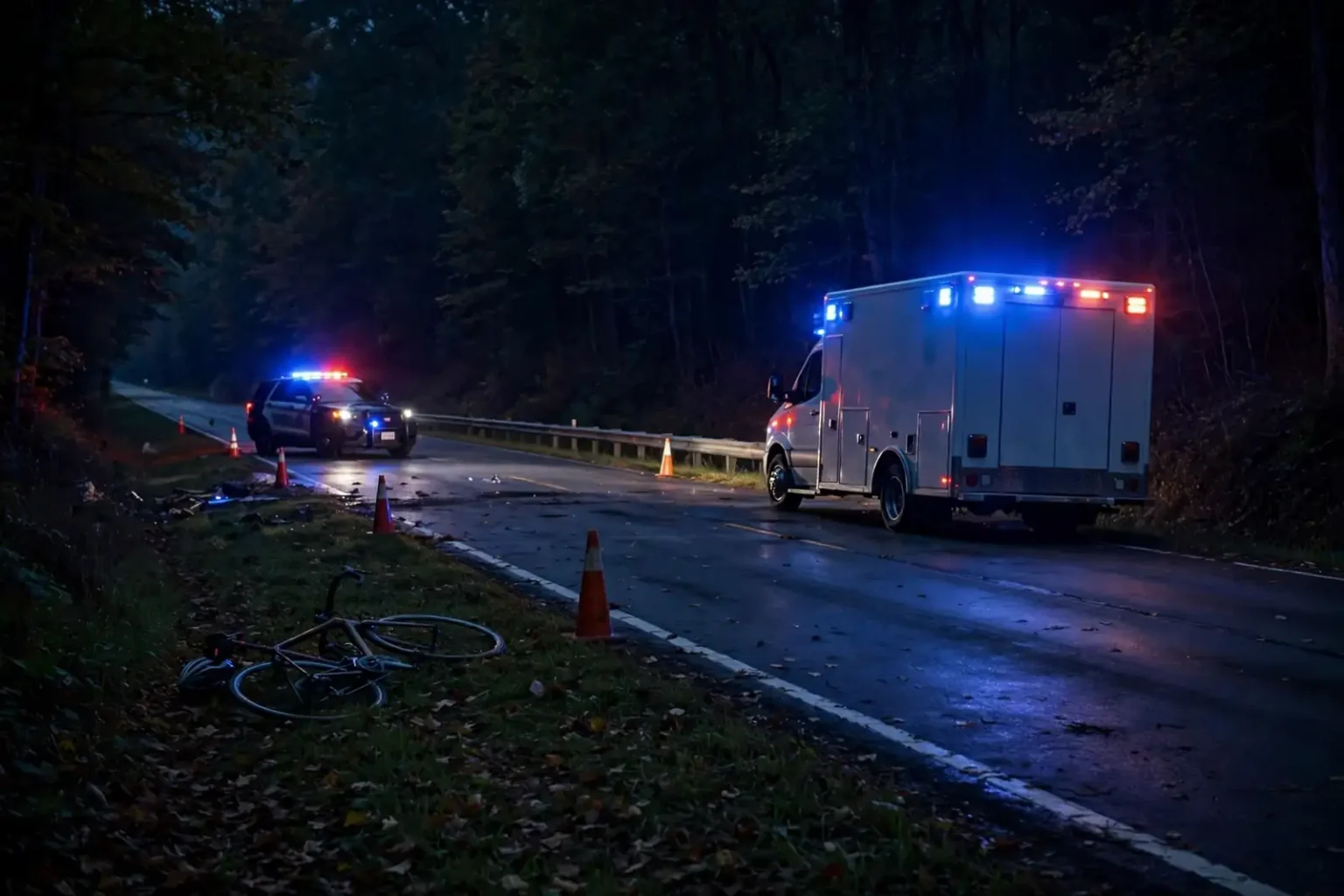
MOUNT VERNON, Ala. — A 19-year-old McIntosh man was killed when an ambulance struck him while he was riding a bicycle near Mount Vernon in north Mobile County, according to the Alabama Law Enforcement Agency, which is investigating the Mount Vernon ambulance crash.
State troopers identified the bicyclist as Teddy Weaver Jr. He died at the scene.
According to an ALEA news release, the crash happened at about 8:15 p.m. Monday, Oct. 5, on U.S. Highway 43 about one mile north of Mount Vernon. Troopers said the ambulance, driven by a 25-year-old man, collided with the bicyclist. ALEA has not publicly identified the driver.
The ambulance belonged to Newman’s Ambulance, according to local reports. A spokesperson for the company said Newman’s had no comment.
A Week of Few Details
For more than a week after the crash, little information was available. ALEA initially confirmed only that a fatal crash involving an ambulance and a bicyclist had occurred on Oct. 5 near East Coy Smith Highway in Mount Vernon. Reporters who asked for more were told that no further details would be released until the agency’s crash investigation was complete, at which point a news release would be sent to area media.
That release has now identified Weaver and the age of the driver, but it does not say what caused the collision, whether the ambulance was responding to an emergency or transporting a patient at the time, which direction either was traveling, or whether any charges are being considered.
ALEA has said its troopers are continuing to investigate. Questions about the case should be directed to the agency.
How ALEA Investigates Fatal Crashes
Crashes on state and federal highways outside city limits in Alabama are generally worked by ALEA’s Highway Patrol Division, the state’s highway patrol. In serious and fatal collisions, troopers trained in crash reconstruction may document the scene, take measurements, examine the vehicles involved and gather statements and any available video before reaching conclusions about how a crash happened.
Those investigations can take weeks or months. When a fatal crash involves a possible criminal case, findings may be forwarded to the district attorney’s office for review. ALEA has not said whether that has happened or will happen in this case, and nothing released so far indicates wrongdoing by anyone involved.
Because the crash involved a commercial ambulance operator, it may also draw questions about the vehicle’s status at the time. Alabama law allows authorized emergency vehicles that are using lights and sirens to exceed speed limits and proceed through some traffic controls, but drivers must still operate with due regard for the safety of everyone on the road. ALEA has not said whether the ambulance’s emergency equipment was in use.
U.S. 43 and the North Mobile County Corridor
U.S. 43 is the main north-south route linking Mobile with the communities of north Mobile County and Washington County, including Satsuma, Creola, Axis, Mount Vernon and, just across the county line, McIntosh. The highway carries a steady mix of commuter traffic, industrial trucks serving the plants along the Mobile River and local residents traveling between small towns.
Outside town centers, much of the corridor has limited lighting and few dedicated facilities for people on foot or on bicycles. The crash that killed Weaver happened after dark, at about 8:15 p.m.
McIntosh is a small town in southern Washington County, a short drive north of Mount Vernon on U.S. 43.
What Alabama Law Says About Bicycles on the Road
In Alabama, a person riding a bicycle on a roadway generally has the same rights and duties as the driver of a vehicle. Since 2015, state law has required motorists to leave at least three feet of space when passing a bicyclist traveling in the same direction.
Bicyclists riding at night are required to have a white front lamp and a red rear reflector, and safety advocates recommend adding a rear red light and reflective clothing, especially on rural highways where drivers may not expect cyclists. Drivers are urged to slow down and give extra room when they see a bicycle, particularly after dark.
ALEA has not said whether lighting, visibility, speed or any other factor contributed to the Oct. 5 crash.
Recent Bicycle Crashes in the Mobile Area
The death comes amid other serious crashes involving bicyclists in Mobile County this month. On Oct. 7, a bicyclist was critically injured in a collision at Azalea and Cottage Hill roads in Mobile, where police said charges were still possible.
Nationally, bicyclist deaths have trended upward over the past decade, according to federal traffic safety data, with a large share of fatal crashes occurring in low-light conditions.
What Comes Next
ALEA is expected to complete its investigation before releasing any conclusions about the cause of the crash. South Alabama News will update this story if the agency releases additional findings, names the driver, or if any charges are filed.