

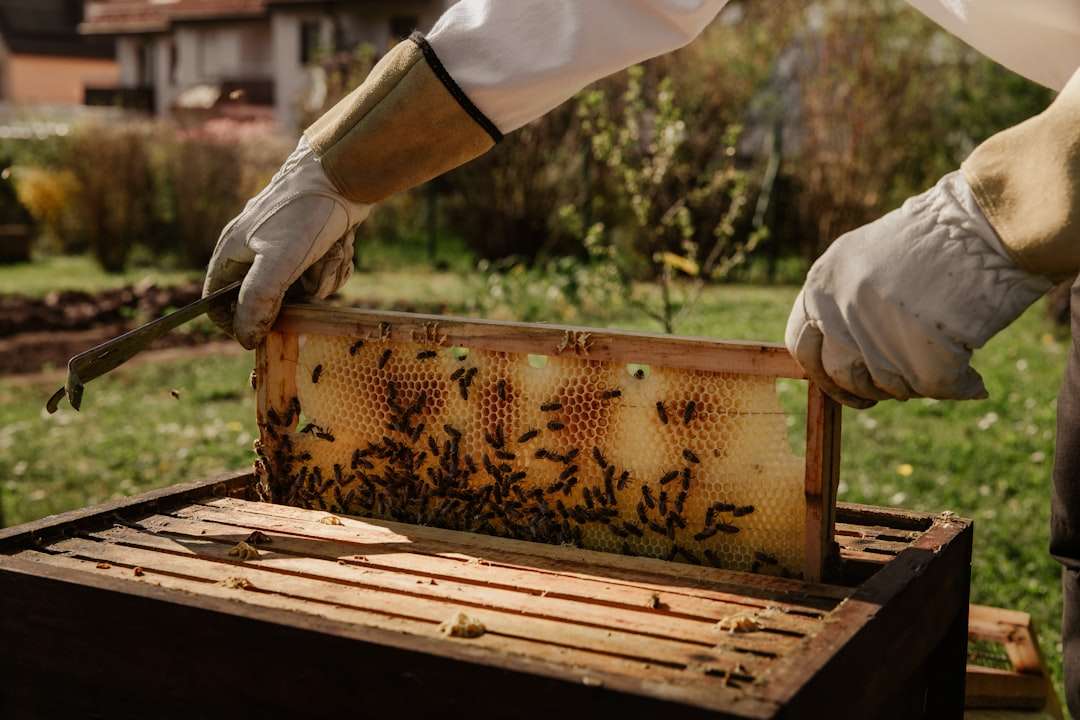
Aspiring beekeepers in Monroe County will soon have a new place to learn the craft. Coastal Alabama Community College is rolling out a Beekeeping Academy at its Monroeville Campus this fall, giving hobbyists, small farmers, and pollinator advocates a structured, hands-on introduction to keeping honeybees. For a county whose economy has always been tied to timber, farming and the land, the new course fits the community as naturally as its subject fits the season.
The eight-week course begins September 24, 2026, and runs through November 12, with classes meeting Thursday evenings from 6:00 to 7:30 p.m. Registration opens September 3, and the program is priced at $45 per person. College officials say seating is limited, so those interested are encouraged to sign up early once registration goes live.
The timing puts the class in the stretch of the Alabama calendar when beekeepers think about winter rather than honey harvest. Students who start in late September will be learning colony care just as temperatures drop and hives settle into their cold-season rhythm — the season when new beekeepers most often lose colonies, and when knowing what to check, feed and leave alone matters most.
What the Course Covers
The curriculum is designed to take students from the basics through practical hive care, covering honeybee biology, hive management, seasonal maintenance schedules, and the equipment beekeepers rely on throughout the year. That arc runs from the anatomy of a colony — the queen, the workers, the drones and the division of labor that keeps a hive alive — down to the practical questions a beginner faces the first time they light a smoker or open a box of bees.
Equipment is a bigger part of the learning curve than newcomers expect. Protective gear, hive bodies, frames, extractors and feeders all represent decisions a new beekeeper makes before a single bee arrives, and the course’s coverage of what to buy, what to skip and what can wait until year two is among the most immediately useful material for students weighing their first investment in the hobby. Getting equipment decisions right the first time saves both money and colonies, and the instructors’ guidance on what actually matters in Alabama’s climate is the kind of knowledge that rarely appears in generic starter guides.
Seasonal maintenance is where the course’s November ending pays off for students. Winterizing a hive in south Alabama looks nothing like the winterizing described in books written for northern beekeepers — colonies here stay semi-active, require monitoring for stores, and can be lost to starvation or pests during warm spells when they consume feed. Students finishing the course in mid-November will step straight from the classroom into their first winter with a plan.
The goal is to leave participants equipped to start and sustain a healthy colony, whether they are motivated by a backyard hobby, a broader agricultural operation, or a desire to help shore up pollinator populations closer to home. Students finish with a realistic picture of the work: colonies require inspections, feeding decisions, pest monitoring and seasonal interventions, and the class is built to make those tasks routine rather than intimidating.
Coastal Alabama is bringing in outside expertise to round out the instruction. The academy is a partnership between the college, the Alabama Department of Agriculture and Industries, and the Monroe County Extension office, meaning students will learn from professionals with both regulatory and field experience in beekeeping and agriculture across the region. Few beginning beekeeping courses anywhere in the state can offer that combination of college instruction, state regulatory knowledge and county-level field experience in a single eight-week package.
That partnership structure matters more than it might first appear. The state agriculture department administers Alabama’s beekeeping regulations and inspection programs, while the Extension office — Monroe County’s local arm of the Alabama Cooperative Extension System, which ties Auburn University’s expertise to every county in the state — provides research-backed guidance on everything from hive pests to forage plants. Students who learn the system from people inside it graduate knowing exactly who to call when their colony develops a problem.
Why It Matters for South Alabama
Honeybees and other pollinators play an outsized role in the region’s agricultural economy, from row crops to home gardens and orchards, and beekeeper numbers in rural Alabama have fluctuated in recent years amid concerns over colony losses tied to disease, pests, and habitat loss. Pollination is invisible infrastructure: melons, cucumbers, apples, blueberries and countless garden crops set fruit only when pollinators are working, and both managed hives and wild bees carry that load across Alabama’s fields and backyards. Beekeepers notice the gap first — a hive placed beside a garden changes what that garden produces — but the effects reach every table in the county.
The pressures on colonies are well documented and mutually reinforcing. Varroa mites remain the most persistent threat to managed hives in the Southeast, while habitat loss trims the forage that keeps colonies strong and weather swings can disrupt the bloom cycles bees depend on. Rural counties feel the pinch acutely, because fewer backyard beekeepers means fewer local colonies pollinating local gardens and farms, and fewer mentors to teach the next keeper.
Programs like this one give local residents a low-cost entry point into an activity that supports both food production and the broader ecosystem, while also connecting them with the state agriculture department and extension resources they can continue to draw on after the class ends. At $45 for eight weeks of instruction, the price is deliberately within reach of anyone curious about the craft — a fraction of the cost of the hive equipment it prepares them to buy.
Meet the Lead Instructor
Leading the academy is Dr. Kelly Palmer, a biology instructor at Coastal Alabama Community College who will serve as the program’s lead instructor. Palmer emphasized the broader stakes behind the hobby, saying that “Beekeeping plays an important role in agriculture, environmental sustainability, and food production.”
Palmer also voiced enthusiasm for the chance to help local residents play a direct role in supporting ecosystems in their own communities. A single backyard hive puts thousands of pollinators into a neighborhood’s gardens, orchards and roadsides each season, which is why beekeeping has become one of the most popular citizen-level environmental actions in rural Alabama — visible, productive and immediately local. Every new keeper trained also becomes a resource for the next one, and rural counties with active beekeeper networks have historically kept their colonies healthier than areas where keepers work in isolation.
For students, a college-based course also offers something YouTube tutorials cannot: live colonies, hands-on equipment practice and an instructor who can answer the specific questions their hives raise. Monroe County residents who complete the academy will not just understand honeybees in the abstract — they will have opened frames, handled equipment and seen colony management demonstrated before committing to hives of their own.
How to Register
Registration for the Beekeeping Academy opens September 3, 2026, with a course fee of $45 per participant. Because space is limited, the college is encouraging early sign-ups. Those interested in reserving a spot or learning more can reach Dr. Kelly Palmer directly by email at [email protected] or by phone at 251-350-9129, or they can visit the Coastal Alabama Community College website for additional details. No prior beekeeping experience is assumed, and students do not need to own hives to enroll — the course is designed for complete beginners as well as keepers who started without formal training and want to fill the gaps.
Prospective students should move quickly once registration opens. Continuing education courses at rural community colleges often fill their limited seats in the first days, and a Thursday-evening schedule — chosen to fit around work hours — typically draws strong interest from working adults, retirees and small farmers alike. A class this affordable rarely stays open long, so early registration is the only reliable way to secure one of the limited seats.
About Coastal Alabama Community College
Coastal Alabama Community College operates multiple campuses across South Alabama, including its Monroeville Campus, which serves residents of Monroe County and the surrounding area. The college regularly offers continuing education and workforce-focused courses aimed at giving community members practical, affordable skills outside of its traditional degree programs, and the new Beekeeping Academy joins that lineup this fall.
The Monroeville campus has long been the region’s accessible hub for education that stops short of a full degree — short courses, certifications and community programs aimed at residents who want skills without a semester-long commitment. A beekeeping academy fits that mission precisely: it is practical, inexpensive, rooted in the county’s agricultural identity, and aimed at residents who will put what they learn to work in their own backyards within months of the final class.