

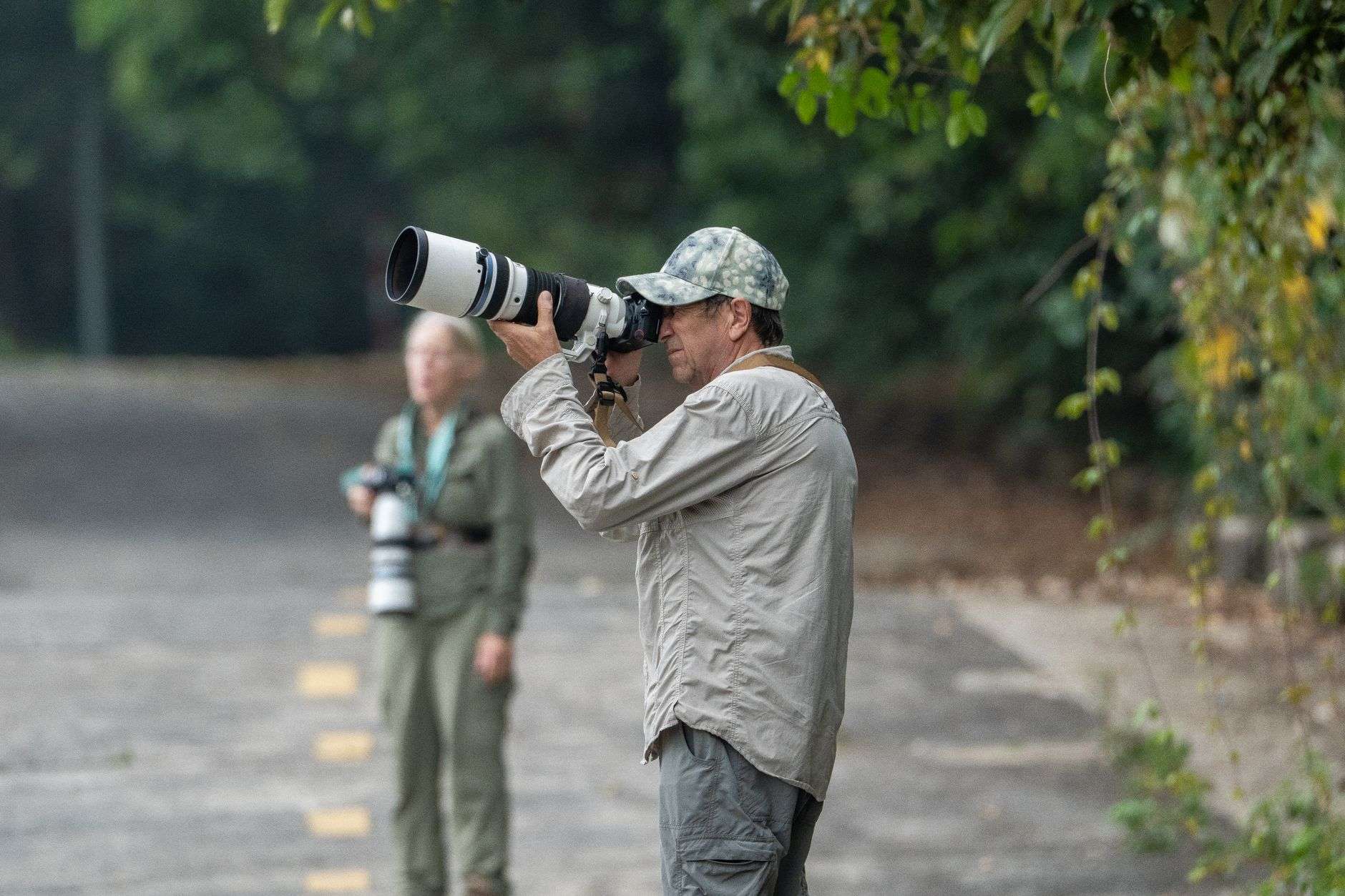
The Outdoor Alabama Photo Contest is accepting entries for its 2027 competition, and the rules this year carry a deliberate restriction: the contest is going back to traditional photography and handheld cameras.
No cellphone, smartphone, game camera or drone photography will be chosen as winning photos in nine of the 10 categories. Smartphone and tablet photos will be accepted only in the Young Photographers category.
Who Can Enter
The contest is open to state residents and visitors alike, but qualifying photos must have been taken in Alabama within the past two years. Any amateur photographer not employed by the Alabama Department of Conservation and Natural Resources is encouraged to enter.
An individual may submit up to 10 photos. Those can all go into one category or be spread across several.
First-, second- and third-place finishers, plus one honorable mention, will be awarded in each category.
Where the Winners End Up
Winning images will be featured online and in a traveling exhibit at venues across the state during 2027.
The 2026 Outdoor Alabama Photo Contest Exhibit is currently on display at The Lodge at Gulf State Park, 21196 East Beach Blvd. in Gulf Shores, through Nov. 18.
The 10 Categories
Alabama State Parks. Scenic images or people taking part in recreational activities at any of Alabama’s 21 state parks. The name of the park must be included in the description. Note: Historic Blakeley State Park in Baldwin County is not part of ADCNR’s state park system and does not qualify for this category.
Birds. Native or migratory songbirds, hummingbirds, game birds and raptors.
Bugs and Butterflies. Bugs, insects and arthropods — bees, butterflies, centipedes, dragonflies, spiders.
Cold-Blooded Critters. Turtles, frogs, snakes, lizards, salamanders, crayfish and fish.
Nature-Based Recreation. People enjoying outdoor recreation: hunting, fishing, shooting sports, boating, paddling, hiking, camping, mountain biking, rock climbing, surfing. Hunting and fishing photos are highly encouraged. No organized sports.
Scenic. Waterfalls, mountain and canyon vistas, beach and coastal scenery, landscapes, swamps and bayous, wetlands, sunrises and sunsets, and nighttime photography including astrophotography. People may appear, but the scenery must be the prominent feature.
Shoots and Roots. Wildflowers, foliage, fungi, fruiting bodies and other parts of plants or trees. Native flora and fungi are highly encouraged.
Sweet Home Alabama. Photos in which natural or manmade landmarks or other inanimate objects are prominent. Regional festivals may also be entered. Examples include Birmingham’s Vulcan statue, Alabama’s Natural Bridge, city skylines, the U.S. Space and Rocket Center’s Saturn V and the National Peanut Festival.
Wildlife. Mammals — deer, squirrels, black bear, bats, otters, foxes and nearly anything else with fur. No pets or livestock.
Young Photographers. Reserved for photographers age 17 and younger. The subject can fall into any of the categories above, and smartphone photos are accepted in this category only. Entrants 18 and older must enter the other categories.
Why Exclude Phones and Drones?
The restriction is a choice about what the contest is measuring.
A modern smartphone produces excellent images, largely because of computational processing that happens automatically. A drone produces perspectives a person standing on the ground cannot obtain. Both are legitimate tools, and both change what the photographer is actually contributing to the result.
Limiting nine categories to handheld traditional cameras puts the emphasis back on the decisions a photographer makes: where to stand, when to be there, what to include, how to handle exposure and depth of field, and how long to wait for the moment. A wildlife photographer with a handheld camera has to get close enough, quiet enough and patient enough — a game camera does the waiting for you.
Carving out the Young Photographers category for smartphones addresses the obvious equity concern. A teenager who does not own a dedicated camera can still enter on the device they actually have.
The Coast Does Well in This Contest
Entries from Mobile and Baldwin counties have repeatedly placed among the best, and the 2026 results were an especially strong showing for the coast.
The standout was Mike Monlezun, who placed in three separate categories: he won Cold-Blooded Critters with “Box Turtle in Baldwin County,” took second in Bugs and Butterflies with “Mantis in Baldwin County,” and earned an honorable mention in Birds with “Green Heron Chicks in Baldwin County.”
Other coastal winners from the 2026 contest included:
- Chase Steptoe — third place, “Sunset at Gulf State Park Pier”
- Arthur Davis — first place, “Fishing in Baldwin County”
- Chase Steptoe — second place, “Wipeout at Orange Beach”
- Chase Steptoe — third place, “Fly Fishing at Gulf Shores”
- Kate Gibbs — honorable mention, “A Day in the Field”
- Scott Golab — second place, “Avenue of the Oaks in Mobile”
- Benjamin Rollings — third place, “Milky Way at Bon Secour National Wildlife Refuge”
- Stephanie Pluscht — first place, “White-Topped Pitcher Plant Flower in Foley”
- Arthur Davis — third place, “Pickerel Weed Flower in Daphne”
- Stephanie Pluscht — honorable mention, “Threadleaf Sundew in Foley”
- Scott Golab — third place, “Gulf Coast Hot Air Balloon Festival in Foley”
- Benjamin Rollings — honorable mention, “Middle Bay Lighthouse on Mobile Bay”
- Fisher Cook, age 17 — second place, “Blue Crab on Dauphin Island”
- Joanna Junaid, age 17 — honorable mention, “General W.K. Wilson Jr. Bridge in Mobile County”
Why the Coast Is Well Positioned
The subject list running through those titles explains the pattern. Pitcher plants and sundews — carnivorous bog plants — grow in the wet pine savannas of south Baldwin County. Bon Secour National Wildlife Refuge offers dark skies for astrophotography within reach of a population center. Middle Bay Lighthouse is a distinctive structure standing in open water. The beaches produce both scenic and recreation subjects.
Coastal Alabama packs an unusual concentration of habitat types into a small area: Gulf beach, barrier island, bay, bayou, bottomland hardwood, pine savanna and wetland, all within an hour’s drive of each other. For a photographer building a portfolio across categories, that variety is an advantage.
Getting Started
Photographers interested in entering should visit the Outdoor Alabama website for complete rules, submission deadlines and the entry process. Photos must have been taken in Alabama within the past two years, entrants must be amateurs not employed by ADCNR, and the 10-photo limit applies across all categories combined.