University of South Alabama Mobile
Providence Hospital Patient Cleared After Ebola Scare in Mobile
A patient placed in isolation at Providence Hospital in Mobile over possible Ebola symptoms was cleared after preliminary lab testing, hospital officials said.
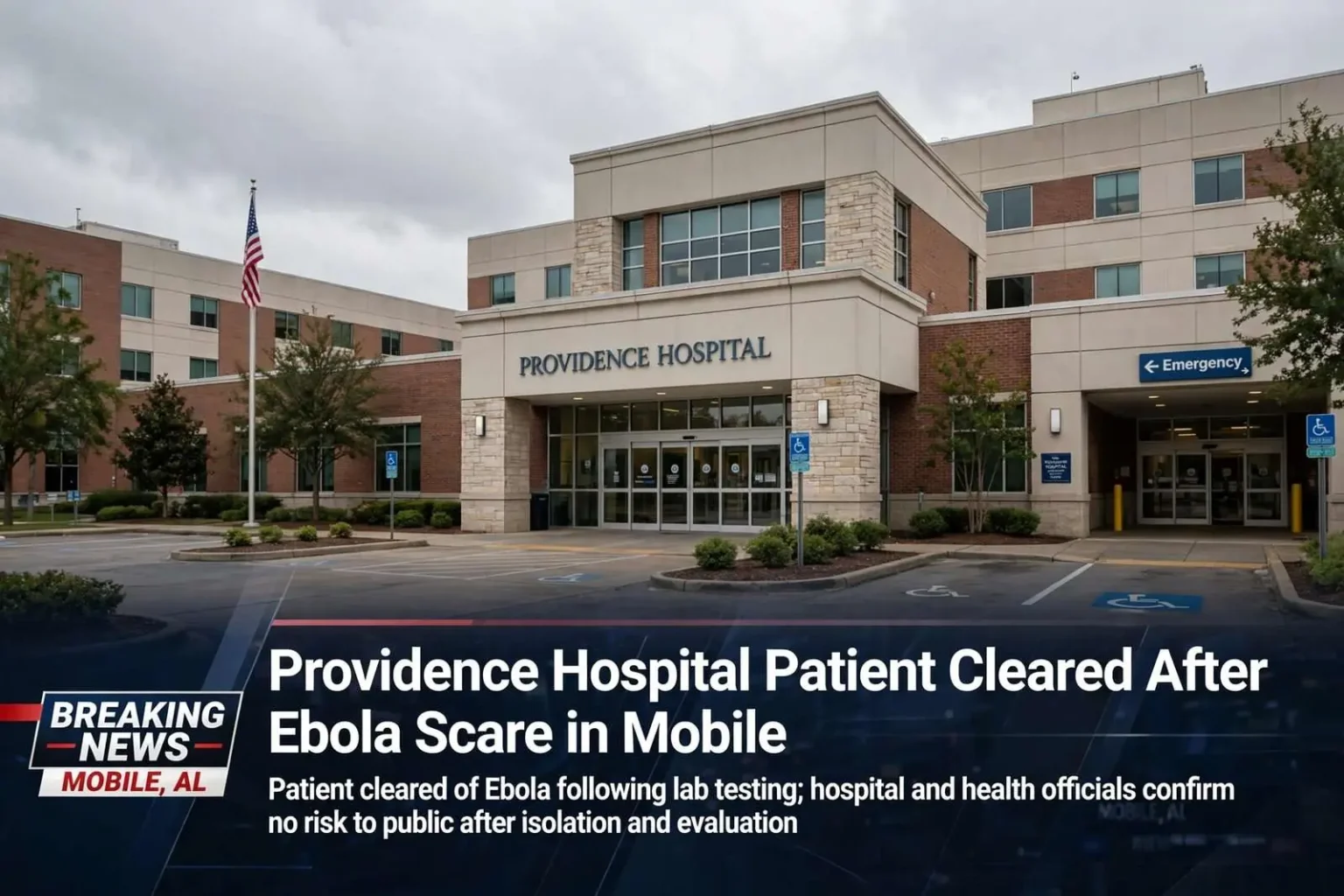
A patient who showed possible symptoms of Ebola at Providence Hospital in Mobile has been cleared of infection after preliminary laboratory testing, hospital officials said.
Michael King, director of planning and marketing for the Providence Health System, said the patient was placed in strict isolation on a recent Friday afternoon while medical staff gathered a health history and ran laboratory tests. Citing patient privacy regulations, King declined to disclose further details about the individual or the specific circumstances that led hospital staff to suspect Ebola in the first place.
“Based on all the initial results and the patient’s history, [the Alabama Department of Public Health] has concluded that the patient is not at risk of Ebola infection,” King said, relaying the health department’s assessment following the testing.
Earlier the same afternoon, hospital officials had issued a public statement acknowledging the situation and stressing that any risk to the public was low. The statement said the hospital had activated its infection control protocols out of an abundance of caution while the testing was underway, a standard response designed to protect staff, other patients and visitors regardless of how likely the diagnosis ultimately proved to be.
King said the Centers for Disease Control and Prevention worked alongside the Alabama Department of Public Health to help guide Providence Hospital’s medical team through the testing and evaluation process. He praised the hospital’s staff for how they handled the situation.
“We are extremely pleased with the performance of our medical team and associates, who handled this situation with professionalism and compassion,” King said.
The scare came about a month after a separate patient arrived at the University of South Alabama Medical Center in Mobile showing symptoms consistent with Ebola. Health officials determined that patient also did not have the virus, following a similar round of testing and isolation protocols.
Ebola in the United States in 2014
The first case of Ebola diagnosed in the United States was confirmed on Sept. 30, 2014, in Thomas Eric Duncan, a Liberian man visiting Dallas, who died on Oct. 8. Two nurses who treated him, Nina Pham and Amber Vinson, were infected, and Dr. Craig Spencer, who had worked with Doctors Without Borders in Guinea, was diagnosed in New York in October. Hundreds of people were tested or monitored, but no one who contracted the virus in the U.S. died of it.
Ebola spreads through direct contact with the blood or other bodily fluids of a person who is sick with the disease, and symptoms can appear anywhere from 2 to 21 days after exposure. That is why hospitals evaluating a possible case rely on a patient’s travel and exposure history, together with lab testing, to judge the risk.