Four Enterovirus-D68 Cases Confirmed in Mobile County
Alabama health officials confirmed four Mobile County cases of Enterovirus-D68 as the respiratory illness spreads among children nationwide.
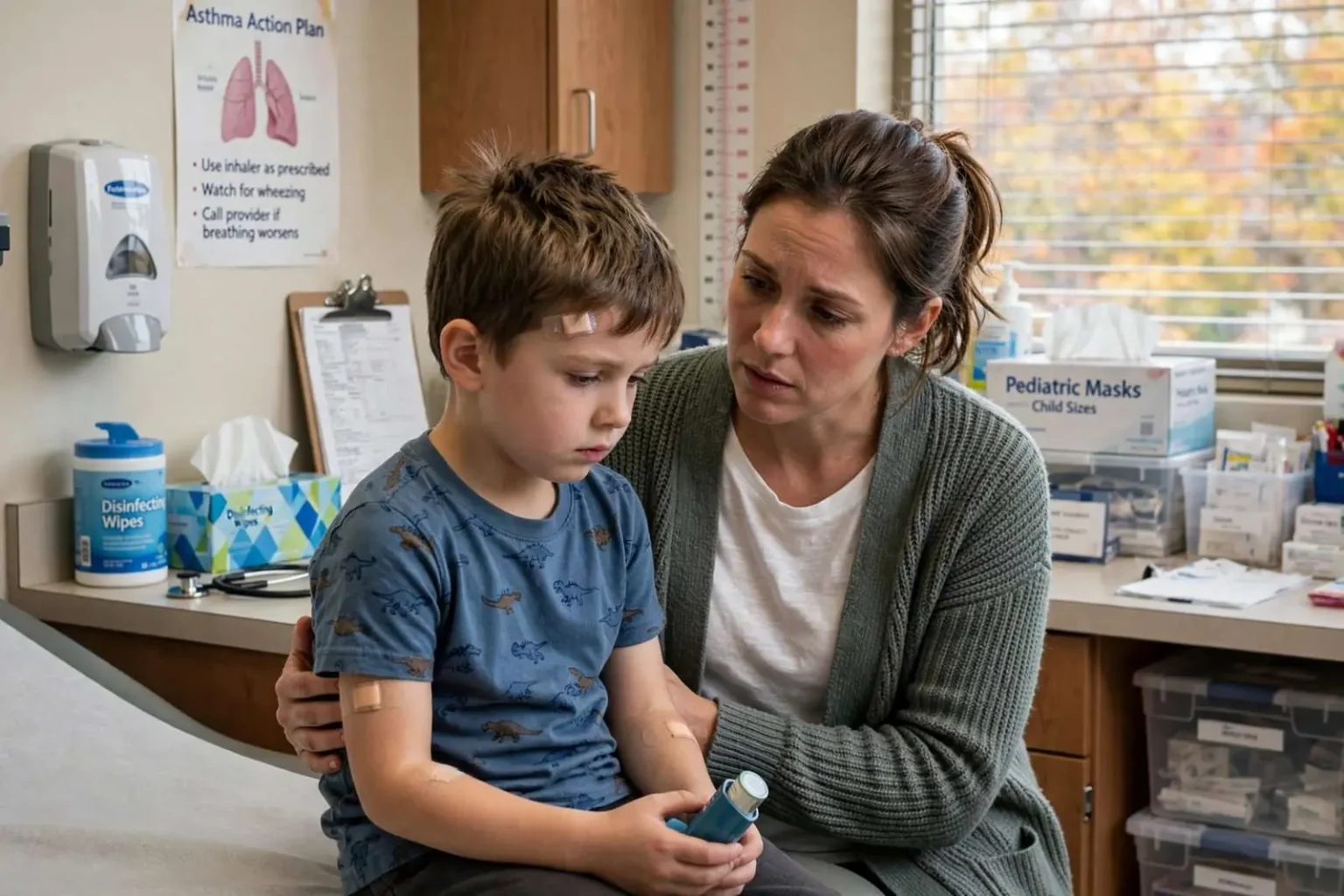
State health officials have confirmed four cases of a respiratory virus that has been sweeping through communities nationwide in Mobile County, part of a growing count of cases across Alabama as the illness continues to circulate among children this fall. The confirmation puts a name to the wave of wheezing children that pediatric offices and emergency rooms along the Gulf Coast have been treating for weeks.
The Alabama Department of Public Health said four of six specimens collected from patients in Mobile County and sent to the Centers for Disease Control and Prevention for testing came back positive for Enterovirus-D68. The testing ratio — most samples sent for confirmation coming back positive — suggests the county’s confirmed cases represent only a fraction of the actual infections, since most children with mild symptoms are never tested at all.
The virus has sickened thousands of children across the country in recent weeks, prompting hospitals and pediatric offices to watch closely for signs of severe respiratory distress. Outbreaks of this scale are unusual for a pathogen most Americans had never heard of before this fall, and health departments nationwide have scrambled to track the surge as children returned to classrooms and began trading germs.
From cold symptoms to the emergency room
Enterovirus-D68 typically begins like an ordinary cold, with a runny nose, cough, and mild fever, but it can progress quickly into something more serious, especially in children who already have breathing conditions such as asthma. Health officials say the virus can cause pronounced wheezing and labored breathing that sends families to the emergency room. Pediatricians in the region have emphasized that parents of asthmatic children should keep rescue inhalers close at hand and up to date during the outbreak.
Nationally, more than 1,000 children have been hospitalized during the outbreak, with some cases described as serious, although no deaths had been reported as of the state health department’s update. Hospital intensive care units in the Midwest, where the outbreak first concentrated, have treated children whose breathing deteriorated within hours of the first cold-like symptoms, a speed that has caught many families off guard.
Enteroviruses in general are common during the fall months, with the CDC estimating that 10 million to 15 million people are infected with some strain each year. Most infections cause nothing worse than a summer cold, and many produce no symptoms at all. What has set EV-D68 apart is the severity of the respiratory symptoms it can trigger in certain children.
Alabama health officials said they had been investigating reports of clusters of severe respiratory illness among children in both Mobile and north Alabama in the weeks leading up to the confirmed cases, monitoring closely as the virus made its way through the Southeast. Specimens from hospitalized children were prioritized for CDC testing, which is how the Mobile County confirmations came about.
No vaccine, so prevention is basic hygiene
There is no vaccine for Enterovirus-D68, which means prevention comes down to the same basic hygiene steps recommended for cold and flu season. The health department is urging Mobile County parents to remind children to wash their hands frequently and to cover their mouths when coughing, both at school and at home. Because the virus spreads through respiratory droplets and contaminated surfaces, the routine habits of school-age children — shared desks, shared toys, unwashed hands — are precisely how it moves through a community.
Health officials also recommend keeping sick children home from school until symptoms improve, disinfecting commonly touched surfaces, and avoiding close contact between infants and anyone with cold symptoms. Infants and children with asthma face the highest risks from EV-D68, and families with asthmatic children are being urged to review their asthma action plans with their doctors during the outbreak.
Parents are also being urged to seek medical attention promptly if a child or any family member develops symptoms of severe respiratory illness, including difficulty breathing, wheezing, or a fever that will not break, rather than waiting to see if symptoms resolve on their own. Doctors stress the warning signs that separate a manageable cold from an emergency: rapid or labored breathing, skin pulling in around the ribs with each breath, bluish lips, and a child who seems too exhausted to drink or speak normally.
What Mobile County parents should know
With the school year in full swing and cases already confirmed locally, Mobile County families are being asked to stay alert through the fall months as the virus continues to spread. Schools across the county have been reminded that handwashing stations and sanitizer supplies matter during respiratory outbreaks, and school nurses have been briefed on the symptoms that warrant a call home to parents.
The county health department’s communication strategy mirrors the approach used in other outbreak states: emphasize that most children will experience nothing worse than a bad cold, while making sure parents of vulnerable children understand when to escalate. Pediatric emergency departments in Mobile have reported busy stretches during the outbreak, and officials say advance planning — knowing which after-hours clinic to call, keeping inhaler prescriptions filled — eases the strain on families and hospitals alike.
Fall typically brings a parade of respiratory viruses to the Gulf Coast, from common colds to early influenza, and EV-D68 has joined the lineup. Health officials say there is no indication the current outbreak requires school closures or event cancellations, but they continue to track hospitalizations and new suspect cases through the state laboratory system. Updated counts are released by the Alabama Department of Public Health as confirmations arrive from the CDC, and parents with questions are encouraged to contact their pediatrician or the county health department rather than relying on social media for guidance.
For now, the four confirmed Mobile County cases stand as the official count in a virus that almost certainly extends well beyond them. The message from state and county health officials is consistent: don’t panic, do wash hands, and do act quickly if a child’s breathing becomes labored. Those simple steps, repeated across thousands of households this fall, are the community’s best available defense until the outbreak runs its course.
Laboratory confirmation of enterovirus cases works differently from many other disease tests, which is why official counts lag reality. Doctors treating a wheezing child rarely test for the specific virus causing the illness, because the care is the same either way. Specimens get sent to the CDC only when a hospital or health department flags a severe or unusual case, so the four confirmed Mobile County cases represent the tip of an iceberg of milder infections passing through the community unnoticed.
Why this outbreak caught attention
EV-D68 was first identified in the 1960s but has remained rare relative to other enteroviruses, appearing in small clusters rather than large national waves. The current outbreak’s scale and severity — hospitals in affected states reporting their pediatric respiratory wards at capacity — is what transformed a little-known pathogen into a nationwide public health story. The CDC has been working with state health departments to sequence viral samples and understand whether the circulating strain has changed in ways that make it more dangerous to children’s airways.
Children with asthma have featured prominently in the severe cases reported nationally, and health officials have issued specific guidance for those families during the outbreak: ensure controller medications are being taken as prescribed, keep rescue inhalers accessible at school and home, and treat any increase in wheezing during the outbreak as a reason to contact a doctor early rather than wait. Children with other chronic respiratory conditions, and infants too young to describe their symptoms, also warrant closer watching.
The distinction between a common cold and a developing emergency can be subtle in its early hours, which is why pediatricians emphasize monitoring rather than guessing. A child whose breathing is fast but comfortable, who drinks fluids and speaks in full sentences, can typically be managed at home with rest and fluids. A child working hard to breathe — ribs pulling in, nostrils flaring, pausing mid-sentence for breath, or becoming drowsy and uninterested in drinking — needs medical evaluation the same day.
Mobile County’s confirmed cases come as schools throughout Alabama have been in session long enough for seasonal viruses to establish themselves. Health department officials note that the same measures that slow EV-D68 also slow flu and other fall illnesses, making this a useful season for families to build habits that will carry through the winter: handwashing after school, covering coughs, staying home when sick, and keeping up with routine vaccinations, including the flu shot, which will not prevent EV-D68 but addresses the other major respiratory threat of the season.
Health officials will continue updating the case count as additional specimens are tested, and pediatric practices across the county remain on alert for the cluster of symptoms — sudden wheezing in children with colds — that defines this outbreak. Until it passes, the simple precautions remain the community’s main line of defense.