

EVERGREEN, Ala. — A 24-year-old Red Level man was killed late Saturday night when the SUV he was driving left a rural Conecuh County road, struck several trees and overturned, according to the Alabama Law Enforcement Agency.
State troopers identified the driver as Will E. Foshee. ALEA said the single-vehicle crash happened at approximately 10:21 p.m. Saturday, Sept. 26, 2026, on Conecuh County 42 near Pate Camp Road, about 26 miles southeast of Evergreen.
Foshee was driving a 2021 Honda CR-V when the vehicle left the roadway. Troopers said he was not wearing a seat belt at the time of the crash, and he was pronounced dead at the scene. No other vehicles or people were reported to be involved.
Troopers with ALEA’s Highway Patrol Division are continuing to investigate, and the agency said no further information was available.
What we know
- Victim: Will E. Foshee, 24, of Red Level
- Time: Approximately 10:21 p.m., Saturday, Sept. 26, 2026
- Location: Conecuh County 42 near Pate Camp Road, about 26 miles southeast of Evergreen
- Vehicle: 2021 Honda CR-V
- What happened: The SUV left the roadway, struck several trees and overturned
- Seat belt: Troopers said the driver was not using one
- Investigating agency: ALEA Highway Patrol Division
A rural stretch between two counties
The crash happened in the southeastern part of Conecuh County, a largely rural area of pine forests, farmland and two-lane county roads. Red Level, where Foshee lived, is a small town just across the county line in neighboring Covington County. County roads in that part of South Alabama often connect small communities to one another and to larger highways, and many residents rely on them for daily travel to work, school and family.
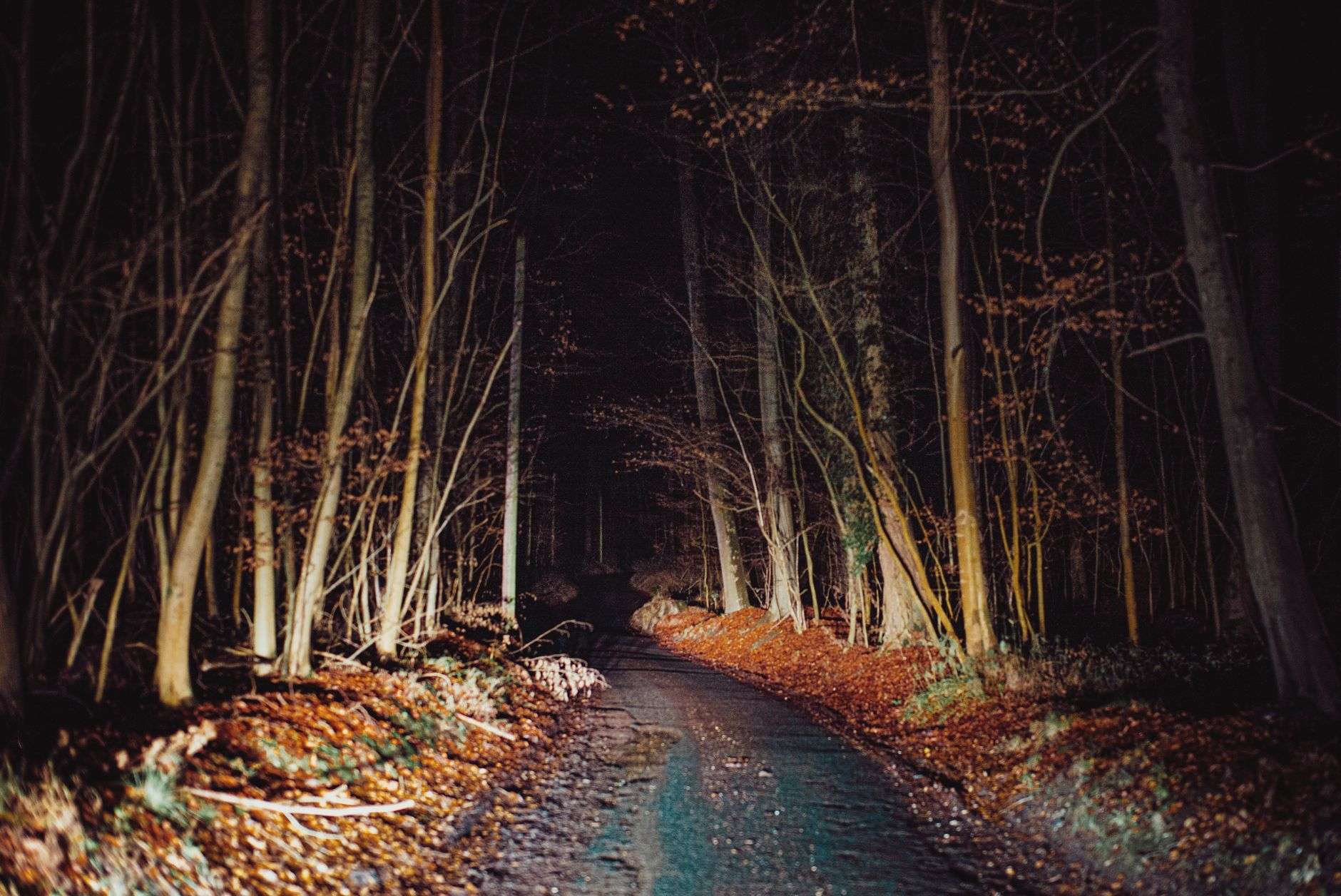
Those roads can present challenges, especially at night. Many rural routes have limited or no street lighting, narrow or unpaved shoulders, and trees growing close to the edge of the pavement. When a vehicle leaves the road in those conditions, there is often very little room for a driver to recover before striking a fixed object such as a tree, culvert or embankment.
ALEA did not say what caused the Honda to leave the roadway. Investigators in single-vehicle crashes generally look at a range of possible factors, including speed, road and weather conditions, visibility, distraction, fatigue, impairment and mechanical problems. The agency has not indicated that any of those factors played a role in Saturday’s crash, and troopers are still working to determine exactly what happened.
The role of ALEA’s Highway Patrol
The Alabama Law Enforcement Agency’s Highway Patrol Division is responsible for investigating traffic crashes on state and county roads outside city limits across Alabama. Troopers respond to crash scenes, document evidence, reconstruct serious and fatal crashes when needed, and release information to the public once families have been notified.
In fatal crashes, those investigations can take weeks. Troopers may examine the vehicle, measure tire marks and the path the vehicle took, and review the position of the vehicle and any objects it struck. The findings are included in an official crash report, and in some cases specialized reconstruction teams become involved.
Seat belts and survival
ALEA noted in its report that Foshee was not using a seat belt. Troopers routinely include that detail in fatal crash reports because seat belt use is one of the most important factors in whether people survive serious crashes, particularly rollovers.
According to the National Highway Traffic Safety Administration, wearing a lap and shoulder belt reduces the risk of fatal injury to front-seat passenger car occupants by about 45 percent, and the reduction is even greater for occupants of SUVs, pickups and vans. In rollover crashes, unbelted occupants are far more likely to be thrown from the vehicle or thrown around inside it, which dramatically increases the chance of fatal injuries.
Alabama law requires front-seat occupants of passenger vehicles to wear seat belts, and officers can stop drivers for not wearing one. Children must be properly restrained in child safety seats or belts according to their age and size. Law enforcement agencies across the state, including ALEA, regularly participate in “Click It or Ticket” enforcement campaigns, particularly around holidays.
ALEA’s reminders about seat belts are not meant to assign blame to crash victims or their families. Troopers and highway safety advocates say they share the information because they hope it will encourage other drivers and passengers to buckle up on every trip, no matter how short.
Rural roads and traffic deaths
Nationally, a disproportionate share of traffic deaths happen on rural roads compared with the share of people who live in rural areas. Federal highway safety data has long shown that rural crashes tend to be more severe, in part because of higher speeds, roadside hazards and the longer time it can take for emergency responders to reach a crash scene and transport injured people to a hospital.
That pattern holds true in South Alabama, where many communities are separated by long stretches of two-lane road. Families in Conecuh, Covington, Escambia, Monroe and surrounding counties are no strangers to the heartbreak of fatal crashes on rural highways and county roads.
Just weeks ago, Conecuh County mourned another young life lost on the road when 18-year-old Ke’Maurion Porter was killed on Interstate 65, a loss that led Hillcrest High School to close for a day as students and staff grieved.
Safety tips for driving rural roads at night
State troopers and highway safety organizations offer several reminders for drivers who travel rural roads, especially after dark:
- Buckle up every time. Make sure everyone in the vehicle is properly restrained before the vehicle moves.
- Slow down. Posted speed limits reflect ideal conditions. Curves, hills, fog and darkness call for lower speeds.
- Use your high beams when appropriate. Switch to high beams on dark roads when there is no oncoming traffic, and dim them for approaching vehicles.
- Watch for wildlife. Deer are common on South Alabama roads, especially at dawn and dusk, and swerving to avoid them can cause a driver to leave the roadway.
- Stay alert. Put away phones, avoid driving when drowsy, and never drive impaired.
- If you drift off the road, don’t overcorrect. Ease off the gas, keep a firm grip on the wheel, and steer gently back onto the pavement once it is safe to do so.
A community in mourning
Foshee’s death leaves a family and a small community grieving a young man lost far too soon. In towns like Red Level, where many families have deep roots and neighbors know one another well, a loss like this is felt widely. Churches, schools and community groups often come together in the days after a tragedy to support the family.
ALEA has not released any additional details about Foshee. Any arrangements will be announced by his family and the funeral home handling services.
What comes next
Troopers with ALEA’s Highway Patrol Division will continue their investigation into the crash. The agency typically does not release additional findings until its investigation is complete, and it said Sunday that nothing further was available.
Anyone who may have witnessed the crash or traveled Conecuh County 42 near Pate Camp Road late Saturday night and has information that could help investigators is encouraged to contact ALEA.
Our thoughts are with Will Foshee’s family and friends. This story will be updated if additional information is released.