

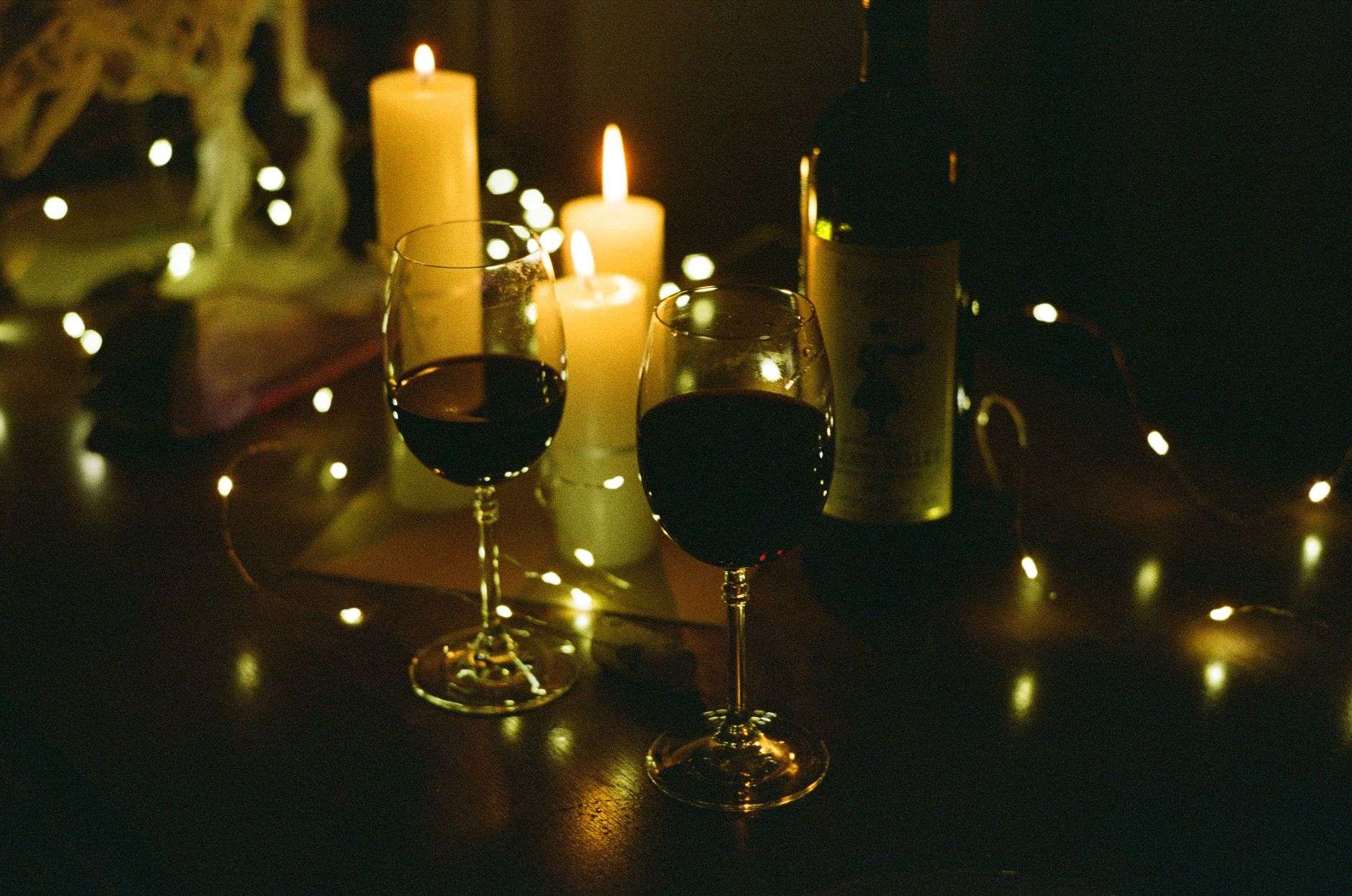
On the evening of Thursday, May 30, 2024, about 75 guests sat down at Crown Hall in Mobile for a South Meets South wine dinner that paired South African wines and cooking traditions with the flavors of the Gulf Coast. Billed as the first of a planned Sip into Summer wine dinner series, the event was built around a simple idea: put a handful of small, independent coastal businesses in one room and let each of them do what they do best.
By the organizers’ account, it worked. As one guest was leaving, he summed up the night in four words: “This was an A-Plus evening!” The dinner was less about any single star than about the collaboration behind it, which brought together a florist from Andalusia, a Fairhope bourbon maker, a Fort Morgan oyster farm, a New Orleans wine importer, a Summerdale wine distributor and one of Mobile’s longest-running catering companies.
Why South Africa and the Gulf Coast Make Sense Together
The pairing of South Africa and the American South is not as unlikely as it may sound. Both regions have deep traditions of outdoor cooking, generous hospitality and food shaped by many cultures meeting in port cities. In South Africa, the braai, or open-fire grill gathering, is close to a national pastime, and slow-cooked dishes prepared in cast-iron pots over coals are a staple of family meals. Along the Gulf Coast, the oyster roast, the backyard grill and the crawfish or shrimp boil fill a similar role.
South Africa also has one of the oldest wine industries outside Europe. Winemaking at the Cape dates to the 17th century, and today the Western Cape’s wine regions, including well-known districts such as Stellenbosch, Paarl and Franschhoek, produce everything from crisp Chenin Blanc, the country’s most widely planted white grape, to Pinotage, a red variety developed in South Africa in the 1920s. Even so, South African wines have historically been less familiar to American shoppers than bottles from France, Italy or California, which is part of what makes a themed dinner like this one an introduction as much as a meal.
Suzaan Laing, founder of New Orleans-based South to South Wine Importers, put the connection this way: “Culturally and culinarily, there are many similarities between South Africa and the Southern Gulf Coast- from open-hearted hospitality to the food on our tables. As a wine importer, the focus of South to South Wines is to bring the best of South Africa from Cape Town directly to the tables in the South.”
The Wine Behind the Dinner
Laing’s presence helped set the tone for the evening. She shared her knowledge of South African wines and the stories behind the bottles being poured, turning the dinner into a guided tasting as well as a social occasion. Her company grew out of her affection for both New Orleans and Cape Town and her desire to introduce South African wine to drinkers in the southern United States. Organizers said she enjoyed her visit and planned to return later that year to celebrate a milestone birthday.
Getting those wines onto Alabama tables required a second partner. ABM Wines, an Alabama-based distributor located in Summerdale, works closely with South to South to place fine South African wines with upscale Alabama establishments. The company is a venture of Seth Hargett and partner Ree Segars.
Hargett brings a chef’s perspective to the wine business. Before turning to distribution, he cooked at well-regarded restaurants including the European Cafe in Boulder, Colorado, and, in New Orleans, Mr. B’s and Emeril’s, and he was later recruited to the Grand Hotel in Point Clear as chef de cuisine. That kitchen background matters in a business where the goal is not just selling bottles but helping chefs and restaurant owners find wines that suit their menus.
Alabama’s three-tier alcohol system, in which producers or importers sell to licensed wholesalers who in turn sell to retailers and restaurants, is one reason a partnership like the one between an importer and a distributor is necessary. For a small importer specializing in one country’s wines, a distributor that knows the state’s restaurants can be the difference between a label that sits in a warehouse and one that shows up on local wine lists.
A Bourbon Born After Hurricane Sally
Guests were greeted with a cocktail from Judge Roy Bean Spirits of Fairhope. Founder David Gibson’s Scenic 98 Old Fashioned, served with molasses, cayenne and rosemary bacon skewers, opened the evening.
The bourbon itself has a storm story behind it. In the aftermath of Hurricane Sally, which struck the Alabama and Northwest Florida coast in September 2020 and brought down trees across Baldwin County, Gibson came up with the idea of finishing small-batch bourbon using charred and toasted pecan staves. The result is a bourbon with a smooth, slightly smoky flavor designed to celebrate the spirit and flavors of the Gulf Coast. At the time of the dinner, Gibson was selling his fourth small-batch production.
Finishing is a common technique in the spirits world. After a whiskey has aged, producers sometimes expose it to a different type of wood for an additional period to add layers of flavor. Using pecan, a tree closely associated with the Deep South and with Baldwin County’s agricultural history, gives the product a distinctly regional identity. The cocktail’s name is a nod to Scenic Highway 98, the winding road that follows the bluffs of Mobile Bay’s Eastern Shore through Daphne, Montrose and Fairhope.
Oysters From the Mouth of Mobile Bay
No Gulf Coast dinner would be complete without oysters, and this one featured oysters from Admiral Shellfish Company, which farms on the western shore of Fort Morgan where Mobile Bay meets the Gulf. Because the oysters grow with a large expanse of open water around them, they are naturally tumbled by the waves, which produces a uniform size, a meaty oyster and a deep cup. The location also gives them a salty finish that is less common in local farm-raised oysters.
Oyster farming, often called off-bottom aquaculture, has become an important part of Alabama’s coastal economy over the past decade and a half. Rather than harvesting from wild reefs, farmers raise oysters in cages, bags or baskets suspended in the water column, which protects them from some predators and allows growers to manage their size and shape. The approach has helped supply restaurants with consistent, high-quality half-shell oysters and has created a new generation of small coastal businesses.
For the dinner, the catering team grilled the Admiral Shellfish oysters with flavors drawn from Africa to create Fire-Grilled Dukkah Oysters. Dukkah is a blend of toasted nuts, seeds and spices with roots in Egyptian cooking that has become popular in kitchens around the world, including in South Africa. Organizers encouraged guests who wanted to learn more to call the company about a farm tour.
Crown Hall and Bay Gourmet Catering
The host kitchen for the night belonged to Bay Gourmet Catering, led by Sarah Clark and Jayme Richburg, whose Crown Hall event space provided the setting. When approached about the South Meets South theme, Clark said yes without hesitation.
“We love doing different things and exploring menu options. It’s fun to do something different and showcase Crown Hall. We enjoy the exposure that wine pairing dinners afford us,” she said.
Established in 2001, Bay Gourmet Catering has built a reputation for professional, efficient and friendly event planning and service. The company emphasizes fresh, seasonal food with innovative presentation, and Clark and Richburg offer personalized menus and service for weddings, parties and corporate events. Serving a multi-course, wine-paired meal to 75 guests at the same time is a considerable logistical challenge, and organizers said the team handled it smoothly.
Themed wine dinners have become a popular format for caterers and restaurants in Mobile and Baldwin County. They give chefs a chance to step outside their usual menus, introduce guests to unfamiliar wines and cuisines, and show off a venue to people who might later book it for a wedding, rehearsal dinner or company party.
Florals as Functional Art
The table centerpieces came from Vine+Branch, the Andalusia-based business of Allie Nielsen, and were available for purchase during the evening. Nielsen describes her work as “luxury faux” floral design. Each piece is hand-crafted and made to order, and she works with clients personally to design arrangements suited to the style and vision of a particular home or space.
High-quality artificial florals have grown in popularity for homes and events because they last indefinitely, do not depend on the season and can be designed to complement a specific room. For an event like this one, they also doubled as a showcase for a small business from farther inland, extending the evening’s local-maker theme beyond the coast.
What Readers Should Know About the Series
The Crown Hall dinner was conceived as the first in a series of summer wine pairing dinners, with organizers saying the next event would head east along the coast. The broader aim was to highlight the small businesses, events and organizations in the area stretching from Mobile to Pensacola and to introduce diners to makers they might not otherwise discover.
- Date and venue: Thursday, May 30, 2024, at Crown Hall in Mobile
- Attendance: about 75 guests
- Theme: South African wines and cooking traditions paired with Gulf Coast ingredients
- Partners: Bay Gourmet Catering, South to South Wine Importers, ABM Wines, Judge Roy Bean Spirits, Admiral Shellfish Company and Vine+Branch
For readers interested in similar experiences, many of the same partners continue to appear at food and wine events along the coast. Anyone planning to attend a future wine dinner should check directly with the host restaurant, caterer or organizer for current dates, pricing and availability, since schedules and menus for these events change from season to season.
The organizers closed by thanking the guests and partners who made the evening possible. The larger takeaway was that a room full of small, independent businesses, working together around a shared theme, can produce an evening that feels bigger than any one of them could manage alone.
The Menu, Course by Course
Ahead of the dinner, organizers released the full South African-inspired menu that Bay Gourmet founder Sarah Clark and Chef Jayme Richburg designed to pair with the wines Suzaan Laing curated. The series had been promoted in advance as the Summer Splash Wine Dinner series, with four dinners planned over the summer, and the wines were supplied by Seth Hargett, described in the announcement as founder of Absintheminded Enterprises, and offered for purchase at the event.
- Welcome: An Old Scenic 98 signature cocktail from David Gibson and Judge Roy Bean Spirits, or a South African Pierre Jourdan Brut sparkling wine for guests who preferred not to drink bourbon, alongside Molasses and Rosemary Bacon Skewers and a grazing board of specialty meats and cheeses.
- Oysters: Fire Baked Dukkah Oysters with Herb Butter from Admiral Shellfish Company, paired with a Springfield Albarino.
- Okra: Cornmeal-dusted fried Okra Spears with Crawfish Gravy, served with a Nitida Semillon.
- Beef: Bone-in Ribeye Beef Braai, grilled in view of guests and served with a Stacked Mustard and Cheese Potato Bake, paired with a Stellenrust Pinotage.
- Dessert: Chocolate Fondant Potjie Pudding, cooked in a cast-iron Dutch oven directly on the coals and served with Old Dutch Vanilla Ice Cream, alongside a Jardin Long Fuse Cabernet Sauvignon.
The menu leaned on two South African cooking traditions: the braai, or open-fire grill, and the potjie, a three-legged cast-iron pot set over coals. Pinotage, the red served with the ribeye, is a grape developed in South Africa in the 1920s by crossing Pinot Noir and Cinsaut. Organizers said each course would be introduced with a short explanation of the dish and its wine.
Tickets were priced at $98 per person, with organizers hoping to draw 98 guests to each of the four dinners, and corporate table sponsorships were offered. Allie Nielsen of Vine+Branch was also on hand to show her luxury faux florals throughout the evening.