Alabama State Government Baldwin County
State Lawmakers Call for Review as Families of Disabled Children Lose Medicaid Waiver Services
Alabama lawmakers are pressing for review after disabled children lost Medicaid waiver benefits during redeterminations, some with altered physician forms.
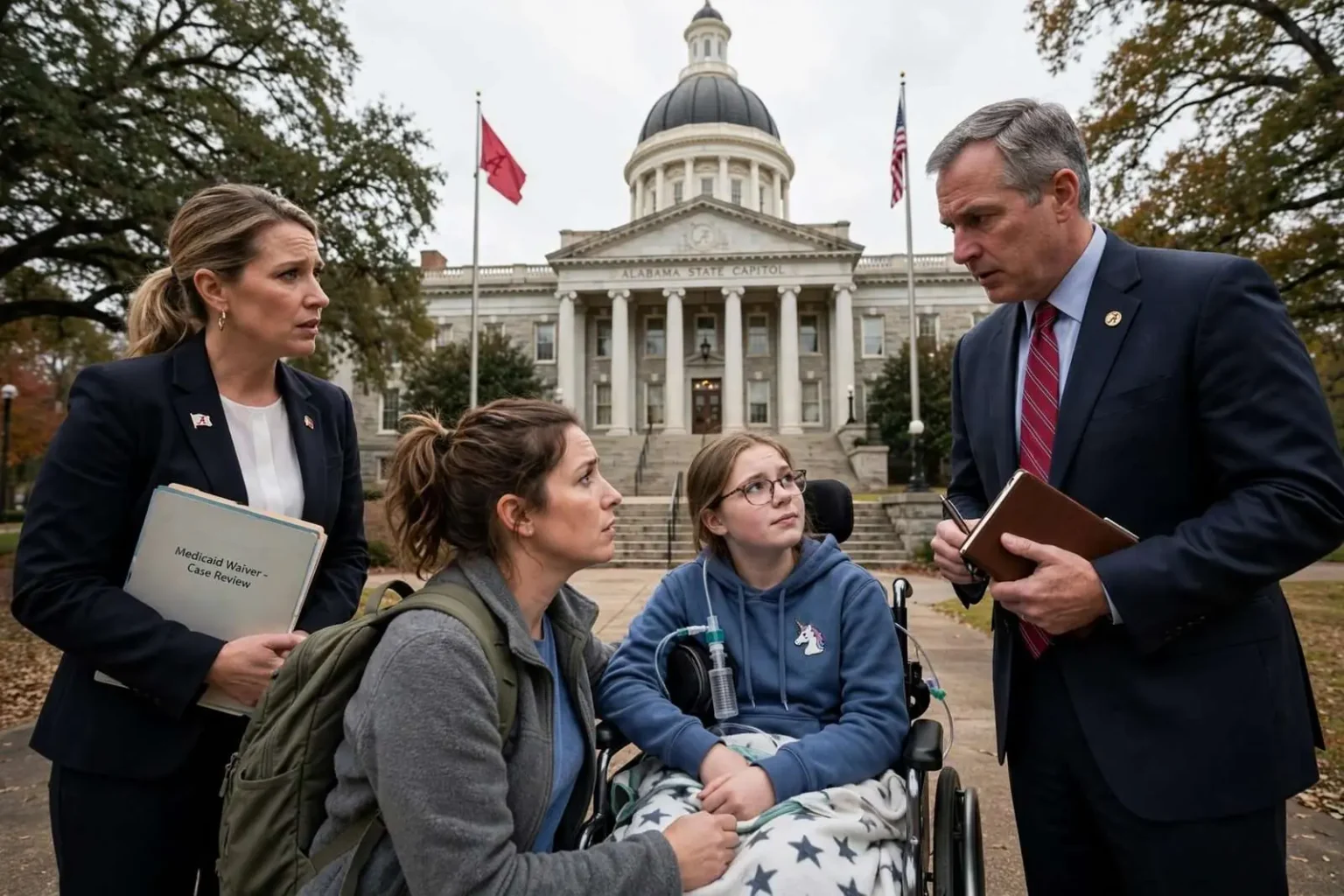
State lawmakers from both parties say complaints from families of disabled children who are losing Medicaid waiver services under stricter criteria deserve closer scrutiny — and at least one senior lawmaker is asking whether the state’s own eligibility process is working as intended.
The scrutiny follows reporting that children with significant disabilities are increasingly being denied benefits during annual redeterminations for Alabama’s elderly and disabled waiver program, sometimes after years of eligibility and with little or no explanation of what has changed.
Sen. Chris Elliott, R-Josephine, said he has spoken with Medicaid officials directly about the issue after learning that one of the affected families included Jason Fisher and his daughter Mackenzie, 16, whom Elliott said he knew from the campaign trail. Elliott and Fisher ran against each other in the 2018 election for Alabama Senate District 32, which covers much of Baldwin County.
Elliott said if you don’t think you can make friends on the trail, that’s proof you can.
What lawmakers are hearing
Elliott serves on the Senate Finance and Taxation General Fund Committee, which helps write the state budget, including the state appropriation for Medicaid. He said his understanding is that state agencies have increased scrutiny under pressure to ensure people receiving public benefits are actually eligible — a push he said appears consistent with a broader national effort to reduce waste, fraud and abuse in public assistance programs.
Elliott said state agencies are tightening up criteria and oversight, but they are not getting everyone right, and these many stories likely show that.
He said he has been assured there is no mandate to reduce the waiver program for budgetary reasons, noting that most Medicaid funding comes from pass-through federal dollars. The stated goal, as explained to him, is to make sure people on the program would withstand an audit.
Still, he said the state should examine whether the criteria are being applied correctly.
Elliott said we may need to look at the criteria and whether we are doing it correctly, and whether we need to look at how we are classifying it. She said these are all reasonable questions and what she is asking: whether the end result is achieving the goal, and that we need to constantly review what the goal is and why we are doing things the way we are.
Elliott said he has also been assured that Medicaid has a well-defined appeals process and that families are using it. He encouraged affected families to keep doing so.
Elliott said she would tell families she is sorry they are going through this and they have enough on their plate. She said there are chances to have someone else review their case through the appeals process, and they absolutely should avail themselves of those pathways.
The program and what’s changing
The elderly and disabled waiver is a home- and community-based Medicaid program administered by the Alabama Department of Senior Services in coordination with the Alabama Medicaid Agency. It is intended for people who meet medical criteria and are at risk of nursing home placement, allowing medically fragile or disabled people to receive support at home rather than in an institution.
Multiple families have said in recent weeks that children who had qualified for years were denied during redetermination. Some said the state appeared to be interpreting nursing home level of care criteria more strictly, particularly for children. Two families claimed case managers edited their applications and physicians’ assessment sheets without authorization, which caused them to fall below the required criteria.
In a previous joint statement, the Alabama Medicaid Agency and the Alabama Department of Senior Services denied that waiver removals were tied to any effort to reduce enrollment or meet savings goals.
House Health Committee weighing in
Rep. Frances Holk-Jones, R-Foley, a member of the House Health Committee, said she has spoken with parents, family members and concerned citizens about the denials.
She said it is certainly concerning when the youngest and most vulnerable constituents and their families face significant stress. She said it is their duty to protect all Alabamians, and the most medically fragile children deserve consistent and capable care. She said she is certainly willing to assist in working through these concerns to find a solution.
Rep. Mark Shirey, R-Mobile, the committee’s vice chair, said he was not aware of the reported denials before they were brought to his attention, but took the complaints seriously.
Shirey said any report that eligible individuals may be losing Medicaid coverage deserves to be taken seriously. An optometrist by trade, he said his understanding is that Alabama Medicaid has not changed its eligibility standards, but there are circumstances that must be addressed.
Shirey said he has seen reports that physician forms may have been altered without the physician’s knowledge — and that if that happened, it is unacceptable.
He said if that occurred, it is unacceptable and should never happen. He added the committee’s role is to determine whether the complaints are isolated or part of a larger issue, and if the facts warrant legislative oversight or action, they will certainly consider it.
Advocates push for transparency
Jennifer Harris, senior health policy advocate for Alabama Arise and a voting member of the Medicaid Advisory Committee, said her organization is aware of the cases of lost benefits.
Harris said they have heard from families with children with complex medical needs unexpectedly losing services and receiving denial letters with little to no explanation, adding the complaints raise concerns about whether families are receiving enough notice and guidance.
She said Medicaid was designed to protect medically vulnerable individuals, especially children. She said it is a travesty when proposed changes to eligibility requirements are not shared before implementation, and caregivers should have adequate time to address concerns with Alabama Medicaid before coverage is terminated.
Written guidance from Medicaid would improve transparency and help families understand the appeals process, she said.
The Medicaid Advisory Committee serves in an advisory role to the Alabama Medicaid Agency on health and medical services. Most of its members either did not acknowledge requests for comment or declined to address them. Louise Jones of the Alabama Pharmacy Association declined comment, as did Dr. Christine Rembert, director of the Alabama Department of Mental Health.
Dr. Scott Harris, the state health officer with the Alabama Department of Public Health, deferred questions to the state Medicaid agency, saying the committee serves in an advisory role and is not involved in individual eligibility decisions or appeals. He said he was not in a position to comment on specific cases or allegations regarding Medicaid’s redetermination process.
What families can do now
Families facing a waiver denial have the right to appeal and request a fair hearing, and advocates urge them to file within the deadline stated in their denial letter, request a written explanation of the decision, and ask their physician to submit documentation directly. Legislators in both chambers said their offices can assist constituents in navigating the appeals process in the meantime.
Related coverage from South AL News
- More Alabama Families Come Forward With Altered-Paperwork Claims in Medicaid Waiver Denials
- Baldwin County Families Say Alabama Medicaid Altered Forms to Deny Disabled Children's Benefits
- Agency Reviewing Allegations of Altered Paperwork Behind Medicaid Disability Denials
- State Meeting Leaves ARC Baldwin Families With More Questions Than Answers