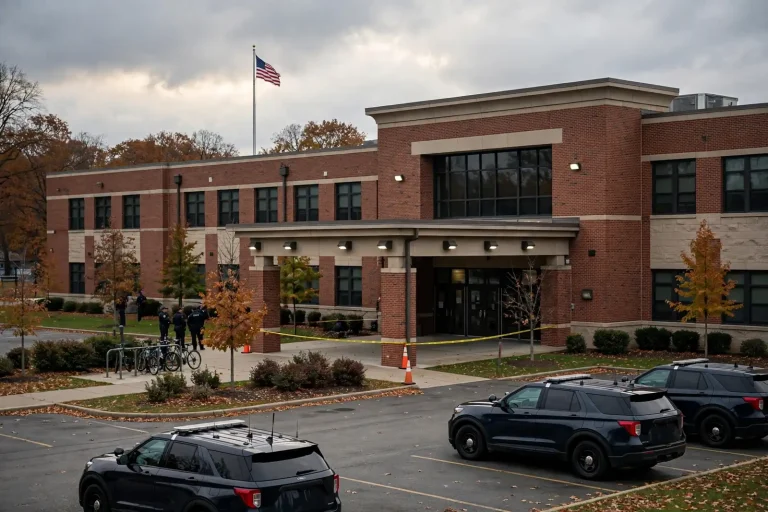
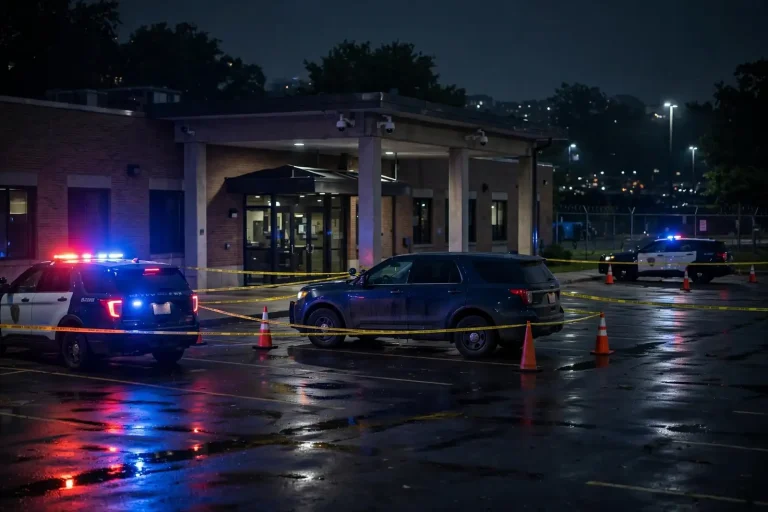
Stolen Vehicle Trafficking Ring Sends 3 to Federal Prison; Altered VINs Led to 10 Cars
Two Mobile men and an Atlanta man were sentenced to federal prison for a stolen vehicle trafficking conspiracy that moved cars to Mobile and was uncovered after a resident unknowingly bought one online.
MOBILE, Ala. — Two Mobile men and an Atlanta man have been sentenced to federal prison for their roles in a stolen vehicle trafficking conspiracy that moved stolen cars across state lines to Mobile, where at least one was unknowingly bought by a local resident through an online marketplace, according to the U.S. Attorney’s Office for the Southern District of Alabama.
Corey Dion Wallace, 33, of Mobile, was sentenced to 70 months in prison. Javonte Althonse Andrew Mitchell, 31, of Mobile, received 63 months. Jason Emeal Robinson, 48, of Atlanta, Georgia, was sentenced to 46 months. All three had pleaded guilty.
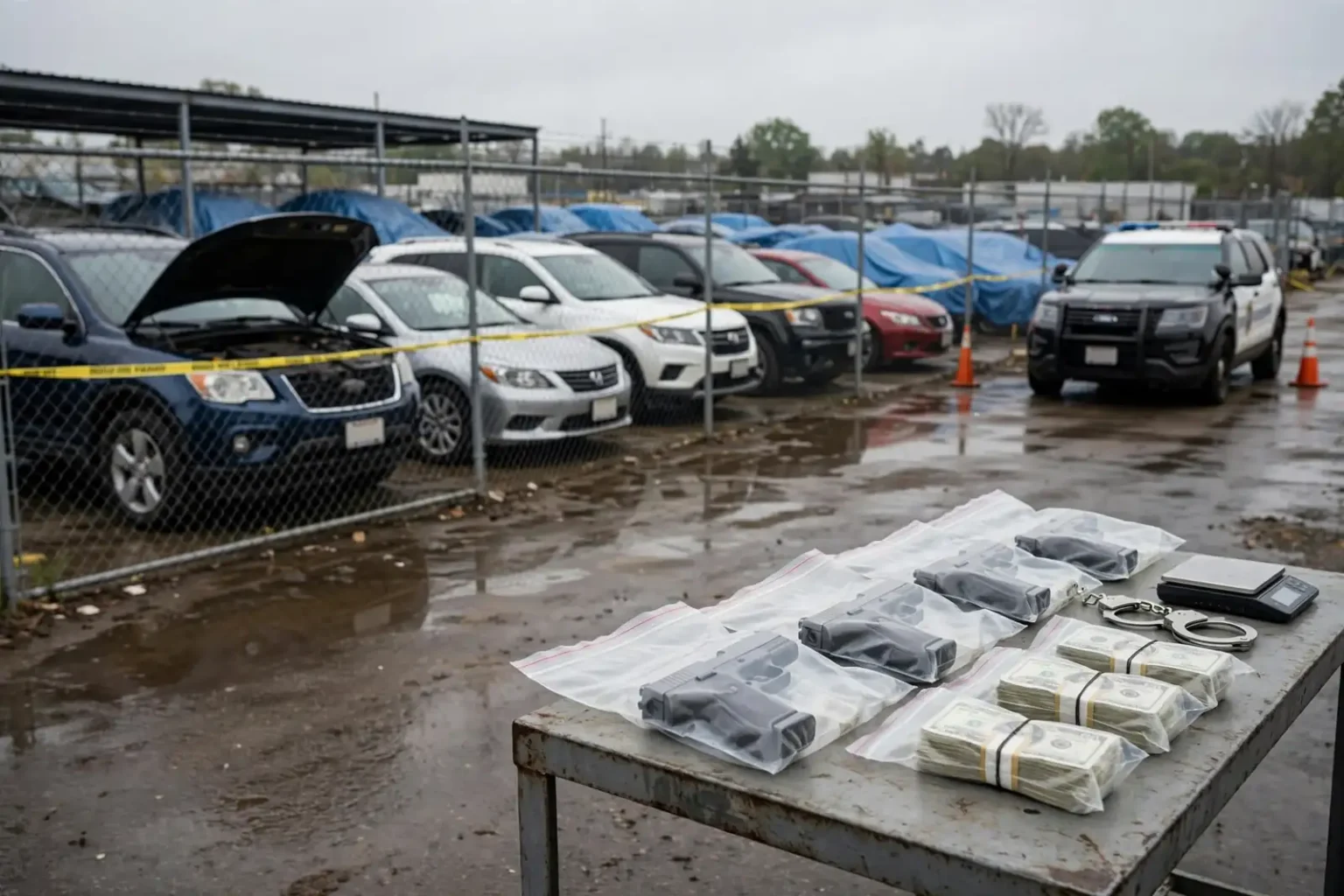
In addition to prison time, the three men were ordered to pay $308,054.88 in restitution to victims – the reported value of the stolen vehicles – and to forfeit six guns and $10,700 in seized cash to the United States.
A year-long scheme
Federal officials said the conspiracy ran from July 2023 to June 2024. During that time, the three men participated in a scheme to transport stolen vehicles across state lines and bring them to Mobile.
The operation began to come to light in September 2023, officials said, when a Mobile resident unknowingly bought a stolen vehicle from the group’s co-conspirators through an online marketplace.
From there, law enforcement was able to identify 10 stolen vehicles by tracing altered vehicle identification numbers, or VINs. The VIN is a unique 17-character code assigned to every modern vehicle, and altering or replacing it is a common way thieves try to disguise a stolen car so it can be titled, registered and resold.
Arrests and evidence
Wallace and Mitchell were arrested in Mobile in January 2024. According to officials, four stolen vehicles were in their possession at the time of their arrests, and those vehicles were associated with Wallace’s used car dealership.
Investigators said they also found additional stolen vehicles, an altered VIN, weapons and communication devices that linked the three men to the crimes.
Wallace and Mitchell also faced illegal gun possession charges. Both were prohibited from having firearms because of prior felony convictions.
The sentences
The sentences handed down in federal court break down as follows:
- Corey Dion Wallace, 33, of Mobile: 70 months in federal prison
- Javonte Althonse Andrew Mitchell, 31, of Mobile: 63 months in federal prison
- Jason Emeal Robinson, 48, of Atlanta: 46 months in federal prison
Each man will also serve three years of supervised release after leaving prison. Officials said the conditions include drug testing and limits on credit.
The financial penalties include:
- $308,054.88 in restitution to victims, reflecting the reported value of the stolen vehicles
- $700 in special assessments
- Forfeiture of six guns to the United States
- Forfeiture of $10,700 in seized cash
How federal sentencing works
Crimes that cross state lines can fall under federal jurisdiction, which is why this case was prosecuted in the U.S. District Court for the Southern District of Alabama rather than in state court. Federal law makes it a crime to transport a stolen motor vehicle in interstate commerce knowing it was stolen, to receive or sell such a vehicle, and to traffic in vehicles or parts whose identification numbers have been altered or removed. Conspiring with others to commit those crimes is a separate federal offense.
Federal judges determine sentences after reviewing a presentence report prepared by the U.S. Probation Office, which examines the defendant’s background and criminal history and calculates a recommended range under the U.S. Sentencing Guidelines. The judge considers that range along with other factors set out in federal law before imposing a sentence. Differences in a defendant’s role in an offense and prior record often account for different sentences among co-defendants in the same case.
There is no parole in the federal system. A person sentenced to federal prison generally serves most of the term, though inmates can earn limited credit for good conduct. Supervised release, which follows the prison term, works much like probation: the person lives in the community under the oversight of a federal probation officer and must follow court-ordered conditions. Violating those conditions can send the person back to prison.
Restitution orders are intended to compensate victims for their losses. Special assessments are mandatory fees imposed on each count of conviction in federal court and are paid into a fund that supports crime victim programs. Forfeiture allows the government to take ownership of property tied to a crime, such as cash proceeds or firearms.
How to avoid buying a stolen vehicle
The case began with an ordinary Mobile resident who bought a car online and had no idea it was stolen. Buyers who lose a stolen vehicle to its rightful owner can be left without the car and without their money. Consumer protection and law enforcement agencies generally recommend the following precautions when buying a used vehicle, especially from a private seller:
- Check the VIN. Run the VIN through the National Insurance Crime Bureau’s free VINCheck tool, which flags vehicles reported stolen and not recovered, and consider a vehicle history report from a provider approved under the National Motor Vehicle Title Information System.
- Match every VIN. Compare the VIN on the dashboard plate visible through the windshield with the one on the driver’s door jamb sticker and the title. They should all match exactly. Scratches, loose rivets or mismatched labels around the VIN plate are warning signs.
- Inspect the title. Make sure the seller’s name matches the name on the title and on their identification, and be wary of a seller who has no title, offers only a bill of sale or says the title is “on the way.”
- Be cautious of bargains. A price well below market value, pressure to close the deal quickly or a request for cash only can signal a problem.
- Meet in a safe place. Many police departments allow buyers and sellers to complete online transactions in a monitored parking lot or lobby.
Anyone who believes they may have purchased a stolen vehicle should contact local law enforcement.
About the U.S. Attorney’s Office
The U.S. Attorney’s Office for the Southern District of Alabama, based in Mobile, prosecutes federal crimes across a 13-county district in southwest Alabama, including Mobile and Baldwin counties. The office works with federal, state and local law enforcement agencies on cases ranging from violent crime and drug trafficking to fraud and property crimes that cross state lines.