

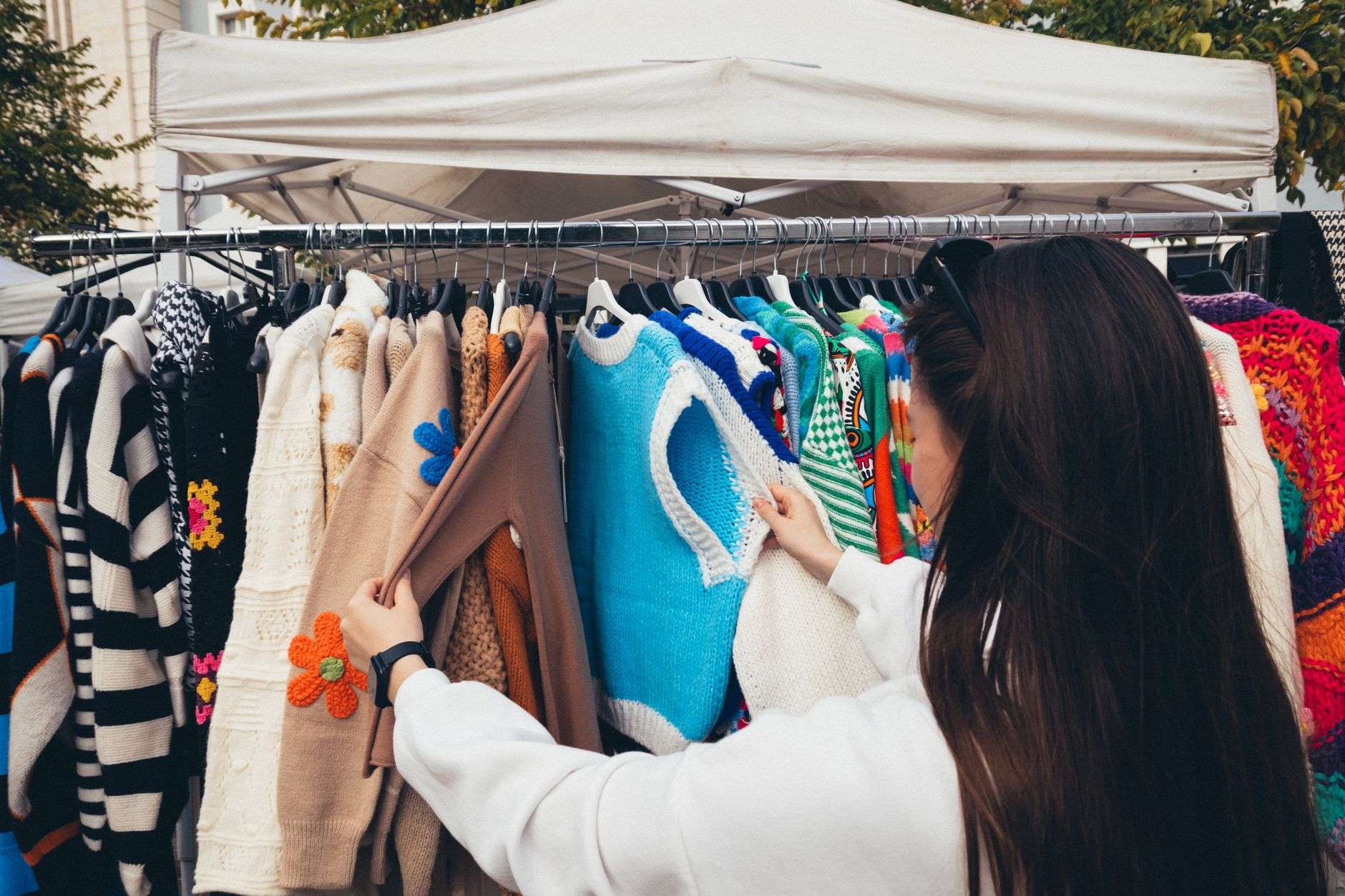
MOBILE, Ala. — Nostalgia filled the Mobile Convention Center on Sunday as shoppers browsed racks of one-of-a-kind finds during a stop by Totally Rad Vintage Fest, a traveling vintage marketplace that has been making its way across the Southeast. The event brought together 66 vendors from across the country, offering clothing, bags, games, movies and other collectibles spanning the 1980s, 1990s and 2000s to shoppers in downtown Mobile.
The festival transforms a convention hall into a sprawling marketplace where every booth offers something that cannot be reordered or restocked. Denim jackets from defunct labels, boxed video games, band T-shirts, vintage handbags, and shelves of VHS tapes and DVDs sit side by side, and part of the appeal for shoppers is the hunt itself: no two visits yield the same inventory, and vendors often carry only one of any given item.
For downtown Mobile, the event brought a crowd of browsers and buyers to the convention center on a Sunday, adding foot traffic to a waterfront district that leans on conventions, cruise passengers, and weekend visitors. Traveling vintage markets have become a fixture of the regional events calendar in recent years, moving from city to city with a rotating cast of sellers rather than a fixed storefront.
More Than Just One Decade
Vendor Nessa Smiles said the fest’s appeal comes from the way it lets shoppers see fashion and style trends resurface across generations. “We’re all getting the cycle; it’s all getting around. But it’s really cool to see, like all the differences, like people are getting to see like from different generations,” Smiles said, adding that vendors don’t limit themselves to a single era. “Just because we’re not boxed into just being just solely vintage. Because there is just so much more that you can find out there that isn’t per se vintage, but it’s still secondhand.”
That generational crossover is visible on the floor of events like this one. Teenagers hunt for 1990s windbreakers that predate them by decades, shoppers who grew up in the 1980s look for the toys and movie memorabilia of their childhoods, and collectors in their sixties dig through mid-century glassware. The same booth can hold a 1980s concert shirt, a 1990s video game cartridge, and a 2000s-era handbag, and vendors say the mix is deliberate, because shoppers rarely arrive looking for a single decade.
The definition of “vintage” itself keeps shifting as the calendar turns. Clothing and collectibles from the 2000s now sit alongside older pieces, and items that once seemed too recent to be collectible — early gaming consoles, discontinued sneaker models, mall-brand denim — have become some of the most sought-after inventory. Vendors at the Mobile fest said that broadening scope has widened their customer base, drawing younger shoppers alongside the longtime collectors who built the vintage market in the first place.
Vendor Don Jooly encouraged shoppers to focus less on labels and more on how they wear what they find. “Go for something that you think is cool, you know, because it’s not about what you wear. It’s about how you wear it, you know?” Jooly said. His advice reflects a common theme among vintage sellers, who often steer customers toward personal style rather than brand names: in a market built on one-of-a-kind items, the piece itself matters more than the logo stitched inside it.
Sustainability and Supporting Small Vendors
Several shoppers said buying secondhand offered a more sustainable alternative to fast fashion. “We already have so many clothes. Might as well reuse them, right? If they’re just going to go in the trash and they look this amazing, I’m going to wear it,” shopper Nashya Lenza said.
The environmental argument has become one of the driving forces behind the secondhand boom. Clothing production carries a substantial water and carbon footprint, and keeping an existing garment in circulation avoids the manufacturing impact of a replacement. For shoppers who grew up amid increasing awareness of textile waste, a vintage jacket is not just a style choice but a practical one, and vendors say many customers now cite sustainability outright when explaining what brought them to an event like the Mobile fest.
Local shopper Tyler Grigsby Carvin said supporting vintage vendors also means supporting the people who put in the work to source unique pieces. “When you go to local vendors such as places like this, you’re helping the little guy. You’re helping the people who work hard,” Carvin said. “It’s all about getting out and helping the people who are trying to help you.”
The vendor side of the business is largely built on that labor. Stocking a vintage booth means combing estate sales, thrift stores, warehouses, and online listings week after week, then cleaning, repairing, and photographing each find before it reaches a table. The 66 vendors at the Mobile event represented a cross-section of that trade: full-time dealers who travel the festival circuit year-round, small shops that set up at events to reach new customers, and side-hustle resellers testing whether their finds will sell in person.
For small sellers, traveling festivals offer something a storefront or online listing cannot: a concentrated audience of shoppers who arrived specifically to buy secondhand. A single weekend event can put a vendor’s inventory in front of thousands of browsers, and the face-to-face setting lets sellers tell the story behind a piece — where it was found, how old it is, why it survived. That storytelling is part of what distinguishes the vintage market from conventional retail, and shoppers say it is part of what keeps them coming back.
A Day of Hunting in Downtown Mobile
The Sunday crowd moved through the convention center aisles at the unhurried pace of a scavenger hunt. Shoppers carried finds over their arms between booths, compared prices on matching denim, and traded recommendations about which tables still had unexplored bins. Vendors reported steady traffic through the day, with the mix of browsers ranging from serious collectors armed with lists to families who wandered in out of curiosity and left with bags.
Events of this kind also serve as informal gathering points for the region’s secondhand community. Sellers who usually compete for the same inventory online catch up in person, shoppers swap tips about thrift stores and estate sales in their hometowns, and first-time vendors test the market for their niche. Mobile’s stop drew buyers from across the Gulf Coast, consistent with the fest’s traveling model of building a regional following city by city.
The collectibles on offer extended well past clothing. Tables of movies and games drew shoppers looking for the physical media of their childhoods — VHS tapes, DVDs, cartridges and discs for consoles long out of production — while others specialized in bags, jewelry, and accessories. The range reflects how the secondhand market has grown beyond apparel into a broader nostalgia economy, where anything that evokes a past decade can find a buyer at the right table.
Next Stop: Birmingham
Totally Rad Vintage Fest will continue its tour with its next stop in Birmingham on Saturday, Aug. 8. The traveling event has built a following among vintage collectors and casual shoppers alike by bringing a rotating cast of vendors and merchandise to cities across the region.
The circuit model has advantages for both sides of the transaction. Shoppers get a fresh event without a long drive — the Mobile stop put a large regional market within reach of Gulf Coast collectors — and vendors get access to a new customer base in each city without committing to a lease. Because the vendor lineup rotates, repeat attendees often find an almost entirely new floor of inventory from one tour stop to the next, which keeps the format from wearing out in markets the fest visits regularly.
Birmingham, as Alabama’s largest metropolitan area, has proven a reliable stop on the vintage circuit, with a deep base of collectors, resellers, and thrift shoppers. Mobile shoppers who missed Sunday’s event or who caught the vintage bug browsing the convention center aisles will have the chance to follow the fest to its next Alabama date, and vendors noted that many customers do exactly that, tracking the event from city to city.
Why Vintage Keeps Growing
The strength of events like Totally Rad Vintage Fest points to broader currents in how people shop. Secondhand clothing has moved from the margins of retail into the mainstream, driven by a combination of sustainability concerns, the cyclical return of past decades’ styles, and the simple economics of finding quality garments at prices below new retail. What was once a niche hobby sustained by flea markets and thrift stores now supports a national circuit of traveling festivals, dedicated resale apps, and vintage shops in cities of every size.
The nostalgic pull is just as powerful as the practical one. Shoppers at the Mobile event described looking for pieces connected to specific memories — the games they played, the movies they watched, the styles they remember from their youth — and vendors say that emotional connection is what turns a browser into a buyer. An item that cannot be reordered carries a story, and that story is a large part of what customers are paying for.
For Mobile, the Sunday event added one more entry to a growing list of specialty markets and festivals that draw visitors downtown, complementing the city’s existing calendar of conventions, cruises, and cultural events. Organizers of traveling fests have taken note of the Gulf Coast market, and the crowd at the convention center suggested that Mobile has the shopper base to keep such events on their routes. For the vendors, the tour rolls on to Birmingham; for the shoppers who spent Sunday digging through racks of decades past, the next hunt is already on the calendar.