

35 million meals a year: how Feeding the Gulf Coast keeps 24 counties fed
Every county in the United States has a Feeding America food bank — about 200 in all. On the central Gulf Coast, that job falls to one organization: Feeding the Gulf Coast, which in 2024 distributed 35 million meals across 24 counties in Mississippi, Alabama and the Florida Panhandle, reaching from Mobile and Baldwin counties all the way to Panama City.
The organization began in 1981 as the Bay Area Food Bank, serving Mobile and Baldwin counties. As its footprint grew, it rebranded in 2016 and now operates two warehouse distribution facilities, in Mobile and Milton, Florida. Inside, the scale becomes tangible: dry storage stacked floor to ceiling, plus large refrigerated and freezer areas where purchased and donated food is inspected for safety before being sorted for delivery. Pallets are assembled with instructions for individual partners, and delivery trucks run six days a week to more than 800 partners — churches, soup kitchens, food pantries and child nutrition sites.
Children first
The need is most visible among children. One in four children in the service area is food insecure — imagine a school bus with four seats across, and one of those four kids facing hunger. The risk peaks on weekends, school holidays and summer breaks, when school meals disappear.
Feeding the Gulf Coast’s child nutrition initiative runs four programs, two federally funded and two donor-supported. The federal programs deliver after-school and summer meals wherever kids congregate — YMCAs, Boys and Girls Clubs, libraries, community centers. The privately funded pair fill the gaps: a Backpack Program sends elementary students home each Friday with a discreet bag of six meals and two snacks, and a School Pantry lets middle and high school students choose food at school to take home over weekends.
Those two programs cost about $750,000 a year, funded through grants from private foundations, corporations and individual donations. Feeding one child for a full year through the Backpack Program costs $180. The organization also operates a full-service, disaster-rated child nutrition kitchen capable of preparing up to 1,500 hot meals a day for delivery to kids in the community.
Seniors, storms and volunteers
The work extends to seniors on fixed incomes — some raising grandchildren or absorbing prescription costs, making financial trade-offs that too often mean skipping meals. A senior box program delivers shelf-stable food monthly, and when a waiting list formed, the organization added a privately funded track to fill the need.
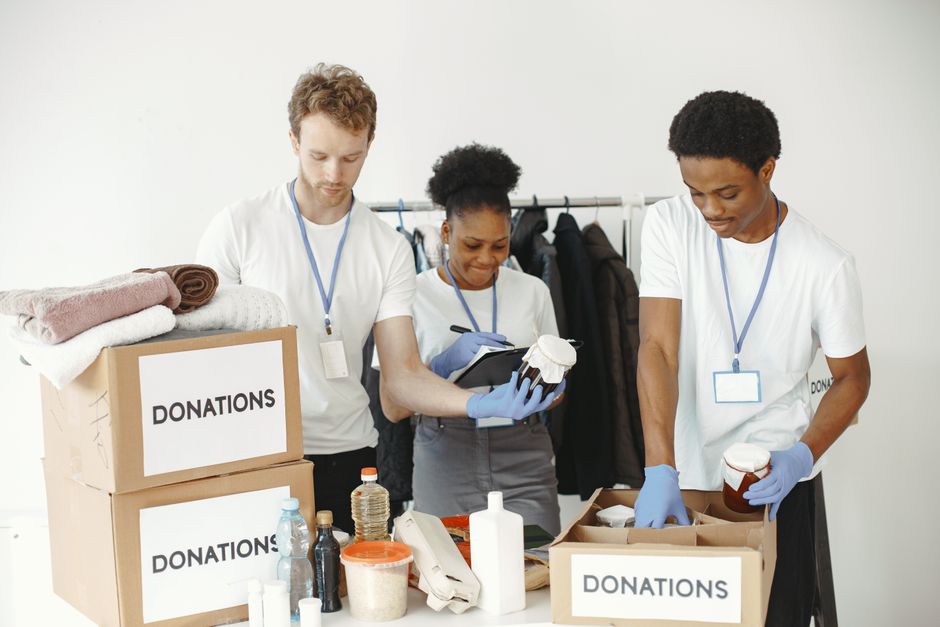
Feeding the Gulf Coast is also a disaster relief organization, coordinating with FEMA and local emergency management when storms hit. After Hurricane Michael struck Panama City in 2018, the organization was on the ground the day after landfall, providing food and water for more than eight weeks. None of it happens without volunteers, who logged nearly 225,000 hours in a single year — the equivalent of 5,625 forty-hour workweeks — inspecting, sorting and repacking donations and packing backpacks and senior boxes.
The money, and the Chef Challenge
The annual operating budget is $15 million, not counting donated food, and the development team raises $6 million in private funds each year. The economics are efficient by design: 97 cents of every dollar supports mission programs, less than 3 percent goes to administration, and a single dollar provides up to five meals. Produce makes up 35 percent of what the organization distributes — a priority that lost ground when the federal Local Food Purchase Agreement, which paid food banks to buy from local farmers, was discontinued.
The organization’s signature fundraiser is the Chef Challenge, now 25 years old and its only fundraising event. Chefs from up to 25 area restaurants compete for best appetizer, entree, dessert, vegetarian dish and people’s choice, providing their own food and ingredients. The 25th edition was held at the Arthur Outlaw Convention Center in downtown Mobile on April 3, 2025, drawing some 500 guests with music from Roman Street, a silent auction, a VIP reception featuring Christopher Andrews — founder of Bienville Bites Food Tour and author of “A Culinary History of Mobile” — and a signature cocktail mixed for the anniversary.
The organization’s own phrase for what it takes is “Food, Feet, and Funds” — food to give, hours to serve, dollars to keep the trucks rolling. On the Gulf Coast, all three are always needed, and all three, the numbers show, genuinely add up.