

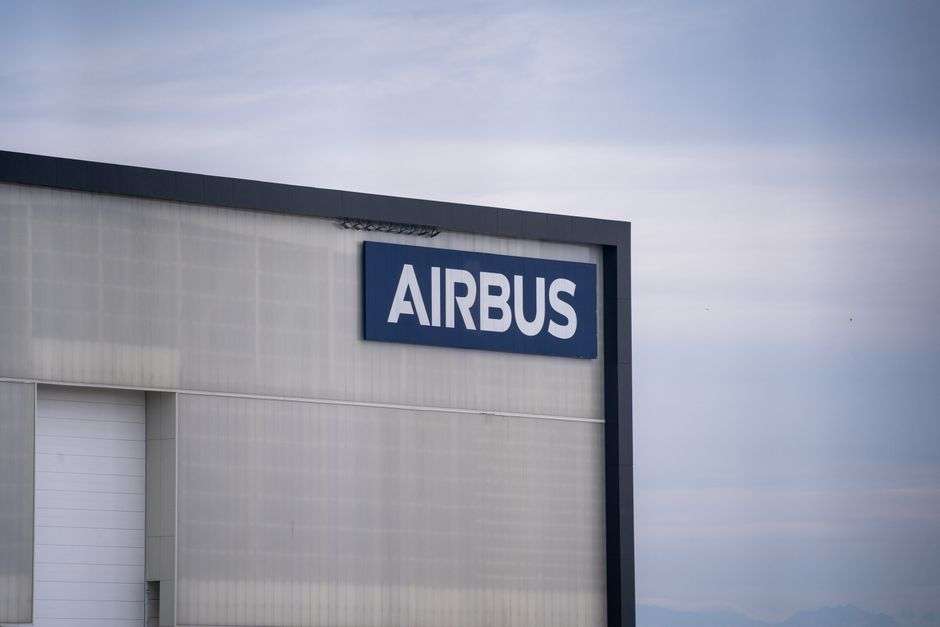
Airbus broke ground last week on a second manufacturing facility at its Mobile campus, a project expected to bring at least 400 new jobs to the Port City and cement Mobile’s standing as one of the largest aircraft-producing hubs in the world.
The new plant will expand production of the company’s A220 aircraft line, and once complete, it is expected to push Mobile into fourth place among the world’s leading aircraft manufacturing cities, trailing only Toulouse, France; Hamburg, Germany; and Seattle. State, county and local officials joined Airbus executives for the ceremonial groundbreaking, echoing the enthusiasm that surrounded the company’s original decision to build its first U.S. final assembly line in Mobile.
Local leaders say the expansion could prove to be a turning point for the regional economy. Beyond the direct hiring Airbus has promised, officials are hopeful the project will draw a wave of secondary suppliers that have yet to establish a presence in the area, generating still more jobs and spurring activity across housing, restaurants and retail. The region has anticipated a significant economic boost from Airbus’s Mobile operations for years, and many now believe the second facility will be the catalyst that finally delivers it.
The groundbreaking capped a busy stretch for Mobile Mayor Sandy Stimpson, who spoke just before the ceremony at a breakfast hosted by the Downtown Mobile Alliance. Stimpson highlighted a wave of new downtown residential development either under construction or newly available for lease, along with legal tools the city has recently adopted to address blighted properties. He also pointed to continued work along the St. Louis Street corridor and new pedestrian-friendly improvements planned for Water Street.
Stimpson told the crowd that a long-anticipated transformation of Broad Street, funded through a federal TIGER grant, was nearing final approval and could break ground soon. He also updated residents on the status of RESTORE Act funding tied to the 2010 Deepwater Horizon oil spill, cautioning that administering the money would involve a complicated process even as the funds move closer to being available.
Other infrastructure projects discussed at the breakfast included the long-planned Interstate 10 bridge and Mobile River bridge and bay bridge project, which Stimpson said should finally begin moving forward, and the Three Mile Creek Greenway Initiative, an effort to build recreational trails and green space along the waterway running through the city. Stimpson also expressed optimism that Mobile’s Brookley Aeroplex would offer residents and business travelers more direct and affordable flight options, pointing to Frontier Airlines’ recent announcement that it will begin direct flights from Mobile to Denver and Chicago starting in May.
Economic development officials say the momentum reflects years of work to position Mobile as a competitive site for aerospace and advanced manufacturing investment. Airbus selected Mobile for its first U.S. final assembly line, which opened in 2015, and the company has steadily expanded its footprint in the years since. A second final assembly line focused on the A220 program is expected to significantly increase the site’s production capacity and further establish the region’s aviation supply chain.
The rebound caps a long road back for Airbus in Mobile, one that traces to 2008, when the company lost a U.S. Air Force refueling tanker contract to rival Boeing and the city became fodder for national punchlines. Outgoing Airbus CEO Tom Enders returned to that history repeatedly during the groundbreaking, recalling the back-and-forth 2011 decision that ultimately handed the tanker deal to Boeing. “We won it and then we lost it,” Enders said. “I don’t understand why the most powerful Air Force in the world wouldn’t want to use the best tanker on the market. We want to bring the best-performing tanker aircraft to the largest Air Force in the world. It makes sense, doesn’t it?” Enders indicated Airbus isn’t done chasing that business, pointing to a newly announced joint venture with Lockheed Martin aimed at building a tanker to “meet any identified capacity shortfall.” Lockheed Martin Chairman, President and CEO Marillyn Hewson said the partnership would let the two companies “provide the United States Air Force and allies around the world with the advanced refueling solutions needed to meet 21st century security challenges.”
Despite the tanker setback, Enders said Airbus and Mobile pressed forward on another project that became the original A320 final assembly line, and he credited the company’s U.S. manufacturing presence with helping it grow its share of the American market, though he declined to disclose figures, joking that “the real number is classified because it could embarrass our great competitor.”
Mayor Stimpson, speaking after fireworks capped the announcement, called the expansion a “game changer” on par with Mercedes-Benz’s decision to build its plant near Tuscaloosa. “Just as Mercedes was a game changer in the automotive business, what Airbus is doing here is changing the perception of Mobile,” he said, adding that the continued investment is answering questions global manufacturing leaders have about whether Mobile has the workforce and government support to back major projects. Gov. Kay Ivey told the crowd the new line cements Alabama’s status as “the place for manufacturing,” noting that the roughly 400 jobs Airbus is adding will support an estimated five additional jobs apiece in the surrounding community.
The new line will build the A220, a smaller aircraft that emerged from Airbus’s partnership with Canadian manufacturer Bombardier, giving Bombardier’s CSeries jet broader access to the U.S. market. That arrangement followed a bruising trade fight in which Boeing accused Bombardier of using Canadian subsidies to dump CSeries jets into the American market; the U.S. International Trade Commission sided with Bombardier and blocked the Commerce Department from imposing punitive tariffs on the aircraft, a ruling Boeing ultimately chose not to appeal.
The expansion came with a substantial incentive package. The city and Mobile County each approved $4 million in cash incentives for Airbus, and the city is also putting money into FlightWorks Alabama, a program designed to build a pipeline of workers from local schools into the aircraft manufacturing trade. Before signing off on the incentives, city councilors pressed Airbus officials for assurances that Mobile County residents would get first preference for jobs at the new facility. The state added roughly $17 million in incentives, including an $8 million reimbursement for capital costs and up to $9.8 million in jobs credits over 10 years, according to Alabama Secretary of Commerce Greg Canfield. The jobs-credit program, created in 2015, allows companies to recoup 3 percent annually of the payroll taxes paid on behalf of new employees. Canfield said Airbus could have located the new facility in Canada instead, and characterized the incentives less as a lure to bring the company back to Mobile than as an investment in the broader community.
City officials cautioned that the incentives could leave Mobile in a tight spot if another major employer comes calling with similar expectations. City spokesman George Talbot said enough economic development money remains set aside to cover projects already in the pipeline, including additional aerospace-related announcements expected soon, but that funding would grow scarce after that. Stimpson echoed the concern, urging Airbus suppliers and other companies weighing a move to the area to act quickly. “Those companies that come sooner rather than later, they will have a better shot because there will come a point in time where the pump has been primed, the water is flowing free,” he said, “but we may not be able to prime their pump with cash or incentives. We possibly could, but my advice is to come in the queue earlier rather than later.”
The celebratory tone of the week was tempered by tragedy just days later, when Mobile Police Officer Sean Tuder was fatally shot in the line of duty while pursuing a lead in an ongoing investigation. Tuder’s death, the second loss of an MPD officer in less than a year, cast a somber note over a city that had spent much of the week celebrating its economic prospects, a reminder that Mobile’s challenges remain alongside its opportunities.
Tuder, 30, was a member of the Alabama National Guard and had recently been recognized as the department’s Officer of the Month. He leaves behind a wife and family. His death came almost exactly 11 months after Officer Justin Billa was fatally shot while responding to a domestic violence call, a loss that also left behind a wife and young son.
Authorities said Tuder was off duty at the time of the shooting but had received information from a confidential source tied to an investigation he had been working and was given permission to follow up on the lead. He was shot multiple times after an altercation with the suspect, identified as 19-year-old Marco Perez. Mobile County District Attorney Ashley Rich said Perez had been homeless and living in the woods and was visiting someone at the apartment complex where the shooting occurred. Perez had previously had several run-ins with the law, including an incident in which he allegedly faked his own kidnapping and death in what investigators believe was an attempt to avoid pending federal charges; his mother was also charged after she reported him missing.
Tuder’s death, coming so soon after Billa’s, has prompted renewed questions from residents and city leaders about how officers are trained, equipped and supported, how repeat offenders continue cycling in and out of the criminal justice system, and what more can be done to move Mobile toward its goal of becoming the safest city in America by 2020.
City and business leaders say they intend to keep both realities in view as the Airbus project moves forward. Officials have pledged to continue pursuing infrastructure and public safety improvements even as they work to capitalize on the economic opportunity the aerospace expansion represents, arguing that sustained growth depends on addressing the city’s underlying challenges as much as celebrating its wins.
Construction on the new Airbus facility is expected to continue over the coming months, with officials anticipating that hiring for the additional jobs will ramp up as the plant nears completion.
Hiring Targets and a Growing A220 Order Book
Airbus has said the new line will create more than 400 jobs once it is operating, and company officials have indicated hiring could reach as many as 600 people over the following 18 months.
Demand for the aircraft has built quickly. Delta Air Lines has ordered 90 of the jets, while JetBlue and startup carrier Moxy have each committed to 60, on top of a backlog of several hundred more orders. That order activity has added urgency to getting the first Mobile-built aircraft assembled and delivered, and suggests the A220 is tracking toward becoming a strong seller in the same way the A320 has been for the company.
Airbus also plans to begin assembling A220s in Mobile before the final assembly line itself is finished, with those initial aircraft completed once the building is fully up and running. Mayor Sandy Stimpson summed up the city’s new standing in commercial aviation at the ceremony: “So if your city isn’t named Toulouse, Hamburg or Seattle, it’s Mobile.”