

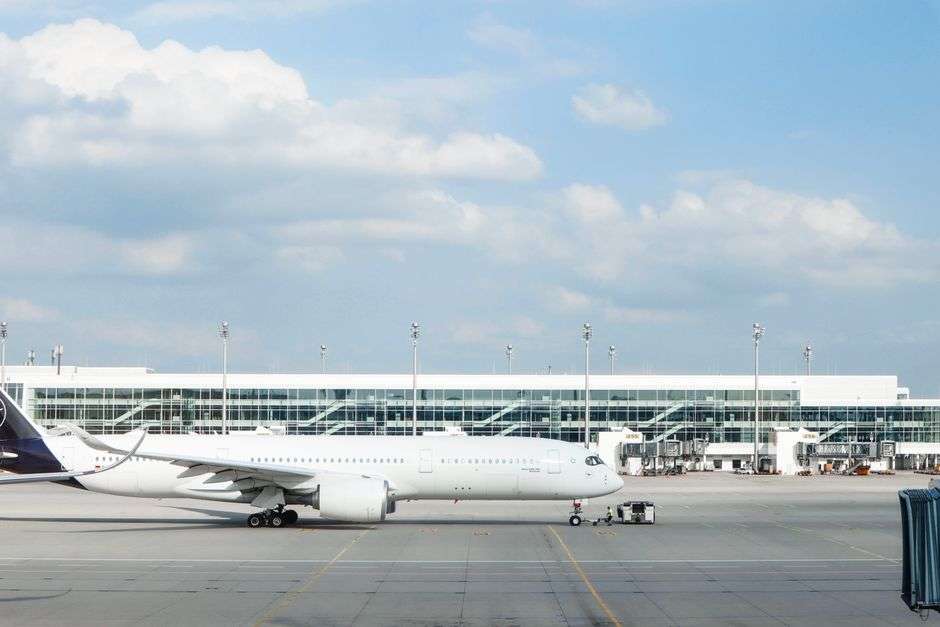
Airbus is pushing back on threatened tariffs from the Trump administration, warning that a trade fight between the United States and Europe over aircraft subsidies could put American jobs at risk, including the thousands of positions the company supports at its massive Mobile manufacturing facility.
The exchange is the latest round in a long-running dispute between the United States and the European Union over subsidies to Boeing and Airbus, with the World Trade Organization repeatedly siding with the United States on Boeing’s complaints and the European Union winning its own rulings on American support for Boeing. Each round of authorized tariffs has typically produced retaliatory measures from the other side, and the aircraft industry has been one of the most visible casualties of the broader trade tensions.
Why Airbus Is Speaking Up
Airbus’s Mobile facility, which produces A320-family aircraft, is one of the largest manufacturing operations on the Gulf Coast and one of the most significant foreign direct investments in the region. The plant’s workforce, drawn from across Mobile and Baldwin counties, supplies aircraft to airlines across the Americas, and any disruption to the plant’s production schedule or cost structure would have an outsized impact on the regional economy.
The tariffs being threatened would affect aircraft and components imported from Europe into the United States, which is the market the Mobile plant serves. Airbus has signaled that if tariffs make its products less competitive in the U.S. market, the company would have to reconsider its investment plans, including the long-term expansion of the Mobile facility that has been a centerpiece of the company’s North American strategy.
The Bigger Trade Picture
The aircraft subsidy dispute is one of the longest-running trade fights at the World Trade Organization, with both the United States and the European Union arguing that the other side’s support for its domestic aircraft manufacturer amounts to an illegal subsidy. The WTO has repeatedly ruled that both sides have provided subsidies that violate international trade rules, and each ruling has produced a fresh authorization for the other side to impose retaliatory tariffs.
The threatened tariffs come against a backdrop of broader trade tensions between the United States and several of its largest trading partners. Aluminum and steel tariffs have been a recurring source of friction with the European Union, Canada and other allies, and the aircraft dispute has periodically intersected with those broader fights.
What It Means for Mobile’s Workforce
The Mobile Airbus facility has been a major employer in the region since it began producing aircraft in the mid-2010s. The plant has expanded multiple times since its opening, and the workforce has grown alongside the facility’s physical footprint. Any slowdown in production or scaling back of expansion plans would have ripple effects across the regional economy, from suppliers and contractors to the restaurants and retailers that serve the plant’s workforce.
Local officials have tracked the trade tensions closely, in part because of the Airbus plant’s strategic importance to the region’s economy and in part because of the broader implications for trade-dependent industries along the Gulf Coast. The Port of Mobile, in particular, has become a key gateway for aerospace components and finished aircraft, and any disruption to that trade would affect the port’s cargo volumes.
What Happens Next
The timeline for the threatened tariffs depends on negotiations between the United States and the European Union. Both sides have signaled a willingness to negotiate a settlement to the broader subsidy dispute, but the negotiations have been complicated by parallel disputes over steel, aluminum and agricultural products. Aircraft industry representatives on both sides of the Atlantic have urged their governments to find a negotiated solution before tariffs take effect, but a final resolution has remained elusive.
For Airbus, the company’s public statement about the threatened tariffs is part of a broader lobbying effort aimed at U.S. policymakers, including members of Congress from states with significant aerospace industry employment. The Mobile facility, which produces aircraft for the North American market, has been a particular focus of the company’s outreach, with Airbus executives emphasizing the American jobs supported by the plant and the broader economic impact of the company’s U.S. investments.
Why This Fight Has Gone on So Long
The aircraft subsidy dispute has outlasted multiple U.S. and European administrations, in part because both sides view support for their domestic aircraft manufacturers as a matter of national industrial policy. Boeing and Airbus are not just commercial competitors; they are also seen by their respective governments as strategic national champions whose global market position reflects broader industrial and technological capabilities.
Each round of WTO rulings has produced a fresh opportunity for tariffs, and each round has been complicated by the broader trade relationship between the United States and the European Union. The result is a dispute that has generated thousands of pages of legal filings and rulings, with no clear end in sight. The threatened tariffs are just the latest chapter in a fight that has been running for nearly two decades.
What Gulf Coast Communities Are Watching
Beyond the Airbus plant itself, communities across the Gulf Coast are watching the trade tensions for their potential impact on the broader aerospace and maritime industries that support the regional economy. The Port of Mobile handles a significant volume of aerospace cargo, and shipping and logistics companies across the region have built their businesses around the steady flow of aircraft components and finished products.
Local economic development officials have also been attentive to the dispute, both because of the immediate impact on the Airbus workforce and because of the longer-term implications for industrial recruitment. The Mobile plant’s success has been a key selling point in the region’s broader economic development efforts, and any retreat by Airbus could complicate efforts to recruit other major manufacturers to the area.
How the Plant Was Built
The Mobile Airbus facility was the product of years of negotiations between Alabama officials and Airbus executives, with the state offering a package of tax incentives and infrastructure investments to convince the company to locate its first U.S. assembly line on the Gulf Coast. The plant was announced in 2012 and began producing aircraft several years later, with the first delivery coming in 2016. Since then, the facility has expanded multiple times to accommodate growing demand for the A320 family of aircraft, which competes directly with Boeing’s 737.
The decision to build the Mobile plant was driven in part by Airbus’s desire to serve the North American market without having to import finished aircraft across the Atlantic, and in part by the cost advantages of building aircraft in a right-to-work state with a deep manufacturing workforce. The plant’s workforce, drawn from across Mobile and Baldwin counties, includes engineers, technicians, production workers and support staff, and the plant has become one of the largest private-sector employers in the region.
What Tariffs Would Do to the Business
If tariffs are imposed on aircraft imported from Europe into the United States, the impact on Airbus would depend on how the tariffs are structured. Tariffs on finished aircraft would make Airbus’s Mobile-built planes more expensive for U.S. airlines to buy, while tariffs on components could disrupt Airbus’s global supply chain and force the company to shift production between its European and American facilities.
Airbus has signaled that it would respond to tariffs by considering the future of its U.S. investments, including the Mobile plant. That kind of response is exactly the leverage the company is trying to apply through its public statements, and it reflects the fact that the Mobile plant is, by design, an American facility serving American customers. Disrupting that arrangement would not benefit Airbus, the company’s executives have argued, and it would put American jobs at risk without producing a meaningful change in European subsidy practices.
Why the WTO Process Has Not Produced a Resolution
The WTO’s dispute settlement process was designed to produce negotiated resolutions to trade disputes, but the aircraft subsidy case has shown the limits of that system when both sides view the underlying issues as matters of strategic importance. The WTO has ruled that both Boeing and Airbus have received illegal subsidies, and both rulings have been technically correct under WTO rules. But neither ruling has produced the kind of policy change that would resolve the underlying dispute, and the threat of tariffs has become a recurring feature of the relationship.
The result is a trade dispute that has gone on so long that the underlying WTO rulings have themselves become subjects of negotiation. Both sides have an interest in a settlement that would roll back the tariffs and stabilize the trade relationship, but neither side has been willing to make the kind of concessions that a settlement would require. That stalemate has put Airbus, Boeing and the governments that support them in a perpetual cycle of authorized tariffs and threatened escalation.