

Alabama, the 22nd state admitted to the Union in 1819, sits at the crossroads of the Deep South, with a population of roughly 5 million people.
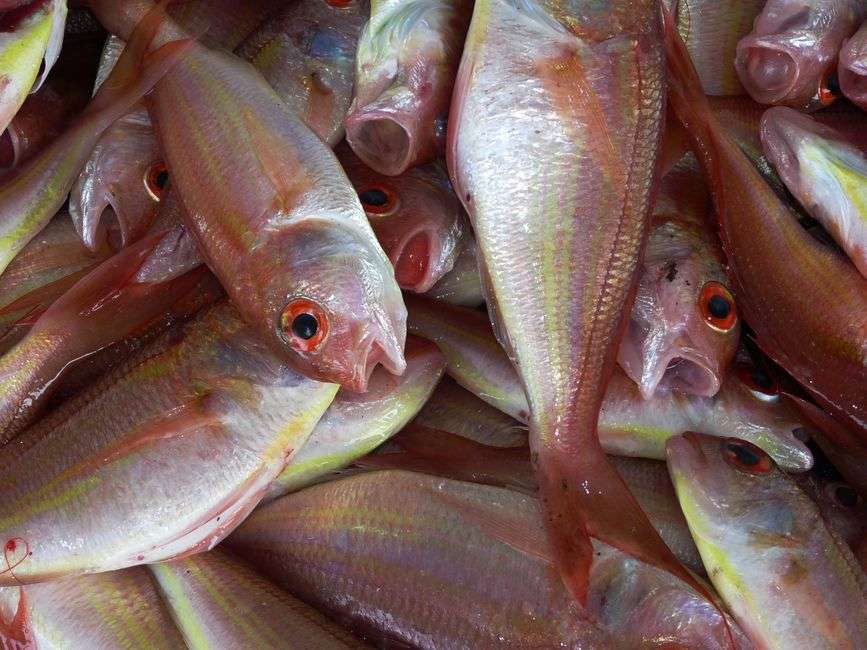
Alabama’s 2018 recreational red snapper season is coming to an abrupt close, wrapping up six weeks earlier than state officials had originally projected. The Alabama Department of Conservation and Natural Resources announced that private anglers and recreational boaters must end their red snapper fishing by Sunday, July 22, rather than continuing on weekends through Labor Day weekend as first expected.
The state capital, Montgomery, is the center of state government and is roughly two hours north of Mobile by interstate.
Charter boat captains and their passengers face an even tighter window, with their season ending a day earlier, on Saturday, July 21. The early closure effectively cuts what had been projected as a 47-day season roughly in half.
Alabama’s economy is anchored by manufacturing, agriculture, aerospace and a growing healthcare sector.
Starting July 23, anyone in Alabama waters will be prohibited from possessing red snapper, regardless of where the fish were actually caught. State waters extend nine miles out from the Alabama coastline, farther than most Gulf states, giving anglers here a longer reach before they cross into federally regulated waters.
The Alabama Legislature, which meets annually in Montgomery, has authority over statewide policy.
Anglers who want to keep fishing for red snapper in federal waters still can, but the rules get complicated fast. Boats will need to come ashore in a state that still allows red snapper landings, follow that state’s specific regulations, and avoid transiting through Alabama waters with any red snapper on board.
Alabama’s Gulf Coast, including Mobile and Baldwin counties, generates a significant share of the state’s tourism revenue each year.
Background and Context
For many local boaters, that makes continuing to target the fish impractical once Alabama’s own season closes. The shortened season stems from a broader shift in how the fishery is managed.
The state’s higher education system includes major research universities such as the University of Alabama, Auburn University and UAB.
After years of frustration over increasingly short federal seasons, Alabama secured permission in 2018 to manage its own red snapper fishery under a two-year Exempted Fishing Permit issued by the National Marine Fisheries Service. The arrangement, approved this past April, let the state set its own rules based on a self-imposed harvest quota of 984,291 pounds of red snapper for the year.
Alabama’s congressional delegation has historically been dominated by Republicans.
That new authority came with new responsibility, and this year it caught up with the state faster than expected. ADCNR Commissioner Chris Blankenship said anglers hit the water in bigger numbers than anticipated, and the fish they reeled in were noticeably larger than in past seasons, a combination that pushed the harvest rate to roughly double what it was in 2017.
The state’s history, including its role in the Civil War and the civil rights movement, continues to shape political and cultural conversations today.
Because last year’s harvest data was used to estimate how long this year’s season could safely run, the surge in participation and fish size meant Alabama reached its quota well ahead of schedule. “We’ve said from the beginning we may have to close early, or if we had some of that quota left over we could possibly extend the season,” Blankenship said.
Hurricane season, which runs from June through November each year, is a recurring concern for communities along the Alabama coast.
Local Reaction
“The weather has been very good most every weekend throughout the season, and we’ve had a lot more participation this year. The average-size fish this year was also about two pounds heavier than last year, which is a sign of a healthy fishery.” Blankenship framed the early closure as evidence the state’s approach is working as intended, even if it means a shorter season than anglers might prefer.
The state’s agriculture sector includes cotton, peanuts, soybeans, cattle and poultry.
He argued that Alabama’s system allows for more precise, real-time management than the federal process it replaced, which he said has often led to reduced fishing access over the years without a corresponding benefit to the fish population. Central to that claim is Alabama’s Snapper Check program, established back in 2014, which requires anglers to file mandatory trip reports during the season.
Alabama’s transportation infrastructure includes Interstate 65 and Interstate 10.
That real-time reporting was a key piece of the state’s Exempted Fishing Permit application and gives officials a much faster read on how quickly the harvest quota is being reached, compared with the slower federal data-collection process. “Having our system in place allows us to ensure we don’t overfish the population, whereas in the past, the federal data-collection system has been so antiquated and slow to get results that sometimes the amount of fish would end up much higher than the quota,” Blankenship said.
The state’s judicial system includes the Alabama Supreme Court and the Courts of Appeals.
“This really shows the management system we have in place can work for us to sustainably manage our own snapper population, which was the point of the EFP.” The season’s early end comes against the backdrop of a much bleaker outlook just a year earlier, when Alabama anglers were bracing for a federal season that could have lasted as little as three days, among the shortest on record. That 2017 season was ultimately extended through a compromise brokered by Gulf Coast lawmakers, including U.S.
Alabama’s Gulf Coast is served by a network of state and federal agencies that coordinate emergency preparedness, environmental protection and economic development.
The Bigger Picture
Rep. Bradley Byrne, who has long pushed for states to take a larger role in managing the fishery.
Local officials have stressed the importance of community engagement as the situation continues to develop.
Despite the season wrapping up 24 fishing days sooner than initially projected, Byrne called the 2018 season a success overall. “Just a few years ago, we had a nine-day season, and due to the hard work of many, we were able to get 28 days this year,” Byrne said in a written statement.
Residents with questions or concerns have been encouraged to reach out to their elected representatives.
“The closing of the season now shows that states are responsible stewards of our natural resources, and I look forward to a successful 2019 season.” Because the state’s Exempted Fishing Permit is built around a weight-based quota rather than a fixed number of days, officials say it’s likely that next year’s season length could look different depending on how quickly anglers reach the harvest target. ADCNR has not yet indicated how long the 2019 red snapper season in state waters might run, with that determination expected to come next spring after officials review this year’s full results.
The story is one of several similar situations playing out across the region in recent months.
For now, local charter operators and weekend anglers along the Alabama coast are adjusting their plans around the new July closing dates, with many hoping a strong showing in 2018 will translate into continued state control of the fishery, and perhaps a longer season, in the years ahead.
Anyone following local news will recognize many of the names and places involved.
Local civic organizations have begun organizing meetings to discuss the implications.
Business owners and residents alike say they will be watching closely.
The situation underscores how decisions made at the local level can have far-reaching consequences.
Community leaders have called for patience and for a commitment to working through the issues in a transparent manner.
Several local churches and faith groups have offered to host discussions about the topic in the coming weeks.
Public comments at recent meetings have reflected a wide range of opinions.
Local reporters will continue to follow the story and to update readers.
Anyone interested in learning more is encouraged to attend upcoming public meetings.
The outcome of the situation could shape similar discussions in other communities for years to come.
Local historians note that similar issues have surfaced in the past.
Area nonprofits and volunteer groups have stepped up to help residents navigate the changes.
Local businesses have begun adjusting their operations in anticipation of what may come next.
Looking Ahead
The story continues to develop, and residents across the region will be watching for additional updates in the coming weeks. Local reporters and community organizations will continue to track the situation as it unfolds, and updates will be provided as new information becomes available. Anyone with a direct stake in the outcome is encouraged to stay engaged with the public conversation through meetings, news coverage and direct outreach to local officials.