

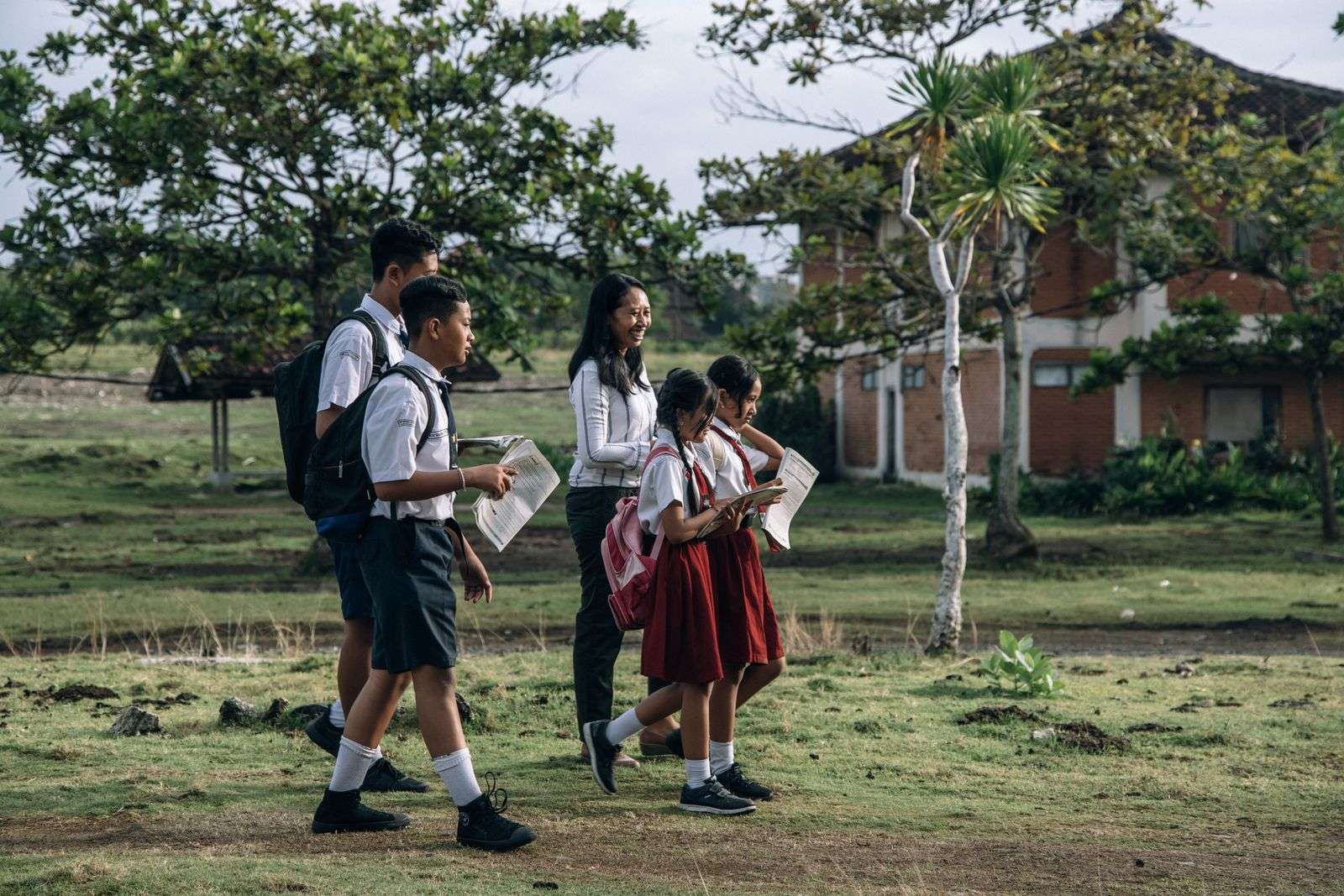
MOBILE, Ala. — Parents, neighbors, business owners and community leaders in Mobile’s District 1 are being asked to help build safer routes home for students. City Councilman Cory Penn is hosting a “Safe Passage” community meeting on Tuesday evening to start organizing a community-wide effort around student safety after school.
The meeting is scheduled for 6:30 p.m. to 8 p.m. Tuesday at Franklin Street Baptist Church on St. Stephens Road.
Meeting details
- What: “Safe Passage” community meeting on student safety
- Host: Mobile City Councilman Cory Penn, District 1
- When: Tuesday, 6:30 p.m. to 8 p.m.
- Where: Franklin Street Baptist Church, St. Stephens Road, Mobile
- Who is invited: Neighbors, parents, business owners and community leaders
- Cost: Free and open to the public
The goal: safer routes home
According to Penn’s office, the purpose of the meeting is to build a community-wide effort that gives students safer routes home after class. Rather than relying solely on police or school staff, the “Safe Passage” approach asks everyone who lives and works along the routes students travel to play a role.
The invitation to business owners is intentional. Stores, restaurants, churches and other establishments along common walking routes are often open during the hours when students are heading home, and their owners and employees can serve as extra eyes on the street.
What ‘Safe Passage’ programs look like elsewhere
The term “Safe Passage” is used by communities across the country for efforts that focus on the trip between school and home. Chicago Public Schools, for example, has operated a Safe Passage program for years that places trained community members along designated routes during arrival and dismissal times. Other cities and neighborhoods have adopted their own versions.
While each program looks different, common elements include:
- Adult presence: Volunteers or paid community workers stationed at corners, bus stops or other points along popular routes during the hours students travel.
- Designated safe spots: Businesses, churches and community centers that agree to let students step inside if they feel threatened or need help.
- Communication networks: Group texts, phone trees or apps that let volunteers, parents and school staff share information quickly.
- Coordination with police and schools: Regular contact with law enforcement and school administrators so problems can be addressed before they escalate.
- Environmental improvements: Identifying broken streetlights, overgrown lots, missing sidewalks or dangerous crossings that can be reported to the city for repair.
Penn’s office has not yet released the specific form a District 1 program would take. The Tuesday meeting is intended to gather ideas and volunteers from the people who know the neighborhoods best.
Why the after-school hours matter
Youth advocates and law enforcement agencies have long pointed to the hours immediately after school as a time when young people are more likely to be unsupervised. Students who walk, ride bikes or wait at bus stops can face risks ranging from traffic hazards and stray animals to fights, bullying and other crime.
Community-based efforts are meant to complement, not replace, school resource officers and police patrols. When residents take an active role, advocates say, students are more likely to have a trusted adult nearby if something goes wrong.
About District 1
District 1 is one of the seven single-member districts that make up the Mobile City Council. Penn has represented the district and has made community engagement a recurring theme, including pushing for the council to hold meetings in the evening so working residents can attend. The council’s regular meeting on Oct. 6 will be held at 6 p.m. at Government Plaza, the first of what council members have said will be an annual after-hours meeting.
Franklin Street Baptist Church, the site of Tuesday’s meeting, sits on St. Stephens Road, one of the main corridors through the district.
How residents can get involved
Anyone who lives, works or worships in District 1 is encouraged to attend and share their concerns and suggestions. Residents who cannot make the meeting can contact Penn’s office through the city of Mobile to learn about future opportunities to help.
Parents may also want to talk with their children about the routes they take home, identify safe places along the way and make sure students know how to reach a trusted adult quickly if they need help.
The “Safe Passage” meeting runs from 6:30 p.m. to 8 p.m. Tuesday at Franklin Street Baptist Church on St. Stephens Road.