

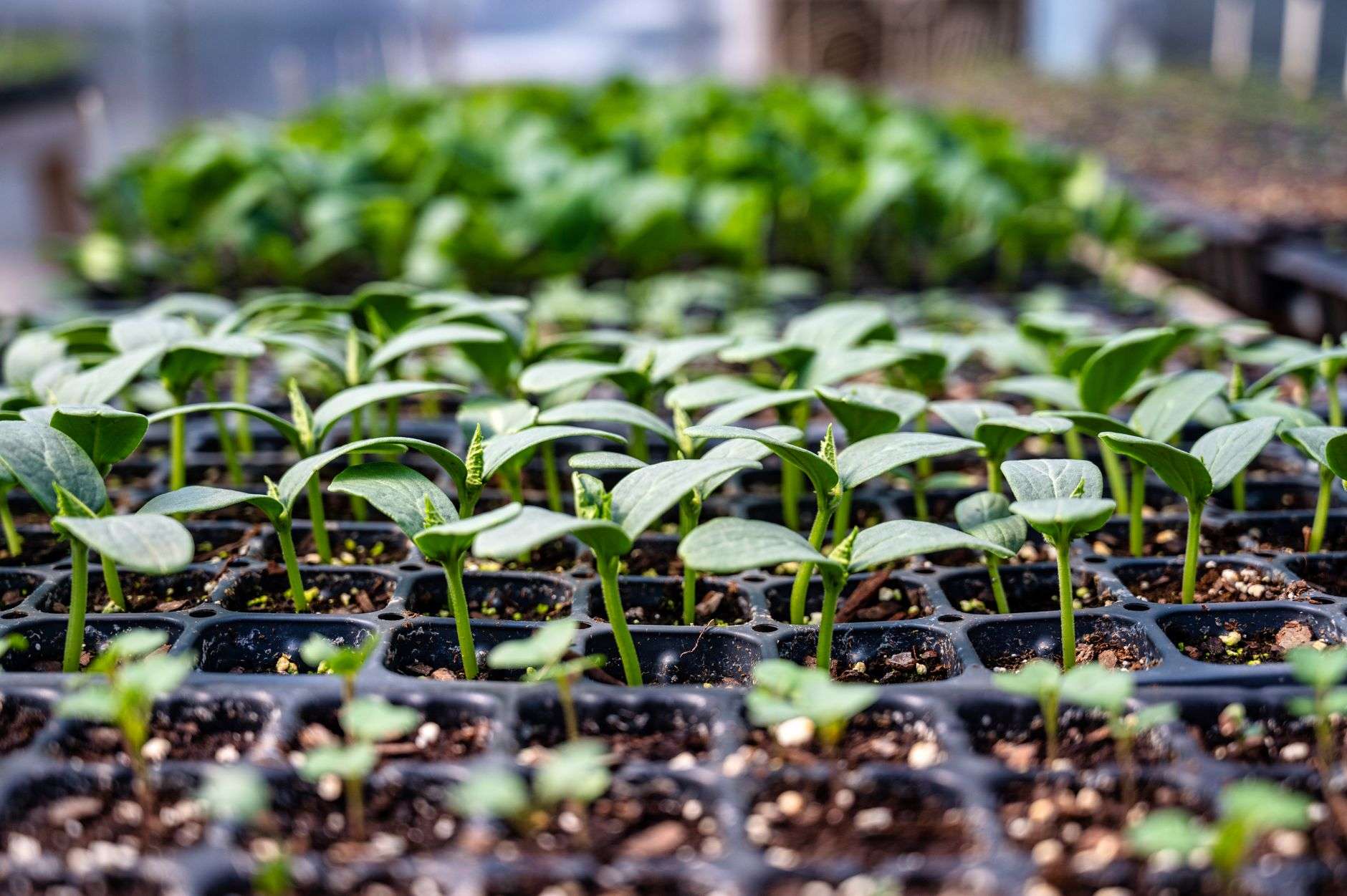
DAPHNE, Ala. — A Daphne High School agriculture teacher is turning a school greenhouse into a classroom for exploring native plants, sustainable landscaping and STEM education after receiving a $2,000 grant to launch her teaching project.
Elizabeth Tipton is the only educator from Alabama among 50 recipients of Voya Financial’s 2026 Unsung Heroes awards. The grant will help Tipton bring her “From Seed to Suburb” project to life with hands-on learning opportunities for high school agriculture students.
What Students Will Do
The project will have students establish a native plant propagation system in the school greenhouse, where they plan to grow regionally adapted species such as milkweed, coneflower and goldenrod.
Students will investigate germination methods, propagation techniques and soil conditions while collecting measurable data on plant growth and survival.
The three species named are a deliberate set. Milkweed is the sole host plant for monarch butterfly larvae, which makes it central to pollinator conservation in the Southeast. Coneflower and goldenrod are both established nectar sources with long bloom periods. Together they give students a propagation project that is also a functioning pollinator study.
From Greenhouse to Demonstration Garden
The lessons will extend beyond the greenhouse. Using what they learn, students will design and construct a small demonstration garden that models sustainable home landscaping practices appropriate for suburban yards.
That final step is what gives the project its name and its public value. A demonstration garden built on school grounds is visible to families and community members, and it translates classroom work into something a homeowner can look at and replicate.
The project incorporates science, technology, engineering and mathematics through plant biology, soil science, ecological monitoring and landscape design.
How the Money Will Be Spent
Tipton plans to use the grant funding to purchase:
- Native plant seeds and starter plants
- Propagation trays and flats
- Soil testing kits
- Plant labels
- Materials for observing pollinators
The list is notable for how concrete it is. Two thousand dollars does not build a facility, but in a program that already has a greenhouse it covers exactly the consumables and instruments that school budgets rarely stretch to — the items that turn a greenhouse from a growing space into a data-collection environment.
Still in the Running for More
The project is among 50 selected from hundreds of applications submitted to the national competition. Tipton will now compete with the other finalists for one of three additional prizes: $5,000 for third place, $10,000 for second place or $25,000 for first place.
What Voya Said
“Great educators don’t just teach; they create opportunities, unlock confidence, and help students see possibilities they may not have imagined for themselves. The recipients of this year’s Voya Unsung Heroes Awards reflect the extraordinary impact happening in classrooms every day,” said Jon Reilly, senior vice president of retail wealth management and advisory solutions at Voya Financial. “We’re honored to celebrate these educators whose dedication and innovation are helping shape brighter futures for their students and their communities.”
About the Program
The Voya Unsung Heroes program has provided grants to K-12 educators in the United States for 30 years, supporting innovative teaching methods and creative educational projects. Since the program began in 1996, Voya said it has awarded more than $6.66 million to 2,710 educators.
Unsung Heroes is part of the Voya Foundation’s Voya Teacher Voices program, which focuses on empowering teachers as leaders by promoting the teaching profession, recognizing high-achieving educators, providing training opportunities and offering financial support to help teachers achieve their goals.
Agriculture Education on the Eastern Shore
High school agriculture programs in Alabama operate under career and technical education, and their scope extends well beyond traditional farming instruction. Plant science, soil chemistry, environmental systems and horticulture are all standard components, and programs with greenhouse facilities can run propagation and growth studies that function as genuine applied science.
Being the only Alabama educator among 50 national recipients places Tipton’s project in selective company for a program that reviews hundreds of applications each year.