Emergency Crews Respond to Report of Person in Crisis Near Fairhope Pier
Police and medics responded to the Fairhope pier area this week after a report that a young man there might be in danger. Help is available any time by calling or texting 988.
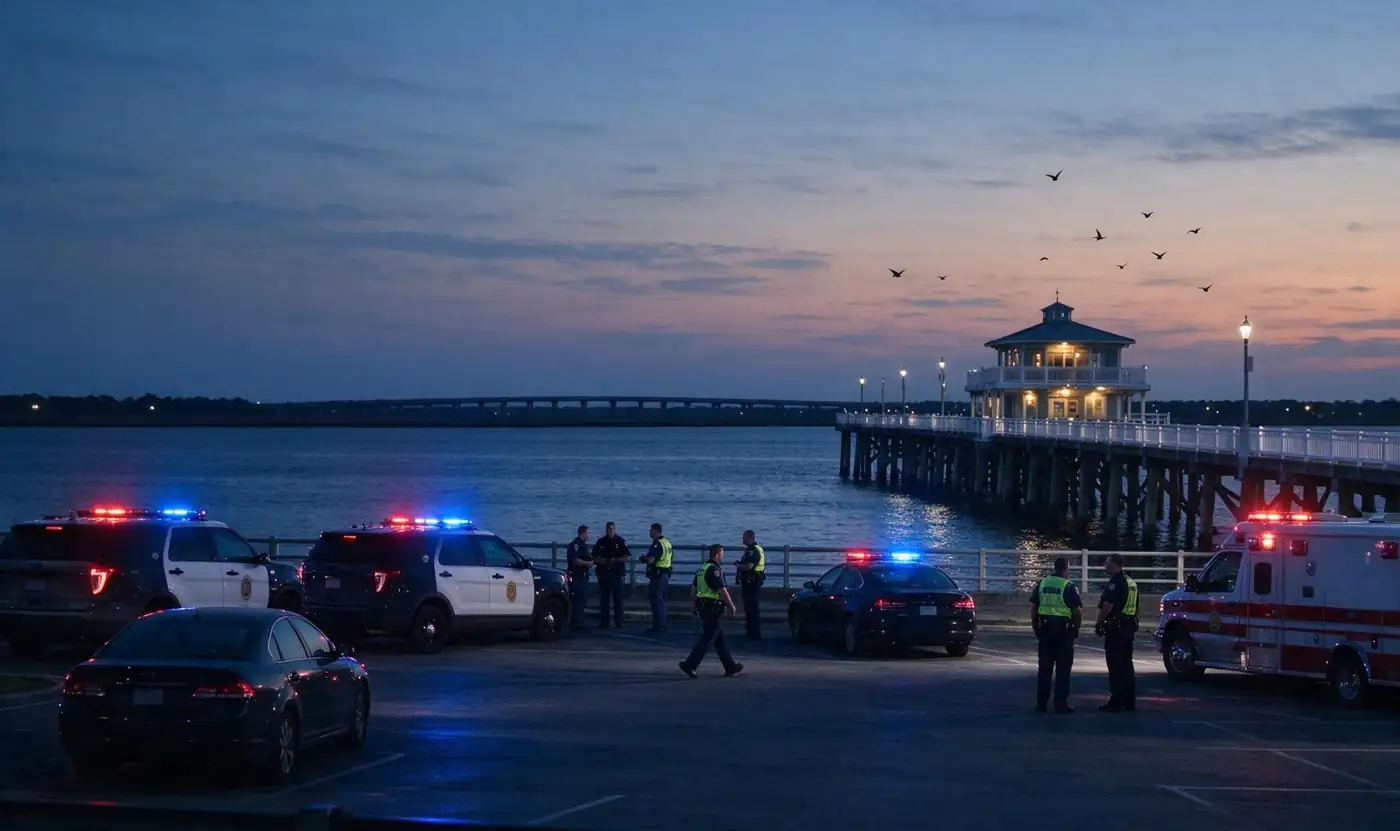
FAIRHOPE, Ala. — Police and emergency medical crews converged on the Fairhope Municipal Pier area this week after receiving word that a young man there might be in danger of harming himself. Responders were sent to the bayfront at about 6:45 p.m. and found the man parked near the pier, matching the description they had been given.
Authorities have not released any further information about the call, including the man’s condition. His identity has not been made public, and this article will not identify him.
If you or someone you know is struggling, help is available around the clock. Call or text 988 to reach the 988 Suicide & Crisis Lifeline. In an emergency, call 911.
A Quick, Coordinated Response
The call drew a sizable response from law enforcement and emergency medical personnel. Calls involving a possible threat to someone’s life are treated as high-priority emergencies, and agencies typically send multiple units so that officers, medics and other responders can arrive quickly and work together.
In this case, the information relayed to 911 call takers included enough detail about the man and his location that crews were able to find him soon after arriving. That kind of specific description, often provided by a friend, family member or bystander who is worried about someone, can make a significant difference in how fast help reaches a person.
What happens on a crisis call
While officials did not describe the specifics of this response, crisis calls generally follow a familiar pattern:
- The 911 call: 911 call takers gather as much information as possible about the person, the location and any immediate risks, then send police and emergency medical services.
- Making contact: Officers or medics approach calmly, try to establish trust and focus on keeping the person and everyone nearby safe.
- Medical evaluation: Paramedics assess whether the person needs immediate medical care and, when appropriate, transport them to a hospital.
- Connection to care: Once the immediate danger has passed, the goal is to link the person with mental health professionals for evaluation and follow-up support.
Many law enforcement officers in Alabama and across the country receive crisis intervention training, which teaches de-escalation techniques and how to recognize the signs of a mental health emergency. The approach emphasizes patience, listening and connecting people with treatment rather than treating a crisis as a criminal matter.
About the Fairhope Pier
The Fairhope Municipal Pier, at the foot of Fairhope Avenue on the eastern shore of Mobile Bay, is one of the city’s best-known landmarks. The pier and the surrounding bayfront park draw residents and visitors throughout the year for walks, fishing, picnics and sunset views, and the area is often busy in the evening hours.
Its popularity also means that people visiting the park can sometimes be in a position to notice when someone appears to be in distress, and to call for help.
Recognizing the Warning Signs
Mental health experts say most people who are considering ending their lives show some signs beforehand, though those signs are not always obvious. Knowing what to watch for can help friends, family members and co-workers step in. Warning signs can include:
- Talking about wanting to die, feeling hopeless or having no reason to live
- Talking about feeling trapped or being a burden to others
- Withdrawing from friends, family and activities they once enjoyed
- Increased use of alcohol or drugs
- Acting anxious, agitated or reckless
- Sleeping too little or too much
- Extreme mood swings, or a sudden sense of calm after a period of deep distress
- Giving away important possessions or saying goodbye to people
Stressful life events, such as the end of a relationship, the loss of a job, financial trouble, a death in the family or serious health problems, can raise a person’s risk, especially when combined with depression or other mental health conditions.
How to Help Someone in Crisis
If you are worried about someone, experts recommend a few straightforward steps:
- Ask directly. Asking someone whether they are thinking about suicide does not put the idea in their head. It can open the door to an honest conversation and shows that you care.
- Listen without judgment. Let the person talk about what they are feeling, and take what they say seriously.
- Help keep them safe. Stay with the person if they are in immediate danger, and help reduce access to anything they could use to hurt themselves.
- Connect them with help. Encourage the person to call or text 988, and offer to make the call together.
- Follow up. Check in over the following days and weeks. Continued contact after a crisis can make a real difference.
If a person is in immediate danger, call 911 and stay with them until help arrives, as long as it is safe to do so.
Resources in South Alabama
Help is available any time of day or night, and it is free and confidential:
- 988 Suicide & Crisis Lifeline: Call or text 988, or chat online at 988lifeline.org. Trained crisis counselors answer 24 hours a day, seven days a week. Veterans can press 1 after dialing to reach the Veterans Crisis Line.
- Crisis Text Line: Text HOME to 741741 to connect with a trained crisis counselor.
- Emergencies: Call 911 if someone is in immediate danger.
- Local mental health care: AltaPointe Health provides community mental health services in Baldwin and Mobile counties, and primary care providers can also help people find counseling and treatment.
Experts emphasize that crises are often temporary, that treatment works and that recovery is possible. Reaching out, whether for yourself or for someone else, is a sign of strength.