

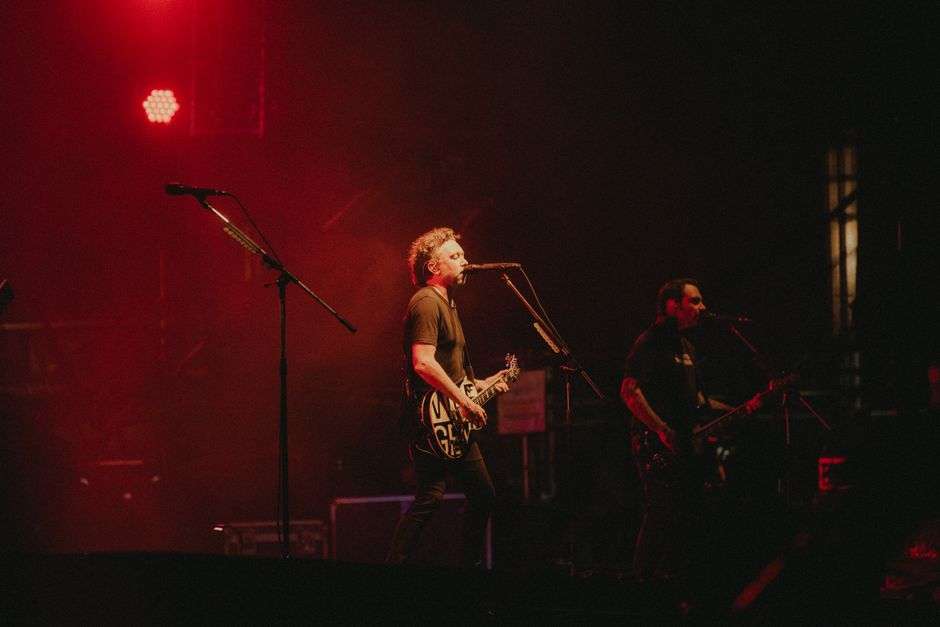
Mobile music fans looking for a night that refuses to sit still in one genre have a show worth marking on the calendar. Alchemy Tavern is set to host a lineup billed as the “Alabama Mix-Up,” bringing together four bands that share Alabama roots but otherwise have almost nothing in common musically. The pairing is intentional: rather than building a bill around a single style, organizers grouped together acts spanning horror punk, indie rock, traditional punk and shoegaze-tinged noise rock, betting that variety will be the draw as much as any individual act.
The format asks something different of an audience than the standard genre night does. Instead of four bands playing variations on one sound, listeners will move between four very different moods over the course of one evening, from horror-themed punk theatrics to fuzzy, dreamlike guitar music. Bills like this have become something of a signature for smaller Mobile venues looking to introduce local audiences to touring and out-of-town acts alongside familiar hometown names.
Post Mortem Delirium anchors the heavy end
Post Mortem Delirium anchors the metal-and-horror-punk end of the bill. The band has spent recent months touring around the Southeast, building a reputation for high-energy, no-holds-barred sets, and returns to Mobile as part of a trio of local acts on this bill. Horror punk as a style leans on the theatrical: macabre imagery, driving tempos and a stage show that treats the performance as something closer to a midnight movie than a standard rock set.
Bands that log months on Southeastern circuits tend to come home tighter than they left, and that road experience shows in the kind of relentless pacing the band has become known for. For Mobile audiences, the return date offers a chance to catch a hometown act that has been sharpening its show in front of out-of-town crowds and bringing that polish back to the stages where it started.
The Mustachios and the power pop lane
The Mustachios sit at the opposite end of the sonic spectrum. The quartet leans into indie and modern alternative rock, favoring clean vocals and tight instrumentation that edges toward power pop rather than the heavier sounds elsewhere on the bill. Where the horror punk end of the night aims for atmosphere and aggression, the Mustachios’ material runs on melody, hooks and the crisp arrangements that power pop has always prized.
The contrast is the point of a bill like this one. Power pop’s emphasis on precision makes it a natural palate cleanser between heavier sets, and audiences at mixed-genre shows frequently discover a new favorite band in exactly these in-between slots. For a Mobile crowd that supports a wide range of original music, the band’s style bridges the gap between the punk acts and the atmospheric closers that follow.
Dirty Mikes and traditional punk
Dirty Mikes rounds out the local contingent with a more traditional take on punk. The Eastern Shore group has built its identity on classic punk sound and stage delivery, giving the night another distinct flavor. Traditional punk, in the classic sense, is built on short, fast songs, blunt energy and a live presence that values immediacy over ornament, and the band’s Eastern Shore base adds a geographic note to the bill as well.
The Eastern Shore communities of Daphne, Fairhope and Spanish Fort have produced their own share of punk and alternative acts over the years, feeding bands across the bay into Mobile’s club circuit. Including an Eastern Shore group on a Mobile bill continues a long cross-bay tradition, one that has kept the metro area’s music scene connected despite the water between the two audiences.
Electric Sheep brings Birmingham fuzz
Representing Birmingham, Electric Sheep brings a stripped-down rock sound built on fuzzed-out guitars and vocals punctuated by bursts of drums. The city has long served as Alabama’s alternative music capital, with a venue and club network that has launched national acts across several decades, and Birmingham bands that tour the state regularly pass through Mobile’s smaller rooms. Electric Sheep’s stripped-down approach fits the aesthetic of the state’s underground circuit, where volume and texture often do the work that polish does elsewhere.
Fuzzed-out guitar rock rewards loud rooms, and Alchemy Tavern’s intimate floor is the kind of space where that sound works best. The band’s presence on the bill gives the Mix-Up its out-of-town anchor and gives Mobile listeners a sample of the Birmingham scene’s current output without the three-hour drive up Interstate 65.
Wray closes in atmosphere
Wray closes out the lineup with a dreamier, more atmospheric approach that draws comparisons to both shoegaze and noise rock. The style, built on layers of reverb-drenched guitars and melodies that float above the noise, has enjoyed a resurgence in American underground music, and Alabama acts have been part of that wave. Ending the night in atmosphere rather than aggression gives the bill an arc, moving the room from punk immediacy through pop and fuzz before landing in the late-set haze that shoegaze does best.
Sequencing a four-band bill is a craft of its own. A well-built night moves energy up and down so that no act plays to a burned-out room, and the Mix-Up’s arrangement, from horror punk through indie pop, traditional punk and finally the noise-rock dreamers, spreads its peaks across the evening. For listeners, the format works like a guided tour of the state’s independent scenes without ever leaving one downtown block.
Alchemy Tavern’s role in the Mobile scene
Alchemy Tavern has increasingly served as a hub for these kinds of eclectic bills, giving Mobile County audiences a chance to catch emerging bands from around the state without leaving downtown. The venue’s footprint in the local scene reflects a broader truth about mid-sized Gulf Coast cities: the clubs that survive are the ones willing to book across genres, mixing touring acts with local regulars and letting the audience decide what it likes.
Small venues carry the early careers of nearly every band that eventually outgrows them, and Mobile’s scene has historically depended on a handful of rooms that take chances on mixed bills. Nights like the Alabama Mix-Up also serve the bands’ economics, since a shared show pools four fan bases into one audience, giving each act a larger crowd than it might draw alone on a weeknight.
For fans, the practical appeal is simple: one night, one cover, four bands, four genres. The Alabama Mix-Up brings together horror punk from Post Mortem Delirium, the indie and power pop leanings of the Mustachios, the traditional punk of the Eastern Shore’s Dirty Mikes, Birmingham’s fuzz-heavy Electric Sheep and the shoegaze-tinged atmosphere of Wray, all under one roof in downtown Mobile. On a bill like this, the surest prediction is that nobody in the room leaves having heard only one kind of music.
Horror punk, the style Post Mortem Delirium works in, has one of the longest lineages of any underground genre, tracing back to the California bands that first married B-movie imagery to breakneck punk tempos in the late 1970s. The style has never lost its Gulf Coast following, where the theatrical streak in the music translates well to club stages. A band working in that tradition carries a visual obligation along with the musical one, and audiences at horror punk shows expect the full presentation, from the look of the players to the pacing of the set.
The Mustachios’ corner of the bill, the indie and modern alternative space, has historically been the largest talent pool in Alabama college towns and cities alike. Power pop’s requirements are unforgiving in their own way: the genre exposes any looseness in a band’s playing, since the songs live on harmony and precision rather than volume. A quartet that keeps its instrumentation tight while maintaining clean vocals has done the unglamorous work that separates lasting indie acts from weekend projects.
Traditional punk, meanwhile, remains the backbone of club-level live music across the South. The style’s demands are stamina and sincerity, and bands that commit to it tend to build loyal local followings that show up regardless of the rest of the bill. Dirty Mikes’ Eastern Shore identity gives the band a home base across Mobile Bay while keeping it squarely within the metro scene’s regular circuit of rooms, a geography that has defined the area’s punk community for decades.
Electric Sheep’s Birmingham pedigree connects the bill to the state’s most storied rock city. Birmingham’s scene has cycled through waves of garage, punk and heavy music for two generations, and its bands have long treated the interstate corridors to Mobile and the Gulf as their touring spine. A fuzz-driven, drum-punctuated rock band from that city adds credibility to a mixed bill and gives the Alabama Mix-Up its name a second meaning: the state’s biggest city and its port city sharing one stage.
Wray’s shoegaze and noise rock territory rounds out the genres on display, and its placement at the end of the night reflects how atmospheric music functions in a club. Shoegaze builds its effect cumulatively, layering guitar textures until the room feels submerged in sound, and that approach lands most effectively later in an evening, when the audience has settled in rather than arriving. The genre’s revival among younger Alabama bands has given the state’s underground a reputation for range that bills like this one showcase directly.
Mixed-genre bills also change how the audience behaves across the night. Rather than the front-to-back fandom of a single-genre show, listeners drift toward the stage for the acts they came to hear and use the others as discovery time. Venue operators like that rhythm, because it keeps the room active from doors to last call, and bands benefit from playing to listeners who did not buy a ticket specifically for them.
For the four Alabama acts, the night is also a networking exercise. Sharing a green room with bands from different scenes and styles is how lineups, tours and collaborations get started in a state whose music communities are separated more by distance than by rivalry. The Alabama Mix-Up format, whatever its name suggests, ultimately works as infrastructure for the state’s independent music economy, one shared bill at a time.
Music fans planning to attend should expect the range to be real: a night that opens in horror punk’s theatrical aggression, detours through the melodic discipline of power pop, resets with traditional punk’s blunt energy, detours again through Birmingham fuzz, and closes in the reverb-heavy wash of shoegaze and noise rock. Few rooms in Alabama offer that span in a single evening, which is precisely the bet the Alabama Mix-Up is making at Alchemy Tavern.