

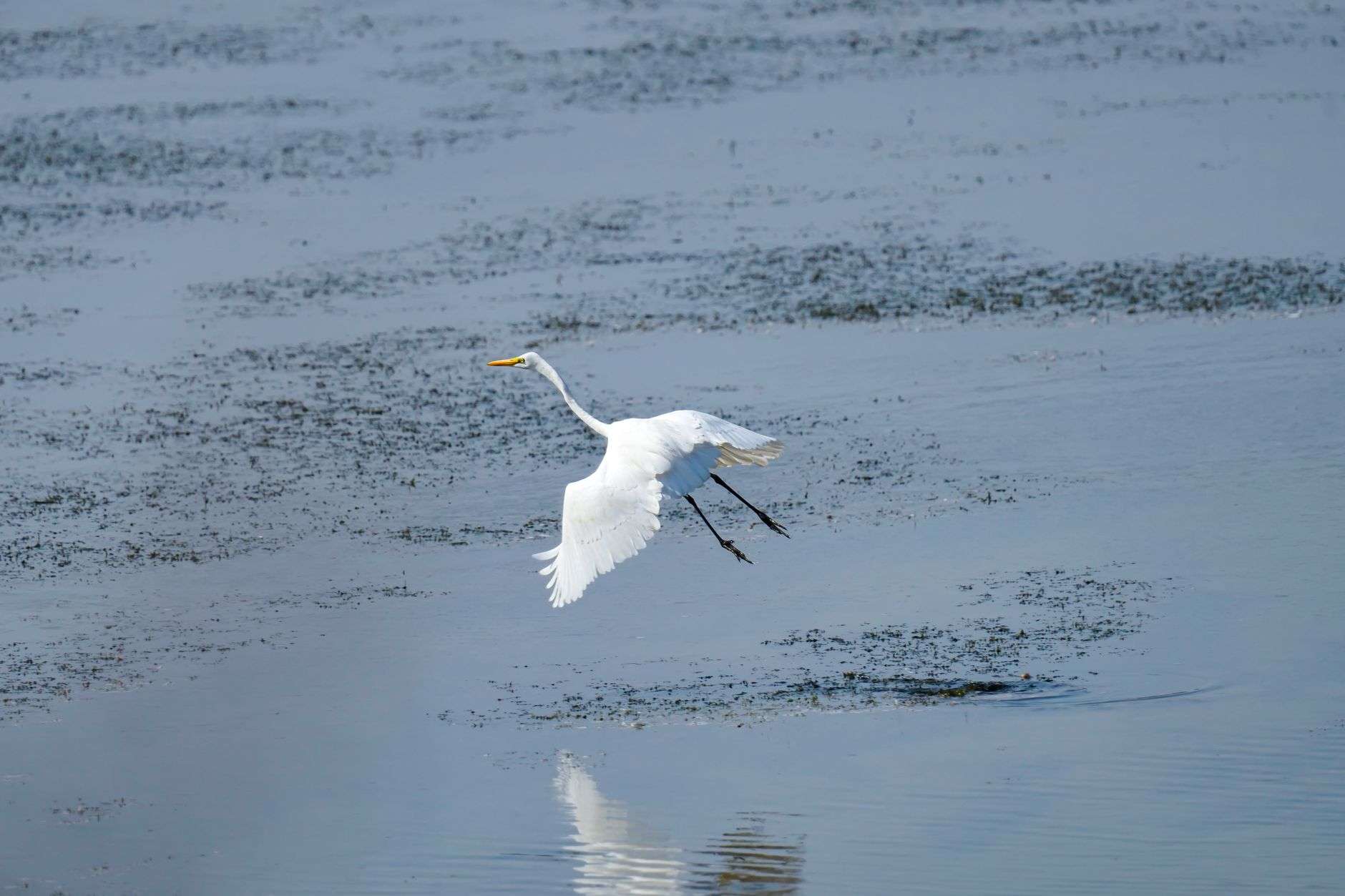
Some people come to Dauphin Island for the beach. Coralie Toomey comes for the birds. A lifelong Mobile resident who has shared a second home on the island with her husband, John, for more than 25 years, Toomey has spent the last several years exploring its marshes, woods and shorelines with a camera in hand, capturing the herons, egrets, shorebirds and migrating songbirds that make Dauphin Island birding among the best on the Gulf Coast.
Her photography is just one of many passions. Toomey grows award-winning camellias and shows her blooms at the Camellia Club of Mobile’s annual camellia show each January. She also plays the piano, taking weekly lessons and performing in recitals throughout the year, including the annual Sonata Competition featuring the works of Mozart, Beethoven and Haydn.
In a wide-ranging conversation in 2022, she shared what keeps drawing her back to the island, how she became a wildlife photographer and where visitors should go to see the island at its best.
A Photographer Who Taught Herself
Toomey’s interest in photography “got more serious” about three or four years before that conversation. She wanted to get closer to the abundant birds, wildlife and plant life found throughout the coastal area.
“I can get lost in time when I’m out with my camera,” she said.
She is self-taught and says she learns something new every day about the subjects she captures. Her gear is straightforward: a Nikon D3400 camera body and, for long-distance close-ups, a Tamron 150-600mm telephoto lens. Long zoom lenses like that are a favorite among bird photographers because they allow close, detailed shots without disturbing wildlife, which is especially important for skittish wading birds and nesting shorebirds.
Her start came from simple curiosity. “I’ve always loved the birds, both at our home in Mobile and at our home at Dauphin Island,” she said. “I began riding my bike all over the island and would see and hear birds in trees or in water along the roads. In the spring, I would see all these people with binoculars and cameras watching little movements, and I was amazed at the license plates from all over the place. I couldn’t stand it any longer. I had to be one of those people!”
So she asked for a camera for Mother’s Day, and told her family it could count as her gift for every occasion that year. “That was a very good year for me!” she said.
A Family History Tied to the Bridge
Toomey has been coming to the island off and on since childhood, drawn by “the sun, the water, the salt air, and the smell of the pines.” Her husband’s roots there run even deeper. John has been visiting all his life, and his grandfather, John Toomey, was instrumental in getting the original bridge to the island built in the mid-1950s.
That bridge transformed Dauphin Island, opening what had been a remote barrier island to cars, residents and visitors. The original span was destroyed by Hurricane Frederic in 1979, and the current high-rise bridge that carries traffic over Mississippi Sound today replaced it in the early 1980s.
In 1992, the Toomeys began renting the house they would later buy and still own. “The Island holds an amazing community of people,” Coralie said. “Island life is laid back, relaxed and peaceful. A rainy day on the island is better than a sunny day anywhere else.”
Why Birders Flock to Dauphin Island
Those license plates from far-off states are no accident. Dauphin Island sits at the mouth of Mobile Bay, and for many songbirds crossing the Gulf of Mexico from Central and South America each spring, it is one of the first patches of land and trees they reach. When weather conditions force exhausted migrants down, the island’s woods can fill with warblers, tanagers, orioles, buntings and other colorful species, an event birders call a fallout. The fall migration brings another wave as birds head south again.
The island is a key stop on the Alabama Coastal Birding Trail, and its combination of maritime forest, freshwater ponds, salt marsh and beach draws a remarkable variety of species throughout the year. Organized birding events and guided walks in the region regularly draw visitors from across the country.
Her Favorite Places to Shoot
Toomey has a short list of go-to spots, and she knows timing matters as much as location.
“I love the ‘Airport Marsh.’ It is a salt marsh that attracts many herons and egrets, as well as other types of birds. The tide makes a difference,” she said. “I have found that if it’s too high or too low, fishing isn’t so good for the birds.”
During spring and fall migration, she always checks the Indian Shell Mound Park and the Goat Tree Reserve. She also enjoys walking the landlocked pier and heading down the steps to the beach to look for shorebirds, whose names she is still learning. “All those little birds look so similar!” she said.
The local birding community helps, too. “A really nice thing is that birders/photographers will share where they’ve seen birds,” she said. “Of course, the bird might not be sitting there waiting for me but it’s a good start!” She has also learned that birds love mulberry and bottlebrush trees, which are worth watching closely during migration.
The Island’s Bird Sanctuaries
The Dauphin Island Bird Sanctuaries protect several of the island’s most important habitats, including the Audubon Bird Sanctuary and the Goat Tree Reserve. The historic Indian Shell Mound Park, named for the shell middens left by Native Americans who harvested oysters there centuries ago, is shaded by old live oaks and is another prime birding location.
“The Audubon Bird Sanctuary offers wonderful trails for walking. There is a freshwater lake with turtles, water lilies right now, and a resident alligator,” Toomey said. “The Goat Tree Reserve is another great birding site. The Indian Shell Mound Park is the best place to begin looking for migratory birds. There are areas protecting birds from the wind and predators, and areas that hold water that attract birds.”
She also offered a word of caution for anyone exploring the trails: “Just look down as you look up, and walk heavy because there are snakes… naturally, it is their home.”
“I love these places because they put me right with the sounds and peacefulness that nature brings,” she said.
Camellias, Sonatas and Patience
Toomey’s other hobbies connect her to some of Mobile’s most cherished traditions. The camellia is Alabama’s official state flower, and the Mobile area, with its mild winters and acidic soils, has long been one of the country’s great camellia-growing regions. Camellias bloom in the cooler months, which is why local shows are held in winter, when growers bring their best blossoms to be judged on form, size, color and condition. Winning ribbons at such a show takes years of careful cultivation, from choosing varieties to pruning and protecting blooms from frost.
Her piano studies reflect the same patient dedication. Preparing sonatas by Mozart, Beethoven and Haydn for competition requires steady practice and close attention to detail, qualities that carry over naturally to waiting quietly in a marsh for a heron to strike or a warbler to step into the light.
Beyond the Birds
When she isn’t behind the lens, Toomey enjoys the island’s quieter pleasures. She recommends visiting its two art galleries and browsing the boutiques and gift shops, including the gift shop at the aquarium. Early risers, she said, will love the sunrises, and the sunsets are gorgeous.
For anyone spending a day on Dauphin Island, her must-do list is simple:
- Visit the aquarium. “It is wonderful,” she said. The Alabama Aquarium at the Dauphin Island Sea Lab showcases the habitats of coastal Alabama, from the Mobile-Tensaw Delta to the Gulf.
- Tour Fort Gaines. “The history throughout the fort will amaze you.” The 19th-century brick fort guarded the entrance to Mobile Bay and played a role in the 1864 Battle of Mobile Bay.
- Relax on the beach. “Sit on the beach and fall asleep listening to the surf…better take an umbrella!”
- Paddle the north side. Kayak rentals are available for exploring the calmer waters on the island’s north side.
- Ride a bike. Bike rentals make it easy to explore, and the island’s bike paths are a favorite way to get around.
- Hire a fishing guide. The waters around the island offer excellent fishing year-round.
Tips for Birding Dauphin Island
For those inspired to follow in Toomey’s footsteps, a few general tips can make a visit more rewarding:
- Plan around migration. Spring migration generally peaks from late March through early May, and fall migration runs from roughly September into October.
- Watch the weather. Northerly winds and storm fronts in spring can bring large numbers of migrants down onto the island.
- Mind the tides when visiting the marshes, as Toomey notes, since wading birds feed best at moderate water levels.
- Bring binoculars, water, insect repellent and sturdy shoes, and stay on marked trails.
- Give nesting birds and wildlife plenty of space, and never feed alligators.
“You might not ever want to leave,” Toomey said of the island. “I know I don’t!”