

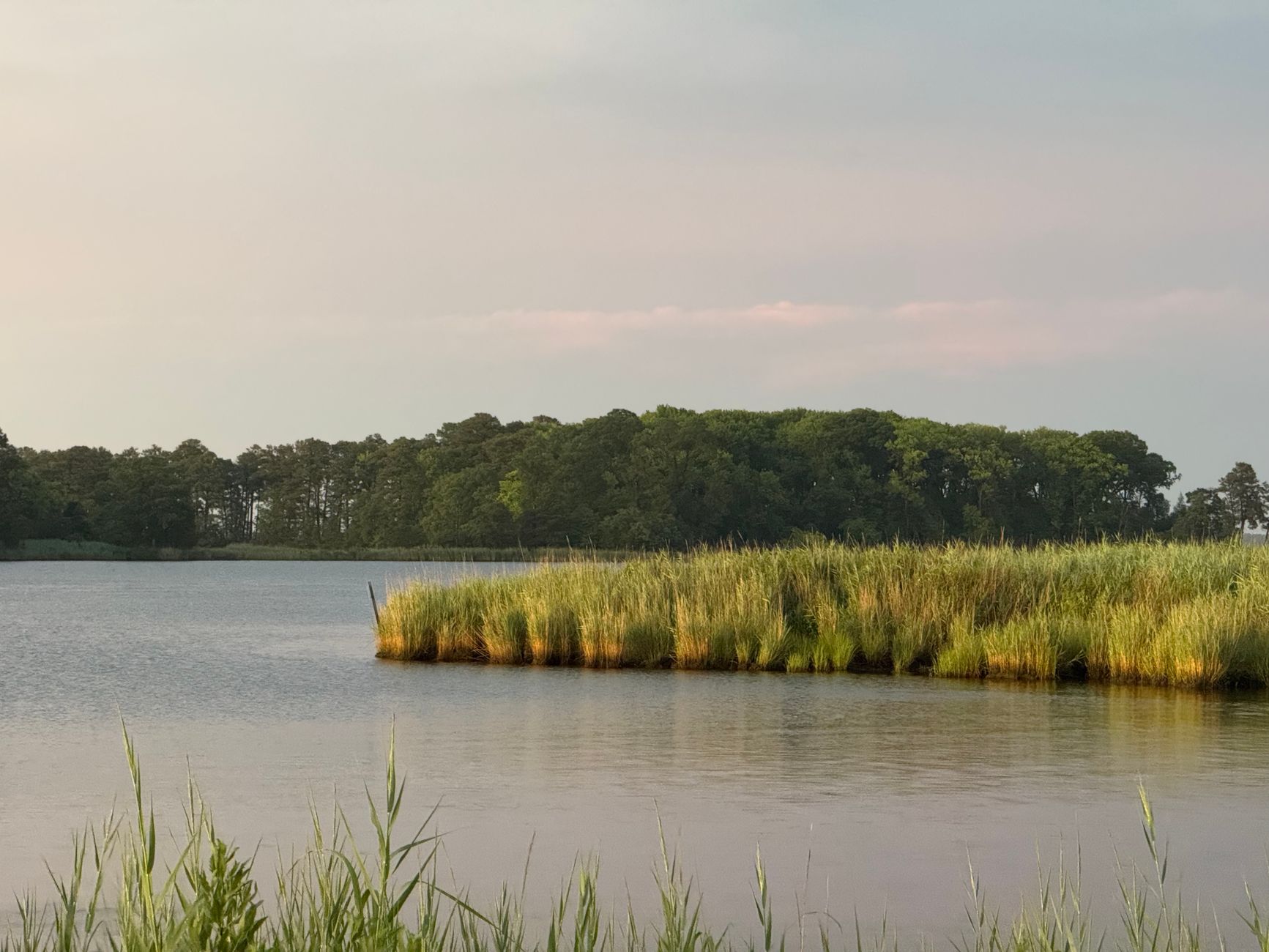
Ask someone who grew up on Mobile Bay how the water has changed, and you are likely to get a long answer. For one lifelong Mobile resident who spent every summer from Memorial Day to Labor Day in Point Clear, the changes along the coast over a lifetime have been a real cause for concern. His conclusion is simple: protecting Gulf Coast waters is a job that will take the entire community, not just scientists and conservation groups.
That message is at the heart of a call to action he laid out in 2023, urging residents to learn what is happening to the rivers, bays and estuaries of coastal Alabama and to get involved in protecting them.
Waters That Define a Way of Life
For generations, the waters of the Alabama coast have shaped daily life. People swim, sail, water ski, kiteboard and explore. They pull trawl nets, go crabbing, cast for mullet, gig flounder at night and chase the many species of fish that make local seafood so prized. For others, the water is a livelihood, supporting shrimpers, oystermen, charter captains and the many businesses that depend on tourism and seafood.
Those waters are also a major reason so many people choose to move to the area. Understanding the pressures on them, he argues, matters for everyone who lives here or hopes to.
“I’m no scientist,” he wrote, but he has watched the changes firsthand. You do not need to be a marine biologist, he noted, to grasp the main forces that have transformed marine life and habitat along the coast.
Hardened Shorelines and Lost Habitat
Erosion is a natural part of coastal life. Storms, currents, tides and shifting climate reshape the shoreline constantly, and generations ago people understood that building too close to the water invited disaster when the next big hurricane arrived. That hasn’t changed.
What has changed, he wrote, is how close people now build to the water and how they respond when the shoreline moves. Property owners installed jetties and bulkheads to hold land in place. When one property hardened its shoreline, erosion often shifted to the neighbor, who then built a bulkhead or jetty of their own. One by one, down the line, natural shorelines disappeared, until in places the bays became what he described as “bathtubs.”
The effects on habitat have been significant. Fish, crabs, oysters and other marine life depend on seagrass beds and natural wave action. As shorelines hardened, he wrote, pinfish, croakers and oyster beds declined. Silt, dredging and runoff cloud the water, carrying chemicals, while sewage spills introduce harmful bacteria.
Scientists and coastal managers have increasingly promoted “living shorelines” as an alternative to bulkheads in suitable locations. These projects use marsh plants, oyster reefs, rock sills and other natural materials to reduce erosion while preserving habitat, and they have been installed at sites around Mobile Bay in recent years.
Growth, Pavement and Runoff
Another major factor is development. Roofs, roads and parking lots are impervious surfaces, meaning rainwater cannot soak into the ground where soil and vegetation would naturally filter it. Instead, stormwater rushes into ditches, creeks and rivers, carrying sediment, fertilizer, oil and other pollutants into the bay.
“Growth has not been Mother Nature’s friend,” he wrote, while acknowledging that it would be foolish to expect growth to stop, though he hopes it will not continue unchecked. Coastal Alabama, especially Baldwin County, has been among the fastest-growing regions in the state, and that growth places increasing pressure on water and sewer infrastructure as well as on natural areas.
The Mobile Bay watershed is vast. The Mobile River basin drains much of Alabama along with parts of Mississippi, Georgia and Tennessee, meaning that what happens far upstream eventually reaches the bay. Local choices about development, stormwater and wastewater still make a direct difference in local waters.
Many Groups, Complementary Missions
The good news, he emphasized, is that many organizations are working to understand and solve these problems. Andrew Saunders, a former state board chair of The Nature Conservancy in Alabama, once told him it is a good thing the coast has so many conservation groups. “They each have their role, and more people get involved,” Saunders said.
Among the organizations and efforts he highlighted:
- Dauphin Island Sea Lab: Working with the University of South Alabama, the Sea Lab trains new marine scientists every year and studies threats to marine life. Researchers work with the Alabama Deep Sea Fishing Rodeo to study fish brought to the weigh-in, and several rodeo species are judged under catch-and-release rules.
- Coastal Conservation Association: Works with state wildlife agencies to improve habitat and keep recreational fishing strong without depleting fish populations.
- South Alabama Land Trust: Identifies threatened wetlands and estuaries and works to purchase and preserve them.
- Mobile Baykeeper: Monitors local waters to help ensure they are safe for swimming and for eating local seafood, and works to reduce pollution.
- Alabama Audubon: Studies how development along nesting beaches affects migratory birds.
- Sea turtle programs: Volunteers locate and protect sea turtle nests on coastal beaches.
- Oyster efforts: Groups focused on oysters help explain the changes that have affected natural oyster reef populations, while shrimpers see habitat changes reflected in their harvests.
He also pointed to individuals who have championed the Mobile-Tensaw Delta, the vast river swamp north of the bay often called America’s Amazon for its extraordinary biodiversity. Among them are journalist and filmmaker Ben Raines, Point Clear naturalist Jimbo Meador and the late E.O. Wilson, the Alabama-raised Harvard biologist who spent part of his boyhood exploring the Mobile area and became one of the world’s most celebrated scientists.
Concerns Beyond Mobile Bay
The challenges are not limited to Alabama’s side of the state line. Water quality in Pensacola Bay and its tributaries continues to be monitored after generations of chemical impacts, and Perdido Bay has seen sewage spills that made the water unsafe for swimming at times. Across the region, aging infrastructure and heavy rains can combine to overwhelm wastewater systems.
Why Everyone Needs to Be Involved
The central point of his appeal is that solutions require universal buy-in. Around the world, he noted, the places that have succeeded in restoring seagrass, rebuilding oyster reefs and improving marine habitat have done it with broad community support.
He argued that meeting minimum regulatory standards will not be enough and that residents must hold public and private entities accountable. With growth putting more pressure on the natural environment than ever, he urged people to:
- Educate themselves about the issues affecting local waters.
- Find a conservation organization whose mission resonates and support it through volunteering, membership or donations.
- Pay attention to local decisions about development, stormwater and sewer infrastructure.
- Take simple steps at home, such as reducing fertilizer use, keeping litter out of storm drains and considering living shorelines instead of bulkheads.
“Our personal quality of life is at stake,” he wrote. “Let’s do this together!”