

The Ole Barnwell Cafe is now serving Southern staples at a familiar location on US 98 in Fairhope, breathing new life into a building that has fed eastern Baldwin County travelers for the better part of a century. Located at 8594 U.S. 98, the structure dates back to the 1930s and has been home to a succession of dining establishments over the decades, including the Blue Marlin Restaurant and the Delta Grocery Restaurant, both of which built loyal followings among commuters and Barnwell community residents.
The building’s owners, Robert and Irene Comalander, still live just steps away from the property, a proximity that has made them fixtures of the small Barnwell community that grew up around the highway corridor north of Fairhope. The property reopened in March as the Ole Barnwell Cafe, operated by Cooper Restaurants, a division of the Cooper Group of Companies founded by brothers David Cooper Sr. and Angus Cooper II. The Cooper organization is one of the Gulf Coast’s best-known hospitality and industrial names, and it also owns Felix’s Fish Camp on the causeway along Mobile Bay, a destination restaurant that has drawn diners across the bay for years.
A Historic Location With Deep Community Roots
Manager Jared Lisenby said the relationship with the Comalanders has been central to getting the new restaurant off the ground. “They’re fantastic,” Lisenby said of the Comalanders. “They’re community staples here in Barnwell, and they’ve honestly been integral to getting us set up.” He added that the history of the site was part of its draw. “This is a really historic location,” Lisenby said. “Barnwell is very community-driven, and it’s been really nice to get to know the people here.”
Barnwell itself is an unincorporated community along US 98 on the northern edge of Fairhope, a stretch of highway that has grown rapidly as eastern Baldwin County’s population has climbed. The road carries commuter and beach traffic between Mobile Bay communities and the fast-growing towns to the east, making a landmark restaurant at a recognizable historic building a natural stop for regulars and passersby alike. Longtime residents remember the site under its previous names, and the new operators have leaned into that continuity rather than replacing it.
Steaks, Seafood and Southern Specials
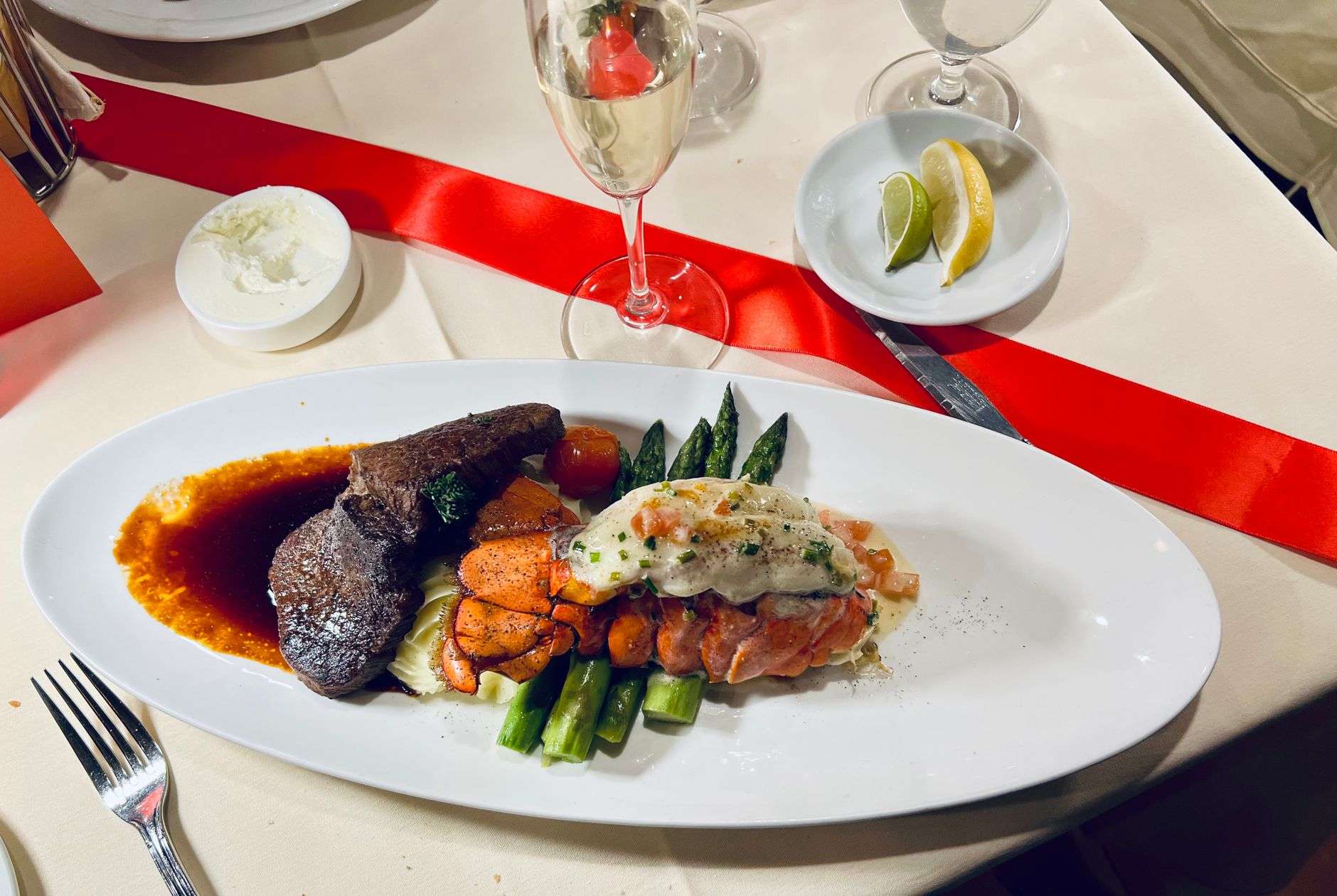
The menu at Ole Barnwell Cafe leans into the Gulf Coast kitchen tradition, specializing in steaks and seafood. Diners will find ribeyes and filets alongside shrimp, soft shell crab, fish and gumbo, a lineup that mirrors the surf-and-turf approach that made Felix’s Fish Camp a regional favorite. The kitchen also serves weekly specials and chef features ranging from Southern fried chicken to pork chops with jambalaya, giving regulars a rotating reason to come back midweek rather than only on weekends.
The emphasis on both plated steaks and fried seafood reflects the dual identity of Baldwin County dining, where inland farm and ranch traditions meet the working waters of Mobile Bay and the Gulf. A plate of fried shrimp or a bowl of gumbo sits comfortably next to a ribeye on menus across the region, and the Ole Barnwell Cafe’s version of that combination is aimed squarely at the family dinner crowd that has long sustained the restaurants that preceded it at the site.
Hours Now and This Fall
Ole Barnwell Cafe is currently open Thursdays from 5 to 9 p.m. and Friday through Sunday from 11 a.m. to 9 p.m., an abbreviated schedule that lets the kitchen build its rhythms with the lunch and dinner crowds before expanding. Hours will change starting in September, with the restaurant open Tuesday through Saturday from 4 to 9 p.m. and Sundays from 11 a.m. to 3 p.m., a shift that moves the operation to a six-day dinner-focused week with a Sunday midday service.
For residents of Fairhope’s northern outskirts and travelers along US 98, the reopening restores a landmark that has anchored the Barnwell community for generations. With the Comalander family still next door and the Cooper organization’s restaurant experience behind the kitchen, the Ole Barnwell Cafe is positioned to become a regular stop for the same audience that kept the building’s earlier restaurants busy — locals who want a familiar plate of Southern cooking close to home, and passing drivers who have been pulling into the same parking lot since the building first opened its doors in the 1930s.
The revival of a 1930s-era roadhouse into a modern steak-and-seafood kitchen also says something about the trajectory of US 98 through Baldwin County. What was once a rural highway dotted with country grocery-cafes now runs through one of the fastest-growing corridors in Alabama, and each new subdivision along the route brings more traffic past the old Barnwell landmark. Restaurants that survive in that environment tend to be the ones that pair a sense of place with consistent execution, which is the niche the Ole Barnwell Cafe is aiming to fill.
The Cooper Group’s restaurant arm brings substantial institutional knowledge to that effort. In addition to Felix’s Fish Camp on the Mobile Bay causeway, the Cooper organization has been a visible presence in the region’s hospitality scene, and its decision to operate a location in Barnwell signals confidence in the growth of the Fairhope area’s northern reaches. For the Comalander family, who have owned the building through its Blue Marlin and Delta Grocery Restaurant eras, the partnership keeps the property in active restaurant use rather than seeing it converted to another retail use as the corridor develops.
Why Historic Dining Rooms Matter Along the Corridor
Eastern Baldwin County has seen most of its commercial growth in newer construction along highways 98 and 181 and the state beach routes, which makes surviving pre-war buildings increasingly rare. A 1930s structure that has continuously served food through multiple generations is a tangible link to the era when US 98 was the main artery connecting Mobile Bay communities to the farming settlements to the east. Locals often measure milestones by such places — the fish plates after church, the after-game dinners, the morning coffee stops — and the new cafe’s operators have made a point of honoring that memory in both name and menu.
The name itself, Ole Barnwell, signals the intent to be read as a continuation of the community’s story rather than an insertion into it. Management’s early weeks have focused on word-of-mouth among Barnwell and Fairhope residents, with Lisenby noting that getting to know the people of the community has been among the best parts of the opening. That approach mirrors how the building’s earlier restaurants earned their followings: by serving the immediate neighborhood first and letting the highway traffic discover them second.
What Diners Can Expect
The kitchen’s core offerings — ribeyes, filets, shrimp, soft shell crab, fish and gumbo — cover the two appetites that define Gulf Coast dining rooms, and the weekly specials and chef features give the menu room to roam through Southern classics like fried chicken and pork chops with jambalaya. Portion sizes and family-style service have long been the norm at the site’s earlier restaurants, and the new operation is expected to keep that tradition given the audience of local regulars and weekend travelers.
With the September schedule shift bringing six-day dinner service and Sunday lunch, the cafe will be positioned to serve both the weekend beach crowd returning along US 98 and the weeknight dinner trade from Fairhope, Barnwell and the surrounding communities. For now, the restaurant’s Thursday-through-Sunday hours align with the traditional peak days for destination dining on the Eastern Shore, allowing the staff to refine service before the fuller schedule begins.
The reopening adds one more chapter to a building that has outlasted decades of change along the highway, and it preserves a gathering place that communities like Barnwell tend to lose as growth reshapes the corridors around them. Whether residents come for a ribeye, a bowl of gumbo or a plate of fried shrimp, the Ole Barnwell Cafe’s promise is continuity — the same doors, the same community, and a kitchen that understands what the people who have been driving past the building for generations expect when they pull in.
For diners curious about the transition, the difference between the Ole Barnwell Cafe and its predecessors starts with the scale of the operation behind it. The Blue Marlin and Delta Grocery Restaurant eras were smaller, family-run affairs, typical of the independent country kitchens that once lined Alabama’s rural highways. The new cafe operates with a larger staff, a broader menu and the buying relationships of a restaurant group, which means more consistent hours and a wider selection without losing the core identity of the site as a neighborhood eating house.
That balance is deliberate. Lisenby has emphasized in his early weeks that the Comalander family’s guidance shaped how the opening was handled, from the way regulars were welcomed during the first services to the decision to keep the building’s character intact rather than renovating it into a generic dining room. The Comalanders’ decades on the property gave the new operators a ready-made map of the community — who comes on Thursdays, what the church crowds order on Sundays, which dishes the commuter traffic asks for at the counter — and that knowledge is visible in how the early schedule was structured.
The Broader Dining Picture in Eastern Baldwin County
The timing of the opening also fits the wider dining boom along Alabama’s Eastern Shore. Fairhope’s downtown has become one of the region’s most competitive restaurant markets, with new concepts opening steadily along Section Street and the surrounding blocks. North of downtown, the US 98 corridor has followed with its own growth, and the Barnwell area sits at the crossroads of that expansion, close enough to draw Fairhope and Daphne residents while still serving the rural stretches of the highway toward Silverhill and Robertsdale.
In that market, a historic building with a known name is a genuine advantage. Chains and new builds compete on convenience, but a roadhouse that has anchored the same corner since the 1930s offers something they cannot: continuity. The Ole Barnwell Cafe’s operators appear to understand that the building itself is part of the menu, and the response from the community in the first weeks suggests the approach is working.
Looking Ahead to the Fall Schedule
When the September hours take effect — Tuesday through Saturday from 4 to 9 p.m. and Sundays from 11 a.m. to 3 p.m. — the cafe will settle into a rhythm built around the dinner hour six nights a week plus a proper Sunday midday service, a schedule common among Gulf Coast family restaurants that close one weekday for staff and deep cleaning. Residents planning weeknight visits should note the change, since the current Thursday-only weekday dinner service will end with the shift.
Between now and then, the kitchen continues to build its following with the steak and seafood core menu plus the rotating specials, and management has indicated the chef features will keep evolving with what is fresh and available from regional suppliers. Soft shell crab, in particular, follows a seasonal pattern in Gulf waters, and gumbo and the fried platters tend to anchor the cooler-month menus as summer heat fades.
For a community that has watched restaurants come and go along the highway, the reopening of the old Blue Marlin and Delta Grocery site under a name that honors the neighborhood is being read as a vote of confidence in Barnwell itself. The Comalanders next door, the Cooper organization behind the kitchen, and a dining room that has served eastern Baldwin County since before World War II all point the same direction: the Ole Barnwell Cafe intends to be on US 98 for the long run, serving the same tables its predecessors did, with a menu built on the steaks, shrimp and Southern plates that have always brought people through the door.