Mobile County Health Department Honors Disease Detectives on National DIS Recognition Day
The Mobile County Health Department joined agencies nationwide Friday in observing Disease Intervention Specialist Recognition Day, honoring staff who trace contacts, link patients to care and recently earned national certification.
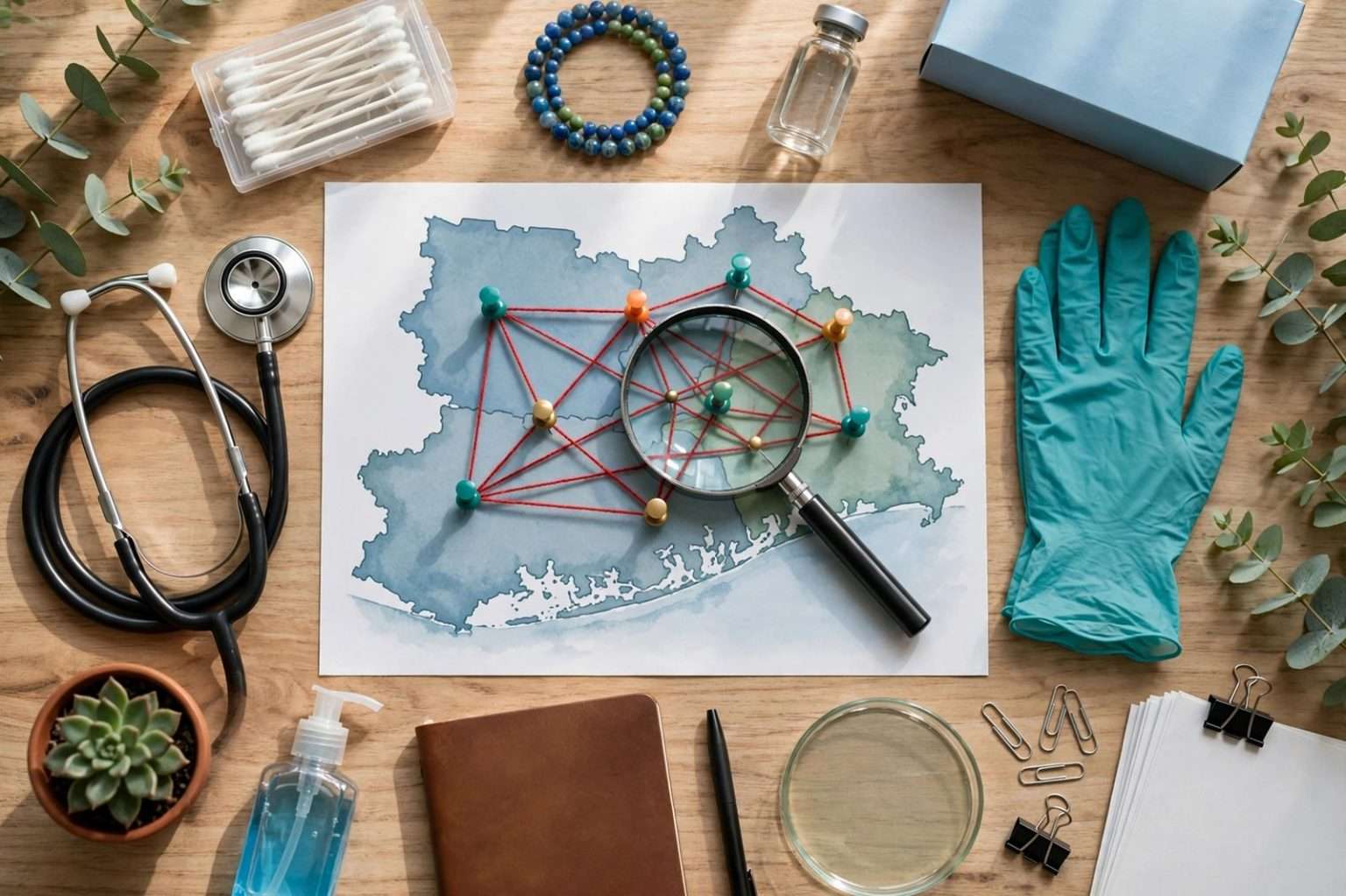
MOBILE, Ala. — The Mobile County Health Department marked Disease Intervention Specialist Recognition Day on Friday, joining health departments nationwide in honoring the workers who track down infections, notify people who may have been exposed and help connect patients to treatment. Friday marked the 15th annual national observance, which is held each year on the first Friday of October.
The health department described its disease intervention specialists, often called DIS, as the backbone of infectious disease prevention and control. This year’s national theme is “The Rhythm of Public Health,” which the department said honors the harmony among the partnerships, collaborations and communities involved in disease intervention.
“I am proud to recognize the tremendous efforts of MCHD’s disease investigators. They work on the front lines of public health to reduce disease and death in our community,” said Dr. Kevin Michaels, health officer for Mobile County.
What Disease Intervention Specialists Do
Disease intervention specialists are public health workers based in health departments and community health centers. Their core duties include contact tracing, partner services and emergency response. In practical terms, when someone is diagnosed with certain reportable infections, DIS staff may reach out to the patient, confidentially identify people who may have been exposed, and help those contacts get tested and, if needed, treated.
The work depends on a specific set of skills. According to the health department, DIS staff rely on communication, counseling, interviewing, case analysis and community engagement to respond to disease threats. Those threats include:
- Tuberculosis
- Sexually transmitted diseases
- HIV
- Rabies
- Other vaccine-preventable diseases
Because many of these conversations involve private health information, the job requires discretion and the ability to build trust quickly with people who may be worried, frightened or reluctant to talk. Contact tracing works only when people are willing to share information, so a specialist’s ability to listen and explain can determine whether an outbreak is contained.
Partnerships in Mobile County
The health department said its DIS team works closely with community health care providers and service organizations to raise awareness about disease prevention. A key goal is making sure people who are diagnosed are linked to treatment and stay in care.
As one example, the department said its DIS staff have worked with academic partners in the “Ending the HIV Epidemic” initiative to advocate for testing and preliminary treatment. Ending the HIV Epidemic in the U.S. is a federal public health effort focused on expanding diagnosis, treatment and prevention of HIV in communities across the country.
Linkage to care matters because a diagnosis alone does not stop the spread of an infection or protect a patient’s long-term health. Specialists help bridge the gap between a positive test result and a first appointment, and then help patients remain in treatment over time.
Watching Trends and Responding to Outbreaks
Beyond individual cases, Mobile County’s DIS team monitors trends in other infectious diseases, including tuberculosis and congenital syphilis, so the department can launch timely interventions. Congenital syphilis occurs when the infection passes from a pregnant person to a baby, which is why public health agencies place a strong emphasis on testing and treatment during pregnancy.
The health department noted that the job is not limited to regular office hours or to sexually transmitted infections. DIS staff brave unsafe conditions, work nights and weekends, and respond to crises outside of STD and HIV prevention. The department listed past responses to outbreaks involving:
- Pertussis, also known as whooping cough
- H1N1 influenza
- E. coli
- COVID-19
- Other outbreaks
The COVID-19 pandemic brought contact tracing into the public spotlight, but disease intervention specialists had been performing that kind of work for decades before 2020 and continue to do so for a wide range of illnesses.
Team Earns National Certification
The recognition day comes shortly after a professional milestone for the Mobile County team. In August, the department’s DIS staff passed the National Disease Intervention Specialist Certification Examination. That achievement officially recognizes them as Nationally Certified Disease Intervention Specialists, or CDIS.
In its statement for the observance, the health department praised the team’s expertise:
“The DIS staff are incredibly skilled investigators and contact tracers and champions of prevention measures like vaccination, testing, and treatment. They remain a trusted resource for their clients and community partners, and they have my highest gratitude and respect for their commitment to improving health.”
The department also thanked its staff members for their commitment to public health, their dedication to community education and their resilience in the face of new challenges.
What It Means for Residents
For most residents, disease intervention work happens out of view. A phone call or visit from a health department specialist usually means a person may have been exposed to an infection and could benefit from testing or treatment. Public health officials encourage people who are contacted to respond, because early testing and treatment can protect both the individual and the people around them.
Information shared with disease intervention specialists is handled confidentially. When a specialist notifies a partner or contact of a possible exposure, the general practice in partner services is not to reveal the identity of the person who was diagnosed.
Residents who want to be tested for sexually transmitted infections, HIV or tuberculosis, or who have questions about vaccines, can contact the Mobile County Health Department for information on available services and clinic locations.
A National Observance
National Disease Intervention Specialist Recognition Day is observed by health departments around the country, and 2026 marked its 15th year. The day is intended to draw attention to a public health workforce whose efforts are often behind the scenes but whose work can determine how quickly an outbreak is identified and brought under control.
In Mobile County, the observance offered a chance for the health department to highlight a team that has recently earned national certification and that continues to respond to infectious disease threats around the clock.