Four New Mobile County Opportunity Zones Approved, Including Westhill, Pleasant Valley, South Mobile and Theodore
The federal government approved four new Opportunity Zones in Mobile County, including three in the city of Mobile, and re-approved six existing zones such as downtown and Brookley, part of 141 statewide taking effect in 2027.
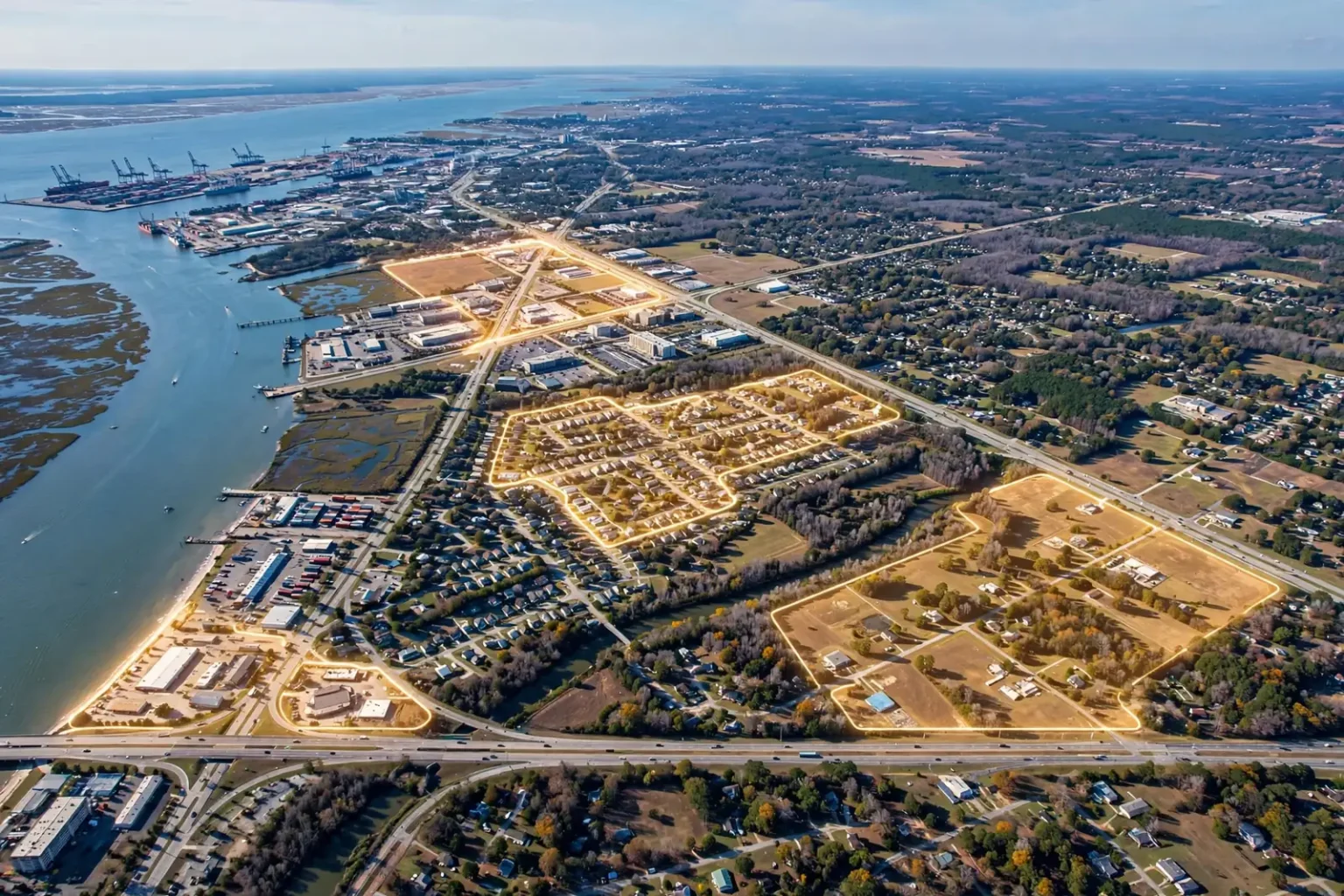
Four new sections of Mobile County, three of them inside the city of Mobile, have won federal approval as Opportunity Zones, a designation that offers tax incentives meant to draw new businesses, housing and commercial development into economically distressed areas beginning in 2027.
Gov. Kay Ivey announced on Friday, Nov. 6, that the federal government had approved 141 Opportunity Zones across Alabama. Mobile County accounts for 10 of them: the four new zones plus six existing zones that were approved again under the updated federal program.
The four new Opportunity Zones
The newly designated zones in Mobile County are:
- South Mobile, near the Farnell neighborhood and Interstate 10.
- The Pleasant Valley Road and Bridlewood area in Mobile.
- West Mobile’s Westhill area, near Airport and University boulevards.
- Unincorporated Mobile County near Theodore, west of Rangeline Road.
The designations cover specific sections, typically defined by census tract boundaries, within these communities and not necessarily entire neighborhoods. Property owners, businesses and developers interested in the incentives will need to confirm whether a specific site falls inside a designated zone.
Six existing zones approved again
Six Mobile County areas that were already Opportunity Zones have also been approved under the updated program. They include:
- Portions of downtown Mobile’s central business district and waterfront
- The Maryvale neighborhood
- The Arlington neighborhood
- North Crichton
- The Brookley Aeroplex
The original Opportunity Zone designations remain in effect through 2028. The new designations take effect Jan. 1, 2027, and will remain in place for 10 years.
How Opportunity Zones work
The Opportunity Zone program was created by Congress in the Tax Cuts and Jobs Act of 2017 to encourage private investment in communities that have struggled economically. Rather than handing out grants, the program works through the federal tax code.
In general, investors who have capital gains can put those gains into qualified Opportunity Funds that invest in businesses or real estate inside designated zones. In exchange, investors can receive tax advantages, including the ability to defer taxes on the original gain and, for investments held long enough, to reduce or avoid taxes on the growth of the Opportunity Zone investment itself.
Federal legislation enacted in 2025 renewed the program and set up a new round of designations, which is why governors nominated and the federal government approved a fresh list of zones this year to take effect in 2027.
The incentives can support investment in new businesses, housing, commercial developments and improvements to existing properties.
What the designation does and does not do
The approval does not provide any direct government funding, and it does not guarantee that any particular development will happen. No specific Mobile County projects were announced along with the designations.
Instead, the designation makes eligible areas more attractive to investors by improving the potential after-tax return on projects located there. Whether that leads to new construction, renovated buildings, new businesses or new housing will depend on private investors, developers and business owners deciding the incentives make projects in these areas worth pursuing.
Why these areas matter
The mix of new and existing zones touches several parts of the county that have seen economic challenges and that local leaders have long hoped to revitalize.
The South Mobile zone near Farnell and I-10 sits along one of the region’s busiest transportation corridors. The Pleasant Valley and Bridlewood area and the Westhill area near Airport and University boulevards are established parts of Mobile where commercial corridors and older housing stock could benefit from reinvestment. The Theodore-area zone west of Rangeline Road extends the program into unincorporated south Mobile County.
Among the existing zones, downtown Mobile and its waterfront have been a focus of redevelopment for years, while the Brookley Aeroplex is home to major aviation and aerospace activity. Maryvale, Arlington and North Crichton are long-established neighborhoods where local leaders have pursued revitalization.
What happens next
The new designations take effect on Jan. 1, 2027. Between now and then, investors, developers and property owners can begin evaluating potential projects in the newly approved areas, while the existing zones continue operating under their original designation through 2028.
Anyone interested in whether a particular property qualifies should check official Opportunity Zone maps and consult a tax professional, since eligibility depends on exact tract boundaries and the tax benefits depend on how an investment is structured.
South Alabama News will report on any projects announced in Mobile County’s Opportunity Zones as they come forward.