

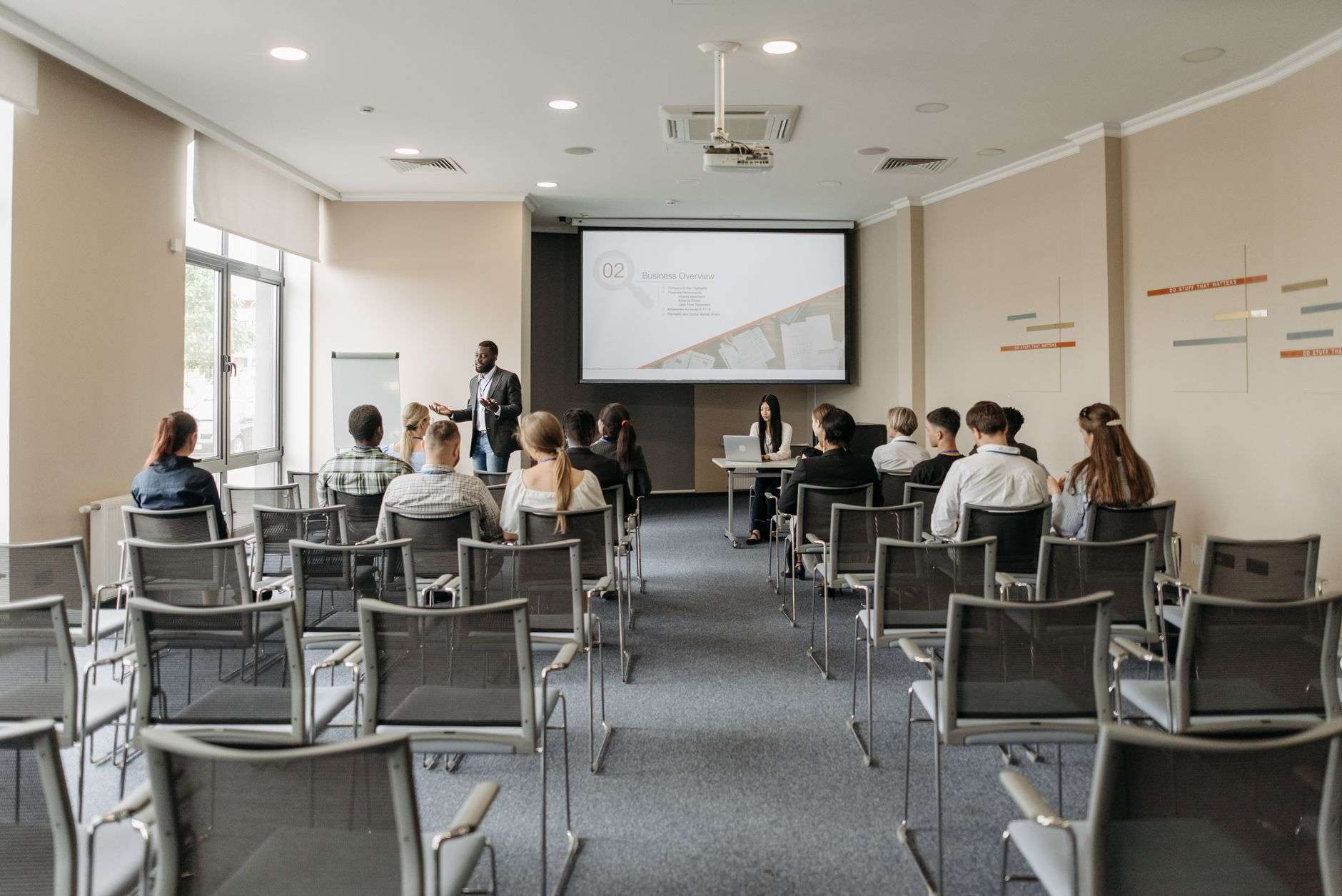
ORANGE BEACH, Ala. — The South Baldwin Chamber of Commerce will host a Summer Work Travel Community Forum on Aug. 5 at the Orange Beach Welcome Center, offering local businesses a chance to learn how to bring international university students onto their payrolls for next summer’s tourist season.
The forum is designed for two audiences: employers who already host J-1 visa workers through the federal Summer Work Travel program and business owners considering the program for the first time. Organizers said the session will cover regulatory updates, step-by-step guidance for getting started and opportunities to connect with other host employers in the community.
The Summer Work Travel program allows international university students to travel to the United States on J-1 visas to work and experience American culture during their summer break, a pipeline many Gulf Coast tourism and hospitality businesses rely on to staff hotels, restaurants and attractions during the peak season.
For Baldwin County’s beach communities, the program fills a gap that the local labor market alone cannot. The summer tourist season arrives while the county’s year-round workforce is already stretched thin by one of the fastest growth rates in Alabama, and the busiest months for restaurants, hotels and rental companies fall at the same time schools are out and college students across the country are competing for seasonal jobs. International students, who arrive on fixed dates and stay for the length of the season, give employers a predictable staffing window they can plan around.
The forum also comes at a moment when many local operators are rebuilding their workforces after more than a year of pandemic disruption. Hiring challenges that began with the closures have persisted through the recovery, and seasonal businesses that once counted on a deep pool of summer applicants have had to look harder — and farther — for reliable seasonal staff.
How the program works
The Summer Work Travel program is administered by the U.S. Department of State, which designates sponsor organizations to screen participants, arrange their paperwork and support them during their stay. Students must be enrolled in a university overseas, pass a screening process and secure a job offer before they receive a visa, and sponsors remain responsible for monitoring their welfare while they are in the country.
Participants are permitted to work only during their university’s summer break and must depart when the program ends, which is why the seasonal timing fits the Gulf Coast’s tourism calendar so closely. In resort towns along the coast, the students fill lifeguard stands, hotel front desks, restaurant kitchens and retail counters through the months when visitor traffic peaks.
The cultural exchange runs both ways. Students come to earn money, improve their English and see a part of the United States, and many return in later years or carry home an impression of the communities that hosted them. Host employers, in turn, get workers who have traveled thousands of miles for the chance to do a summer job well — a fact that many Baldwin County business owners who use the program point to when they describe why they keep coming back to it.
What the forum will cover
The forum’s agenda is broken into a series of short sessions across the morning. A representative from the U.S. Department of State will deliver a keynote presentation beginning at 9 a.m. That will be followed at 9:30 a.m. by an overview of the basics of the Summer Work Travel program, and at 10 a.m. by a discussion on the value of building a local community support network for J-1 students and employers, along with best practices for host businesses.
At 10:30 a.m., organizers will walk attendees through the application and paperwork process tied to Social Security and taxes, information employers need to properly bring international student workers onto their books. The forum will close with an open question-and-answer session from 11 a.m. to noon, giving business owners a chance to raise specific concerns about hosting workers for the 2027 summer season.
The paperwork session addresses one of the most common stumbling blocks for first-time hosts. International students need Social Security numbers before they can be paid, and the application process involves coordination between the student, the sponsor and the federal government. Tax obligations for J-1 workers differ in several respects from those of domestic employees, and employers who understand the distinctions up front avoid problems at payroll time.
The community support network discussion reflects a lesson other resort towns have learned the hard way: hosting international students is about more than a signature on an employment agreement. Students arriving from overseas need housing, transportation and a point of contact when something goes wrong, and the communities that organize those supports — often through chambers of commerce, churches and volunteer groups — tend to have smoother seasons and better retention of employers and students alike.
In beach towns where rental rates spike in the summer, housing is frequently the hardest piece. Employers who help workers find affordable seasonal housing, or who provide it directly, often have an easier time filling their rosters, and the forum’s best-practices session is expected to touch on how local hosts have managed it.
Who should attend
Organizers framed the event as practical rather than ceremonial. Businesses that have participated for years will hear regulatory updates directly from the State Department, which manages the rules the program runs on, and will have a chance to compare notes with other hosts facing the same challenges. Owners considering the program for the first time will get a full picture of the commitments involved before they decide whether to apply.
Admission to the forum is free, though organizers noted that space is limited. Business owners planning to attend are encouraged to register in advance through the chamber.
The Orange Beach Welcome Center is located along Canal Road in Orange Beach, a short drive from the city’s beachfront business districts. For a tourism economy that depends on a summer workforce it cannot hire locally, the morning’s sessions amount to a working session on the season ahead — and an introduction for any employer who has wondered whether the international pipeline could work for them.
Along the Alabama coast, the program has become part of the rhythm of the year. Each spring, students begin arriving in Gulf Shores, Orange Beach and the surrounding communities ahead of Memorial Day, and by late summer most have departed ahead of the school calendars at their home universities. Employers build their hiring plans around that window, and repeat participants — both students and businesses — often reconnect year after year through the sponsors that place them.
The State Department’s rules put real obligations on the employer side as well. Participants must be paid at the same rate and under the same conditions as American workers in comparable jobs, sponsors are required to verify that housing meets program standards before students arrive, and employers are expected to provide a safe working environment and accurate information about the job before the student commits. Businesses that cut corners can lose access to the program, which is why the regulatory-update portion of the forum matters even for experienced hosts.
Program participants also face practical adjustments that have nothing to do with work. Many arrive without driver’s licenses valid in the United States, relying on bicycles, shuttles and rides from co-workers to get around communities that were built around the automobile. Simple errands — a grocery run, a trip to the laundromat — can take planning when a worker’s housing sits miles from the job site. Local volunteer networks help bridge those gaps, and the businesses that take an active role in solving them tend to build loyal relationships with the students they host.
For the students themselves, a summer on the Gulf Coast is often a first extended stay in the United States. They work alongside American seasonal staff, live in shared housing with classmates from other countries and experience a region most had only read about. Many return home with improved English, work experience that stands out in their home job markets and friendships that outlast the season.
The chamber’s role in convening the forum reflects how central the program has become to south Baldwin County’s economy. The organization serves businesses across the lower county, where tourism drives employment from the beachfront to the Intracoastal corridor, and workforce questions rank among the most common concerns members raise. A session that puts employers, a federal regulator and community supporters in the same room is designed to turn a scattered set of individual challenges into a shared local playbook.
With the 2027 season on the horizon, the timing is deliberate. Employers who want to hire international students next summer generally begin the process months in advance, working with sponsors through the fall and winter to secure job offers, complete paperwork and arrange housing before students arrive. The question-and-answer session that closes the forum gives owners a chance to ask the specific questions — about costs, timelines and obligations — that will determine whether they take part in the next cycle.
Business owners interested in attending can find registration details through the South Baldwin Chamber of Commerce, and organizers recommend reserving a seat early given the limited space. For employers weighing their options after a difficult stretch of hiring, the forum offers a structured look at a workforce pipeline that Gulf Coast tourism has relied on for decades — and a chance to help shape how it works in this community.