

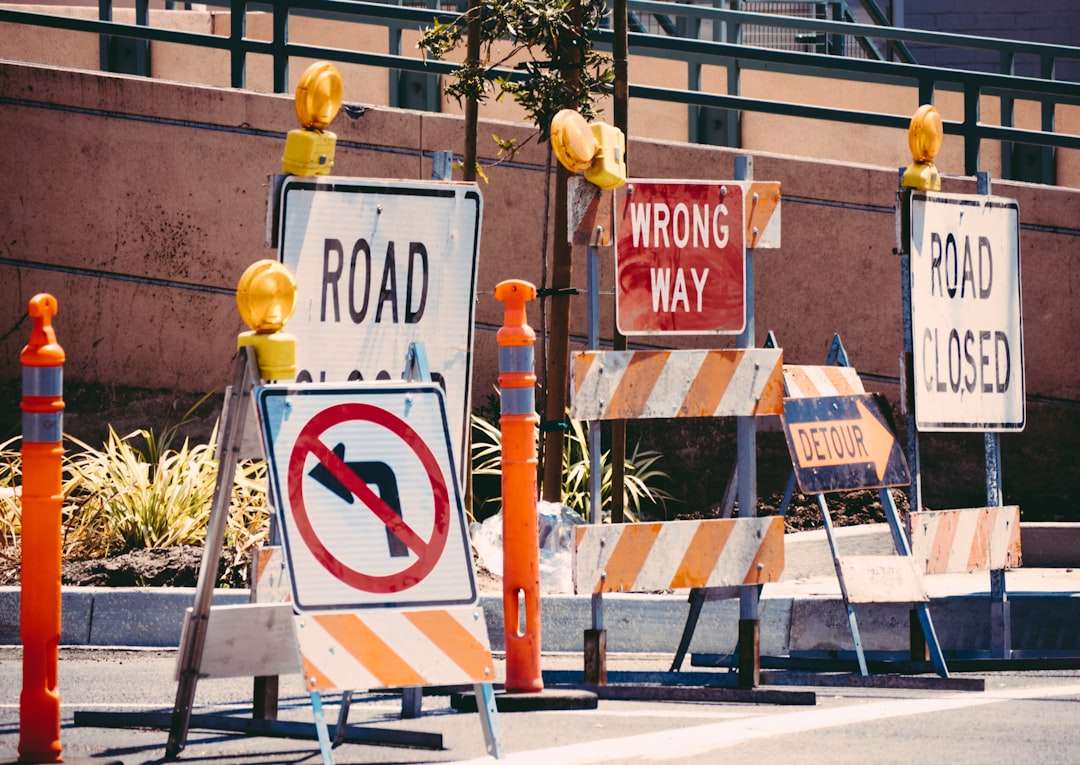
Drivers in the Theodore community should plan for a short-term detour starting next week as Mobile County crews reconfigure a familiar curve on Haskew Drive.
The closure, which begins Monday, Aug. 3, will affect the section of Haskew Drive near the Mobile County Water, Sewer, and Fire Protection Authority building, a well-known landmark for residents in the area southwest of downtown Mobile.
What Is Changing
For years, Haskew Drive has curved through this stretch of Theodore rather than running in a straight line. That is about to change. Instead of the familiar bend, Haskew Drive will now connect directly into McDonald Road, one of the area’s key east-west corridors.
McDonald Road itself is currently being widened from its existing configuration to five lanes, part of a broader effort to keep pace with traffic growth in the unincorporated Mobile County community.
Theodore sits just southwest of the city of Mobile and has seen steady residential and commercial development in recent years, which has added pressure to local roads originally built for lighter traffic volumes. Straightening the Haskew Drive curve so it feeds cleanly into a wider McDonald Road is intended to improve traffic flow and reduce the kind of tight turning movements that can slow drivers down or create safety concerns at the intersection.
Why the tie-in matters
A tie-in like this one is the finishing move of a widening project. Once McDonald Road carries five lanes of traffic, the side streets that feed it must handle the same volumes at the junctions, or the wider road simply moves the bottleneck one block. The old curved alignment of Haskew Drive, laid out for a country lane, would have delivered drivers into a five-lane intersection at an angle and speed poorly suited to either. Realigning the road so it meets McDonald Road squarely lets signals and sight lines work as designed, and it gives the growing number of neighborhoods along Haskew Drive a direct, predictable route to the corridor’s businesses and schools.
Theodore’s roads under pressure
Anyone who has driven through Theodore in recent years has watched the change happen one strip mall and subdivision at a time. The community’s main arteries — U.S. 90 along the railroad, Theodore Dawes Road, Rangeline Road and the surface streets connecting them — were laid out for a much smaller population, and the traffic counts have climbed year after year as development pushed south and west from the Mobile city line. McDonald Road carries a growing share of that load, linking neighborhoods and schools to the commercial corridors that residents depend on daily.
Widening a road to five lanes is the county’s standard response when a corridor crosses the threshold where two lanes can no longer clear peak traffic. The configuration — two travel lanes in each direction with a continuous center turn lane — is the workhorse design for suburban arteries across south Alabama, because it removes left-turning vehicles from the through lanes without requiring intersections to be signalized every few hundred feet. Getting that extra capacity is only half the job, though; every side street that connects to the widened road has to be realigned to meet it safely, which is exactly the work being finished on Haskew Drive.
Residents of the area know the pattern well. Theodore’s growth along its major arteries has been steady for years, and each new subdivision and storefront adds turns and trips to roads that were first paved when the community was far smaller. Projects like the McDonald Road widening — and the Haskew Drive tie-in that completes it — are how the county catches its infrastructure up to the map as it actually exists.
Timeline and Detour Route
The closure is scheduled to begin Monday, Aug. 3, and county officials expect the work to wrap up by Friday, Aug. 7, weather permitting. As with most outdoor road projects, heavy rain or other adverse weather could push that completion date back.
While the curve is closed, drivers who normally use Haskew Drive will need to follow a signed detour. The alternate route sends traffic onto White Oak Drive by way of Grand Oaks Drive, allowing motorists to bypass the closed section while crews complete the tie-in work connecting Haskew Drive to the widened McDonald Road.
Residents and commuters who regularly travel through this part of Theodore should build a few extra minutes into their trip during the closure and watch for construction signage, equipment, and workers in the area. The temporary closure falls within Mobile County Commission District 3.
Making the detour painless
A five-day closure is short by the standards of road work, but the detour still deserves a day of adjustment. Drivers who use Haskew Drive for the morning school run or the commute toward the interstate should trace the White Oak route once before they need it in a hurry, and neighbors along Grand Oaks Drive and White Oak Drive should expect a modest bump in cut-through traffic while the work lasts. Crews and signage will direct the flow, and the county’s standard practice is to restore full access as soon as the new connection is safe to open rather than holding a road closed for the full estimate.
Weather is the main variable. An August afternoon storm in Mobile County can flood a fresh grade in minutes, and a delay of a day or two is common on schedules like this one. Drivers should treat Friday, Aug. 7 as the target rather than a guarantee, and watch for updates from the county or from local news before planning Friday routes through the area.
How the Project Is Funded
The McDonald Road five-lane widening project, which includes the Haskew Drive tie-in, is being funded through the county’s 2016 Pay-As-You-Go Transportation Improvement Program in conjunction with the State of Alabama. Pay-As-You-Go is Mobile County’s method of financing road and bridge improvements without incurring new taxes or debt, with funds collected in advance of each road program.
Since 1977, the county’s Pay-As-You-Go program has committed more than $1 billion to local road improvements and has been approved by voters in all 20 times it has appeared on a ballot.
Why Pay-As-You-Go works for Mobile County
The Pay-As-You-Go model has a simple appeal: the county saves money ahead of time, spends it on projects already identified, and never carries the interest costs that bond-funded construction would add. Voters have renewed the program every time it has reached the ballot since the late 1970s, a record few tax measures anywhere can match, and the money is restricted to transportation — roads, bridges and related improvements across the county’s unincorporated communities and smaller municipalities.
For Theodore, that history is visible in the pavement. Widening projects, intersection improvements and resurfacing across the community have been financed through successive Pay-As-You-Go programs, with the 2016 edition funding the McDonald Road work now reaching completion. The partnership with the State of Alabama on projects like this one stretches the local program further, combining county funds with state participation on corridors that carry regional traffic.
Why It Matters
Short-term lane and road closures like this one are common as Mobile County continues to upgrade infrastructure to match growth in unincorporated communities such as Theodore. While a five-day closure is a relatively minor inconvenience, it reflects a longer-term investment in widening McDonald Road, a project that should ultimately mean smoother, safer travel for residents once construction wraps up.
The finished intersection will be the sort of improvement drivers stop noticing within a week — which is the point. A road that feeds cleanly into a wider corridor, with sight lines, turn lanes and signals matched to real traffic volumes, quietly removes the daily friction that used to live at that curve. The payoff arrives in commute times, in fewer sideswipe and rear-end collisions at a difficult junction, and in a neighborhood artery finally sized for the community it serves.
What comes next for the corridor
With the Haskew Drive tie-in finished, attention shifts to the remaining punch-list on the McDonald Road widening: signals, striping, sidewalks and the final layer of asphalt that turns a construction zone back into a street. County crews typically return in the weeks after a roadway opens to adjust signal timing to observed traffic, a final tuning pass that matters as much as the concrete. Residents with questions about the schedule or the detour can reach the county’s public works department directly, and the Water, Sewer and Fire Protection Authority building nearby will return to its usual role as a neighborhood landmark once the flaggers go home.
Local drivers are encouraged to plan routes in advance, especially during morning and afternoon commute times, until the roadway reopens. South Alabama News will provide updates if the completion timeline changes.