

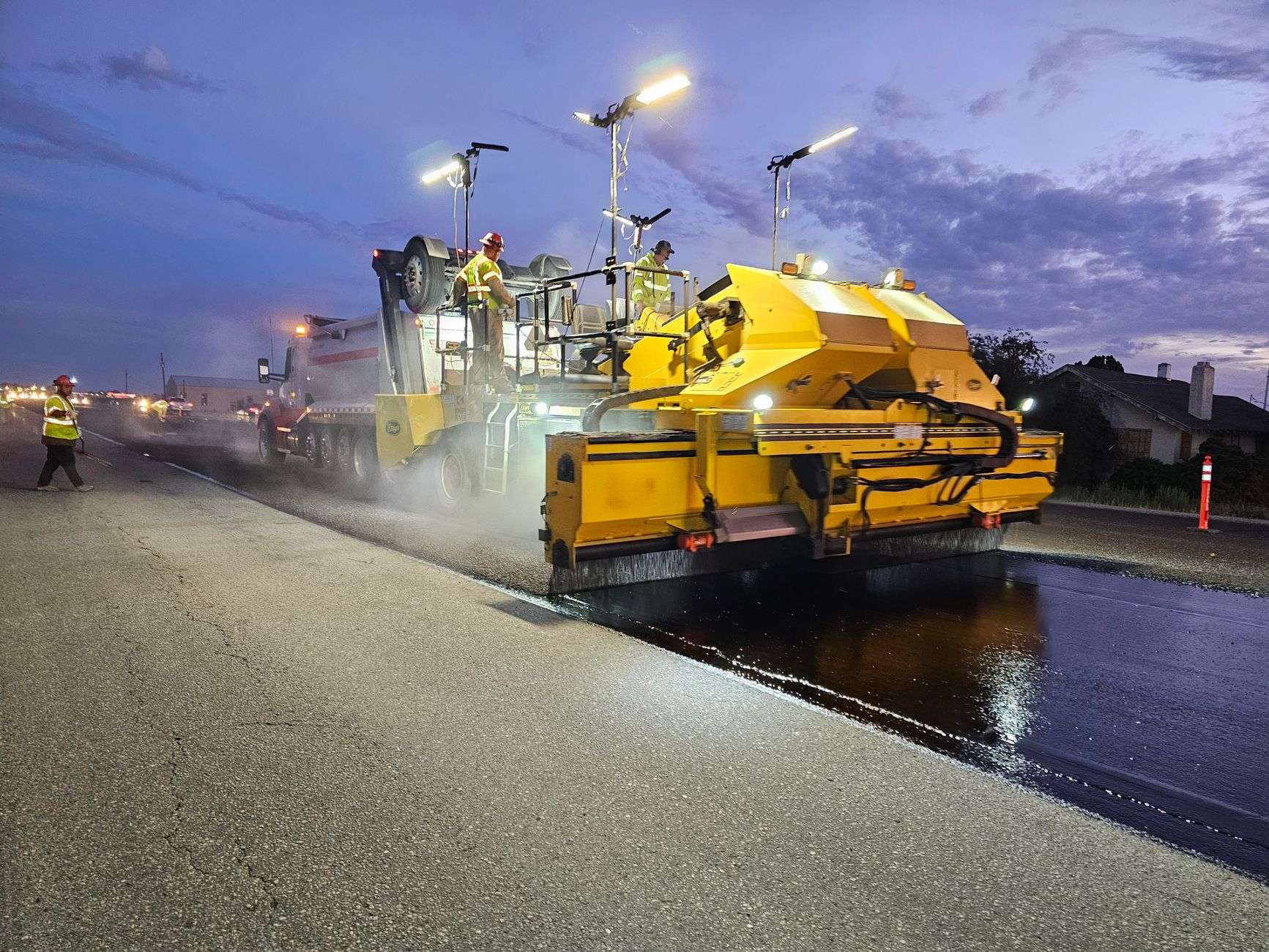
Drivers along the Highway 59 corridor near Gulf Shores should plan for a stretch of nighttime construction beginning this week, as the Alabama Department of Transportation (ALDOT) moves forward with milling, paving, and striping work tied to the ongoing Highway 59 widening project. The work zone runs from just south of County Road 6 through the Fort Morgan Road intersection, an area that carries heavy seasonal traffic between the Gulf Shores city core and the Fort Morgan peninsula.
ALDOT crews were scheduled to begin work the evening of Thursday, July 30, with operations resuming Sunday, August 2, and continuing nightly through Thursday, August 6. All work is being performed overnight, between 7 p.m. and 4 a.m., when traffic volumes are typically lower. Single-lane closures will be in effect throughout the work hours each night, meaning motorists traveling through the corridor after dark should expect reduced capacity, temporary traffic control, and the presence of work crews and equipment along the roadway.
Why the Timing Matters for Gulf Shores Traffic
Highway 59 remains the primary north-south artery connecting Interstate 10 and the rest of Baldwin County to the beaches of Gulf Shores and Fort Morgan. Even in early August, after the peak of summer tourist season begins to ease, the corridor continues to see substantial traffic from residents, second-home owners, and visitors extending their beach trips into the fall. Scheduling the milling, paving, and striping work for overnight hours is intended to minimize disruption to daytime traffic while still allowing ALDOT contractors to make steady progress on the broader widening effort, which has been reshaping this section of Highway 59 for months.
Officials caution that the nightly schedule is contingent on weather conditions. Rain or storms common to the Alabama Gulf Coast in late summer could push work to later nights within the window or delay it altogether, so drivers who regularly use this stretch after sunset should watch for updated notices as the week progresses.
What Drivers Can Expect in the Work Zone
Motorists traveling through the affected section between County Road 6 and Fort Morgan Road during the posted hours should anticipate single-lane traffic patterns, lowered speed limits, and flaggers or temporary signals directing traffic around active paving equipment. ALDOT and local officials are urging drivers to slow down, watch for road crews and equipment entering or exiting the roadway, and obey all posted work-zone signage. Nighttime paving projects carry added risk due to reduced visibility, so extra following distance and attention are especially important through the corridor.
Residents who rely on Highway 59 for early-morning commutes should also note that work concludes at 4 a.m. each night, meaning the roadway should be back to normal configuration well before the bulk of morning traffic begins, though some residual equipment staging or cleanup activity may still be visible.
Holmes Bridge Lane Remains Closed
In a related reminder tied to the broader Highway 59 corridor project, ALDOT noted that the newly striped third lane on the Holmes Bridge will stay closed to traffic until construction of a new pedestrian bridge alongside it is finished. The Holmes Bridge, which carries Highway 59 traffic in the Gulf Shores area, has been a focal point of the wider roadway expansion, and the additional lane is not expected to open to vehicles until the adjacent pedestrian span reaches completion. Officials did not provide a specific completion date for the pedestrian bridge component of the project.
Broader Context: The Highway 59 Widening Project
The current paving and striping work is part of a larger, multi-phase effort by ALDOT to widen Highway 59 through the Gulf Shores and Fort Morgan area, a project designed to ease chronic congestion on one of Baldwin County’s busiest tourist corridors. Widening projects of this scale typically involve staged construction, including lane additions, bridge modifications, and pedestrian infrastructure improvements, all coordinated to keep the highway passable for the area’s year-round and seasonal traffic. As with many coastal Alabama infrastructure projects, contractors often shift heavier construction activities to nighttime hours during the warmer months to reduce the impact on daytime beach traffic and to work in cooler conditions.
Local officials continue to encourage residents and visitors to plan extra travel time when using Highway 59 during the overnight work windows and to check for updated construction notices, since schedules tied to outdoor paving work remain subject to change based on weather.
Community members are asked to remain patient as the project continues and to report any concerns about road conditions or signage in the work zone through the appropriate local channels.
Highway 59 is one of the most strategically important transportation corridors in Baldwin County, and the work happening along it this summer reflects how much the Alabama Gulf Coast’s infrastructure is being reshaped to keep up with sustained growth. The highway, which runs roughly north-south from the Foley area down through Gulf Shores and out to the Fort Morgan peninsula, carries a mix of year-round local traffic and a heavy seasonal surge of beach-bound visitors. During the spring and summer tourism season, daily traffic counts on the highway can rise to several times the level seen in the winter months, and the road was never designed to handle the volume it now sees on a July Saturday.
The Alabama Department of Transportation, the state agency responsible for maintaining and improving Alabama’s highway system, has been working on the Highway 59 widening project for several years. ALDOT uses a phased approach to projects of this scale, with work typically broken into segments that allow the road to remain at least partially open throughout construction. Milling, paving, and striping are the final stages of each phase, and they often have the most visible impact on drivers because the work is done directly on the travel lanes. To minimize disruption, ALDOT and its contractors usually schedule that work for overnight hours, when traffic volumes are at their lowest, and they use single-lane closures with flaggers or temporary signals to direct traffic around the active work area.
The choice of milling — the process of removing a thin layer of the existing pavement — before laying new asphalt is a standard practice in highway construction. Milling allows the new pavement to be placed at the same elevation as the surrounding lanes, which is important at intersections, driveways, and bridge approaches where a change in pavement depth would create safety or drainage issues. It also gives crews a chance to inspect the underlying pavement for any damage that needs to be repaired before the new surface is applied. The striping work that follows the paving is similarly important, both for guiding traffic in the new lane configuration and for ensuring that lane markings are clearly visible at night, when the work itself is being done.
The timing of this particular work — late July into early August — is also worth noting. ALDOT typically schedules major paving work on coastal Alabama corridors during the late summer and early fall, after the peak of the tourist season has passed but before the cooler weather of winter. The approach balances two competing pressures: the need to complete paving work while the asphalt plants are running at full capacity, and the need to avoid the worst disruption to the tourism economy. Summer nights are also a more practical time for paving because cooler overnight temperatures help the new asphalt cure properly, which produces a more durable finished surface.
The pedestrian bridge component of the broader Highway 59 project is a separate but related piece of work. The Holmes Bridge, which carries Highway 59 traffic over a waterway in the Gulf Shores area, has been the focus of structural and capacity improvements, and the addition of a third lane to the bridge is part of the overall effort to ease congestion. The newly striped third lane, however, is not expected to open to vehicles until construction of an adjacent pedestrian bridge is complete, which is why the lane remains closed even though striping work is being done. That sequencing is typical of complex infrastructure projects, where multiple components have to be finished in a specific order to maintain safety and to meet the project’s overall design intent.
The Fort Morgan peninsula, which sits at the western end of the project corridor, is itself a growing destination within the broader Gulf Shores tourism market. Fort Morgan, the Civil War-era fort that gives the peninsula its name, draws visitors interested in history, while the beaches along the peninsula offer a quieter alternative to the more developed Gulf Shores main beach. The combination of historic tourism and beach tourism has put sustained pressure on the road network that serves the peninsula, and the Highway 59 widening project is one of several infrastructure investments that state and local officials have made to keep up with that demand.
For Baldwin County drivers, the practical effect of the overnight work is a series of short, predictable disruptions over the course of a single week. The 7 p.m. to 4 a.m. window is narrow enough that most daytime travel through the corridor will be unaffected, and the work is expected to wrap up by early morning each day, leaving the road in normal configuration before the bulk of morning traffic begins. The bigger concern is weather: late summer thunderstorms are common along the Gulf Coast, and any significant rain can push paving work to later nights within the same window, or to later in the season entirely. Drivers who regularly use the corridor at night should be prepared for that kind of schedule slippage and plan accordingly.
The broader lesson from the Highway 59 project is that growing coastal communities have to keep investing in their transportation infrastructure even when the tourism economy is strong, because the same conditions that attract visitors — beaches, weather, natural beauty, relatively uncongested highways — are quickly undermined if the road network cannot handle the demand those visitors bring. The work being done this summer, while disruptive in the short term, is part of a long-term effort to make sure that the Gulf Shores area can continue to welcome the volume of visitors that its economy depends on without grinding to a halt every weekend during the season.