

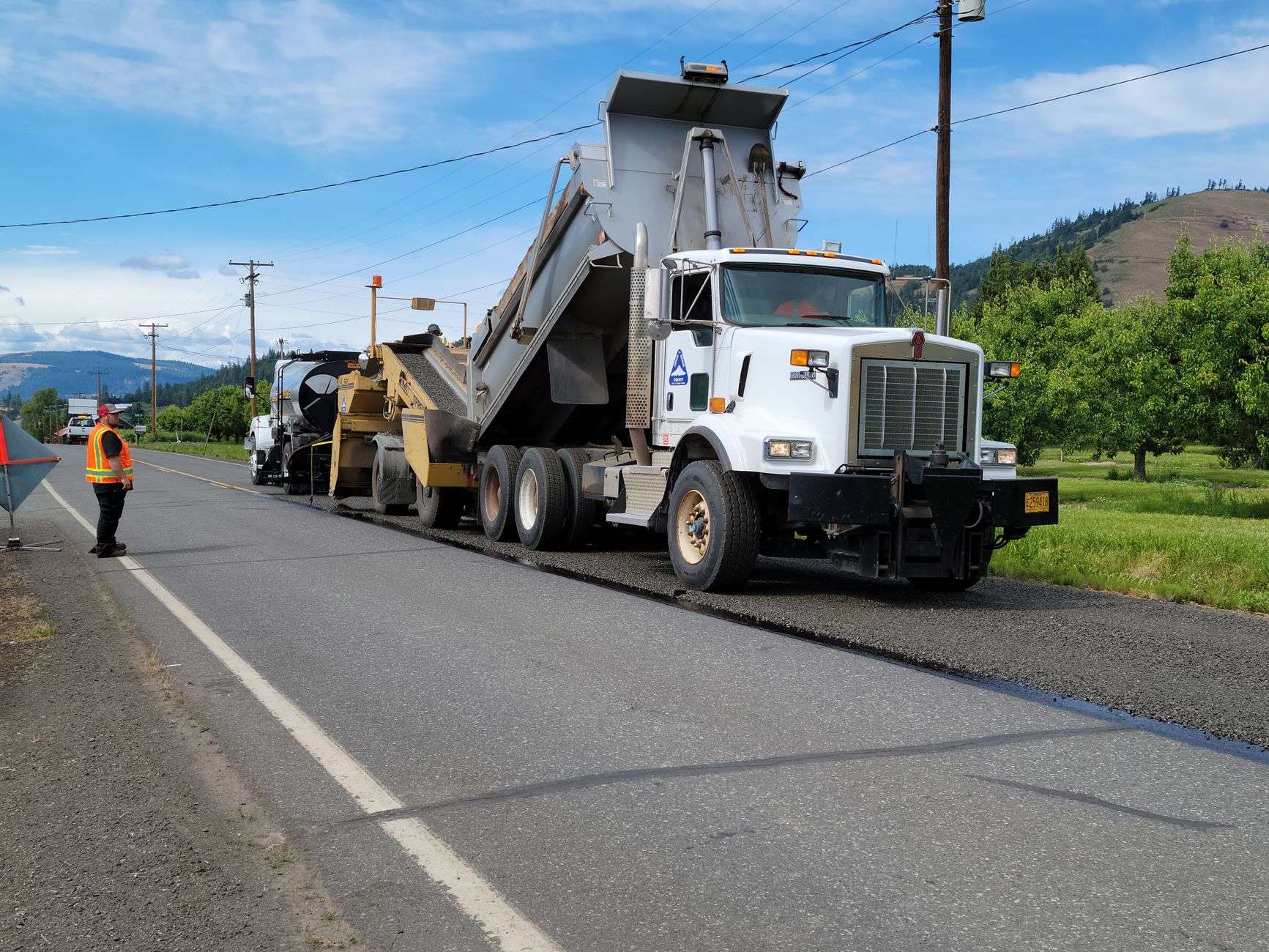
BALDWIN COUNTY, Ala. — Paving is now underway on a 5.6-mile section of US-90 in Baldwin County, and the Alabama Department of Transportation says the resurfacing project is progressing as planned.
Milling Finished in August
The project began Aug. 17 with milling, which removes the old asphalt surface. Milling was completed Aug. 27.
Because US-90 is a two-lane roadway in the project area, traffic must be controlled with flaggers during the work. The contractor completed the milling across the entire project before beginning paving.
That sequencing decision is the reason drivers have spent weeks on a milled surface. Alternating between milling and paving in short segments would keep the finished surface closer behind the work, but it would also mean far more days of lane closures spread across a longer period. Completing one operation across the full length before starting the next compresses the total disruption.
This approach helps limit the amount of time motorists are affected by lane closures.
Weather Delayed the Start of Paving
Rain between Aug. 31 and Labor Day delayed the start of paving. Lane closures were paused during the Labor Day holiday, as required by ALDOT.
Paving began Sept. 10 and is expected to take about two to three weeks, depending on weather and other conditions.
Asphalt placement is genuinely weather-dependent rather than merely weather-preferred. Hot-mix asphalt cannot be laid on a wet surface, and compaction depends on the mix staying within a temperature range during placement. Paving in the rain produces a surface that fails early.
Why a Milled Road Looks the Way It Does
“It is normal for a milled roadway to remain in that condition for a period of time before new asphalt is placed,” said ALDOT Southwest Region spokesperson James Gordon.
“While the milled surface may look and feel different from a finished roadway, it is a normal part of the resurfacing process. Signs are posted throughout the work area to alert motorists to the road conditions and encourage drivers to slow down and use caution.”
A milled surface has a grooved texture that produces noticeable noise and vibration, offers different traction characteristics than finished pavement — particularly when wet — and can have a pronounced edge where it meets an unmilled lane or shoulder. Those are the conditions the posted warnings address, and they are the reason reduced speed matters more than usual in a milled work zone.
Drivers Asked to Use Caution
Motorists traveling through the work zone should pay attention to signs, follow flaggers’ instructions and reduce their speed.
Flagger-controlled two-lane operations warrant particular attention. With one lane closed, opposing traffic alternates through a single lane, and a driver who proceeds past a flagger’s stop signal creates a head-on conflict. Flaggers also work on foot within feet of moving traffic.
Timeline
Paving is expected to take about two to three weeks from its Sept. 10 start, weather permitting. ALDOT said it appreciates the public’s patience while the project is completed.