

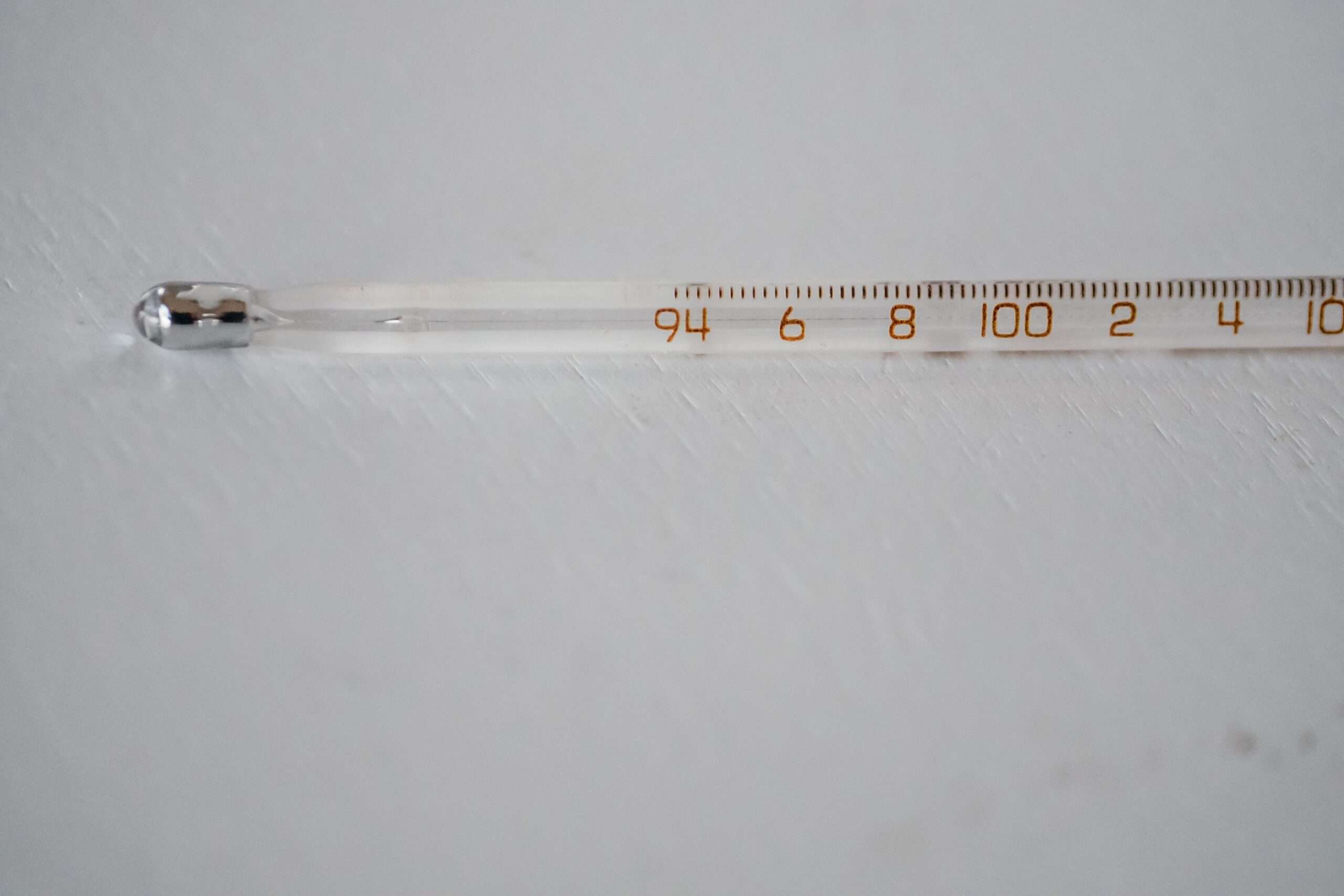
As dangerous heat grips the Gulf Coast, with heat index values expected to reach between 111 and 115 degrees over the next two days, the Waterfront Rescue Mission is converting its facility into a round-the-clock cooling shelter to protect some of the region’s most vulnerable residents.
The organization, which normally provides food, shelter and counseling services to people experiencing homelessness in both the Mobile and Pensacola areas, is shifting away from its usual business hours so staff can remain available at all times, ensuring anyone in need of relief from the extreme heat has a safe place to go.
“It’s just nice to be able to be a part of a community that says, ‘Hey, come in. Come and get some help, come and get cold air, come and get a hot meal, come and let us love on you,'” said Eric Lindmark, director of the Mobile Mission. “It means a lot because, like I said, this is my city, I love my city, and we are a part of this community.”
Lindmark said the mission is well-practiced at scaling its response to extreme weather, since it operates every day of the year regardless of conditions. “We’re so used to it. We do this 365 days a year,” he said. “Really, the big thing that changes is the amount of people here, the food we cook and things like that. But we’re just so used to dealing with it. You know, we could see numbers that can be in the 50s, and might even get over 100 tonight. So, as far as manpower, we stay the same.”
A familiar playbook, flipped to the opposite extreme
The cooling shelter effort is a partnership between the Waterfront Rescue Mission, local agencies, county emergency management officials and Mobile city leaders, all working together to make sure people living outdoors know where to find help. It’s a response that mirrors what the organization has done in past years during dangerously cold winter weather — only this time, the threat is the opposite extreme.
That flexibility matters because Gulf Coast weather punishes in both directions. South Alabama residents are accustomed to thinking of the region’s winters as mild, but a January cold snap can send overnight lows well below freezing, and shelters across Mobile have long opened extra space when wind chills turn dangerous. The same logic applies in late summer, when high humidity turns 95-degree afternoons into conditions far more hazardous than the temperature alone suggests. The heat index — a measure combining temperature and relative humidity to estimate how hot it actually feels to the human body — is the standard way forecasters communicate that hazard, and readings above 110 degrees fall into a category where the National Weather Service warns that heat stroke is likely with prolonged exposure.
Preparation, Lindmark said, starts well before the heat arrives. “Prepping is us getting the information out earlier, but while we’re inside these doors we’re actually telling our clients a week or so in advance, ‘Hey look, this is what needs to be on the lookout,'” he said. “And we’ve actually technologically stepped up by putting TVs out in our lobby area where we can display that these are the trends that we’re seeing and this is what could happen.”
That early-warning approach reflects a hard-learned truth about serving people who live outdoors: the men and women most at risk during a heat wave are often the hardest to reach with conventional public safety messaging. A client who already comes to the mission for meals or a bed can be told directly what is coming and where to go, rather than depending on flyers, social media posts or word of mouth that may never reach the encampments and doorways where people sleep.
What the heat does to the body
Heat index readings in the 110-to-115 degree range pose a serious risk of heat exhaustion and heat stroke, particularly for people without reliable access to air conditioning, shade or water — a population that includes many of those the mission serves.
Heat exhaustion announces itself with heavy sweating, weakness, dizziness, nausea and headache; it is the body’s warning that it is losing the fight to keep its core temperature down. Heat stroke is the stage beyond it, when the body’s cooling system fails entirely, the skin can go hot and dry, confusion sets in, and the condition becomes a medical emergency that can cause permanent injury or death within minutes. Emergency physicians emphasize that the progression can be rapid, and that the elderly, small children, people with chronic illness, and anyone taking certain common medications are at elevated risk even indoors.
For people living without shelter, the danger compounds. A person sleeping in a tent or a parked car through a 90-degree night never gets the overnight recovery period that the rest of the population takes for granted. Dehydration accumulates day after day. Add the realities of homelessness — chronic health conditions, limited access to drinking water, medications that interact badly with heat — and a heat advisory that a homeowner experiences as an inconvenience becomes, for that population, a genuine threat to life.
Local health officials routinely urge residents across South Alabama to check on elderly neighbors, avoid strenuous outdoor activity during peak afternoon hours, and stay hydrated during stretches of extreme heat like this one. Those warnings carry added weight in a region where outdoor work — construction, roofing, shipyard labor, agriculture and the fishing fleet that works the bayous south of the city — remains a large share of the economy, and where cooling costs strain household budgets on fixed incomes.
How long it will last, and what the mission needs
Lindmark said the facility will remain a dedicated cooling center at least through Wednesday, but the mission plans to keep operating 24 hours a day for as long as dangerous heat conditions persist across the region.
The organization is also seeking donations of bottled water to help supply clients during the heat wave. Donations can be dropped off at the mission’s Mobile location, 279 N. Washington Ave.
The request is a practical one. In heat like this, water is the single most consumed item a shelter stocks, and a client who leaves the building during the day can burn through a day’s supply in a matter of hours. Rescue missions and food pantries across the Gulf Coast typically see demand for bottled water, electrolyte drinks and lightweight clothing spike during advisories, and donations that arrive steadily — rather than in one large drop — are the easiest to manage, since cooling centers cannot know exactly how many people will walk through the door on a given night.
The Waterfront Rescue Mission’s dual-city footprint is also worth noting for those outside Mobile. The organization serves the Gulf Coast on both sides of the state line, operating facilities in Mobile and in Pensacola, Florida, and its staff are used to coordinating across the two markets. Residents and organizations in the Pensacola area looking to help during the advisory can reach out to the mission’s Escambia County operations, which face the same heat conditions as their Alabama counterparts.
Where else to go: McKemie Place and 211
The Waterfront Rescue Mission isn’t the only option for people seeking relief. McKemie Place, a Mobile shelter that primarily serves women, has also opened its doors as a second cooling center while the heat advisory remains in effect.
McKemie Place fills an important gap in the local safety net. Mobile’s emergency shelter capacity has historically been concentrated in facilities serving men, and single women experiencing homelessness have long had fewer places to turn. By opening as a cooling center in its own right, the facility gives women who might avoid a mixed shelter a separate, dedicated option during the worst hours of the advisory — an option that could otherwise be the difference between heat exhaustion and a safe night.
The Mobile County Emergency Management Agency has been coordinating the response and is directing residents who want to check on real-time space availability at either location to call 211.
The 211 line is the Gulf Coast’s front door for exactly this kind of need. The three-digit number connects callers to a regional information and referral service that maintains live knowledge of shelter beds, cooling centers, food pantries, utility assistance programs and transportation help across Mobile County and the surrounding area. In an emergency like a heat wave, the value of 211 is that it spares a person in distress from calling a dozen agencies in search of one that has space. Emergency managers also use the call volume coming into 211 as an informal gauge of how badly a community is being affected — a surge in requests for cooling-center space tells them something a weather map cannot.
The county EMA has also circulated a broader list of heat safety reminders as the advisory continues: drink plenty of water throughout the day, stay in air-conditioned spaces or shaded areas whenever possible, never leave children, older adults or pets unattended in a parked vehicle, limit strenuous outdoor activity during the hottest part of the afternoon, and check in regularly on elderly neighbors and others who may be more vulnerable to heat-related illness.
Each of those bullet points exists because of a pattern that repeats across every Southern summer. Vehicles heat to lethal temperatures in minutes even on days that feel merely hot, and children and pets die in parked cars every year in states like Alabama. Outdoor workers who push through the peak afternoon hours account for a large share of serious heat illnesses treated in emergency rooms. And isolated seniors — many living on fixed incomes and reluctant to run an air conditioner they cannot afford — are regularly found ill or worse only after a neighbor or family member checks on them. Emergency managers preach the same short list every summer for the simple reason that it saves lives when people follow it.
What the response says about Mobile
The partnership structure behind the cooling shelter — a faith-based rescue mission, municipal government, county emergency management and other local agencies working in parallel — is characteristic of how the Gulf Coast handles weather emergencies. Mobile County has been shaped by decades of hurricane preparedness, and that institutional muscle memory does not sit idle when the threat is heat instead of wind. The same networks of churches, nonprofits and government offices that stage supplies before a landfall are the ones that open cooling beds in August and warming beds in January.
For the people the mission serves, the practical meaning of the advisory is simple: for the duration of the dangerous heat, there is a place with cold air, a hot meal and staff who are awake around the clock. Lindmark’s own framing made the same point without ceremony. The mission already feeds and houses people every day of the year, he said; the heat wave changes the crowd size and the cooking, not the commitment.
Residents who want to help can drop bottled water at the mission’s Mobile location at 279 N. Washington Ave., and anyone — resident or visitor — who needs to locate a cooling center during the advisory is asked to call 211, where operators can report current availability at both the Waterfront Rescue Mission and McKemie Place. Emergency managers renew the standard advice with each advisory: take the heat seriously, look out for the people around you, and remember that in a Gulf Coast summer, the weather that looks mild on a car dashboard can be dangerous a few steps away from it.