

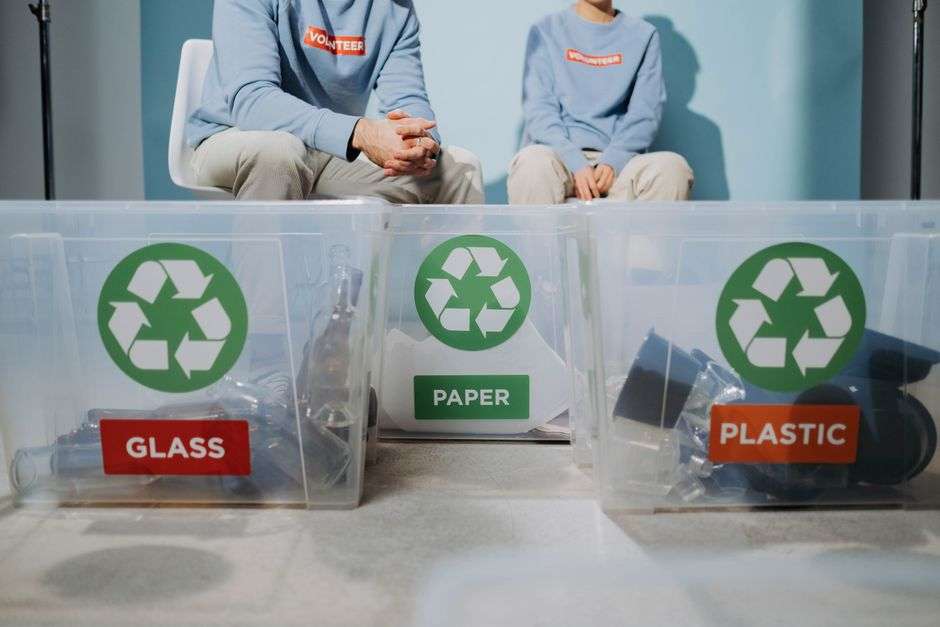
Organizers of the 1065 Music Festival, set for Sept. 30 through Oct. 2 in Downtown Mobile, are asking for volunteers to help run an on-site recycling program during the three-day event. The effort is being coordinated by the Cleaner, Greener LoDa Committee’s Eco-Team, a volunteer group formed to keep festival waste out of local landfills and reduce the event’s impact on the surrounding environment. Anyone interested in volunteering can sign up through the Alabama Coastal Foundation’s website at joinACF.org.
Organizers are asking volunteers to register no later than Sept. 26 so shifts can be scheduled ahead of the festival weekend. Volunteers must be at least 16 years old to participate, and everyone who signs up to work an Eco-Team shift will receive a festival t-shirt along with a chance to win prizes given out during the weekend. The scheduling deadline matters more than it might appear: a recycling operation that depends on volunteers lives or dies on coverage, and organizers need to know how many shifts they can staff before they place containers and plan routes around the festival footprint.
Keeping the Grounds Clean
The 1065 Music Festival draws crowds to a stage set against the backdrop of Downtown Mobile, and organizers say keeping the grounds clean is part of delivering a positive experience for both festivalgoers and the surrounding business district. A festival weekend puts thousands of people into the blocks around Dauphin Street and the surrounding entertainment district — and those same blocks have to open for business again the next morning. Bars, restaurants and shops along the festival footprint feel the aftermath directly, which is why the downtown business community has been part of the recycling push from the start.
Blue clear-stream recycling containers will be placed next to trash cans throughout the festival grounds, giving attendees an easy way to keep bottles and cans out of the regular waste stream. The clear-stream concept is deliberately simple: one visually distinct bin for recyclables, placed beside every trash can, so that doing the right thing requires no extra effort. Event-waste research consistently shows that when recycling bins sit alone, they become contaminated with regular trash, and contaminated loads end up in the landfill anyway. Pairing the bins — and making the recyclable stream unmistakable — is the practical fix.
Eco-Team volunteers will be stationed near the stage areas and around the festival footprint to keep recyclable materials from piling up on the ground. Their job is part logistics, part hospitality: swapping out full containers before they overflow, keeping the stream clean, and pointing distracted festivalgoers toward the right bin with a word and a smile. It is not glamorous work, but it is the difference between a recycling program that functions and a row of ignored blue cans.
Organizers say that when attendees use the recycling bins instead of leaving cans and bottles on the ground, it allows volunteers to spend their time emptying containers rather than picking litter off the grass, making the whole operation more efficient. Every can that goes into the bin at the point of purchase is a can that never has to be retrieved from beneath a bleacher or swept out of a gutter at midnight. The math of festival waste rewards small decisions made by thousands of people.
Built on a Beer Fest Proven-Concept
The push builds on a recycling effort that bars and restaurants in Downtown Mobile carried out during the Dauphin Street Beer Fest on Aug. 27, when businesses and volunteers recycled more than 23,000 bottles and cans. That single-day result did more than keep four-and-a-half tons of glass and aluminum out of the waste stream — it demonstrated to the district’s business owners that the logistics work. Volunteers staffed collection points, participating bars separated their empties, and the numbers came in far above what organizers had projected.
The Eco-Team plans to work with many of the same downtown bars and restaurants for the festival weekend, extending the partnership from a one-day event to a three-day operation. The businesses already have the routines in place — separate collection, scheduled pickups, volunteer coordination — which means the festival version can scale up an operation rather than build one from scratch. Organizers have said the long-term goal is to make recycling a standing feature of every major event in the entertainment district, so that it stops being an initiative and becomes simply how downtown handles a crowd.
Why It Matters on the Coast
The environmental stakes have a local accent. Mobile sits at the head of Mobile Bay, the receiving water for the Mobile-Tensaw Delta — one of the most biodiverse river systems in North America — and everything dropped on a downtown street eventually moves downhill toward the bay. Storm drains in the downtown grid carry runoff directly to the water, and cans, bottles and plastics that litter the festival footprint after a rain are a measurable load on the very waters the region markets as its greatest asset. The Alabama Coastal Foundation, which hosts the volunteer registration, exists precisely to protect those waters, and festival recycling fits its mission as neatly as it fits the business district’s.
The Coastal Foundation’s involvement also gives the program an institutional home beyond any single event. The organization runs coastal cleanup programs, volunteer days and education initiatives across the region, and its volunteer network — the same base being asked to staff Eco-Team shifts — is accustomed to this kind of logistics. Partnering a downtown festival with a coastal nonprofit is the kind of arrangement that tends to outlast the individuals who started it.
For the volunteers themselves, the work comes with perks beyond the t-shirt and prize drawings. An Eco-Team shift is a working pass to a festival most of their peers will experience from the other side of the barricade, and the volunteer corps skews young — the 16-year-old minimum puts the opportunity squarely in reach of high school students building service hours and college students who want a reason to be downtown. Organizers have found that recycling volunteers, unlike most festival workers, tend to talk about what they did afterward, which is its own form of outreach.
How the Weekend Will Work
The festival runs Friday through Sunday, and the recycling operation runs the whole arc of it. Containers go out before the gates open each day, volunteers work shifts through the evening peak when the crowd and the can counts both climb, and the post-event sweep decides the final tally. The Beer Fest experience taught the Eco-Team where the pressure points are: the areas closest to the stages generate the most recyclables, the edges of the footprint generate the most litter, and the hours right after a headline set are when every bin on the grounds fills at once.
Shift scheduling before the deadline is what turns that knowledge into coverage. Organizers want enough volunteers to rotate positions — container monitoring, container hauling, perimeter sweeps — without burning anyone out over a three-day event. Prospective volunteers are asked to sign up by Sept. 26 at joinACF.org, where they can select their shifts and get their assignment details in advance of the weekend.
The Bigger Picture: Downtown Mobile’s Green Push
The Eco-Team sits inside a broader downtown effort. The Cleaner, Greener LoDa Committee takes its name from LoDa — the Lower Dauphin entertainment district that has become the center of downtown nightlife — and its work spans cleanliness, beautification and event-day operations in the blocks where the city’s revitalization is most visible. Recycling at major events is the committee’s most public-facing program, but the underlying goal is habit: a downtown where vendors, bars, visitors and residents handle waste as a matter of routine.
Other Gulf Coast festivals have traveled this road ahead of Mobile, and the pattern is consistent: the first year is messy, the second year runs on volunteers who came back, and by the third year attendees expect the blue bins and miss them when a fair doesn’t have them. Organizers here are explicit that 23,000 bottles and cans at a one-day beer festival is the proof of concept, and the three-day music festival is the test of whether the model holds at scale.
The ask, in the end, is modest. The festival needs people who are willing to spend a shift keeping a good event from leaving a mess behind, and attendees who are willing to walk their empty can three steps to the right bin. Registration closes Sept. 26; the festival grounds open Sept. 30; and the measure of the weekend will be written in what does — and does not — end up in the landfill when the last band plays and the lights come up on a clean Dauphin Street.