

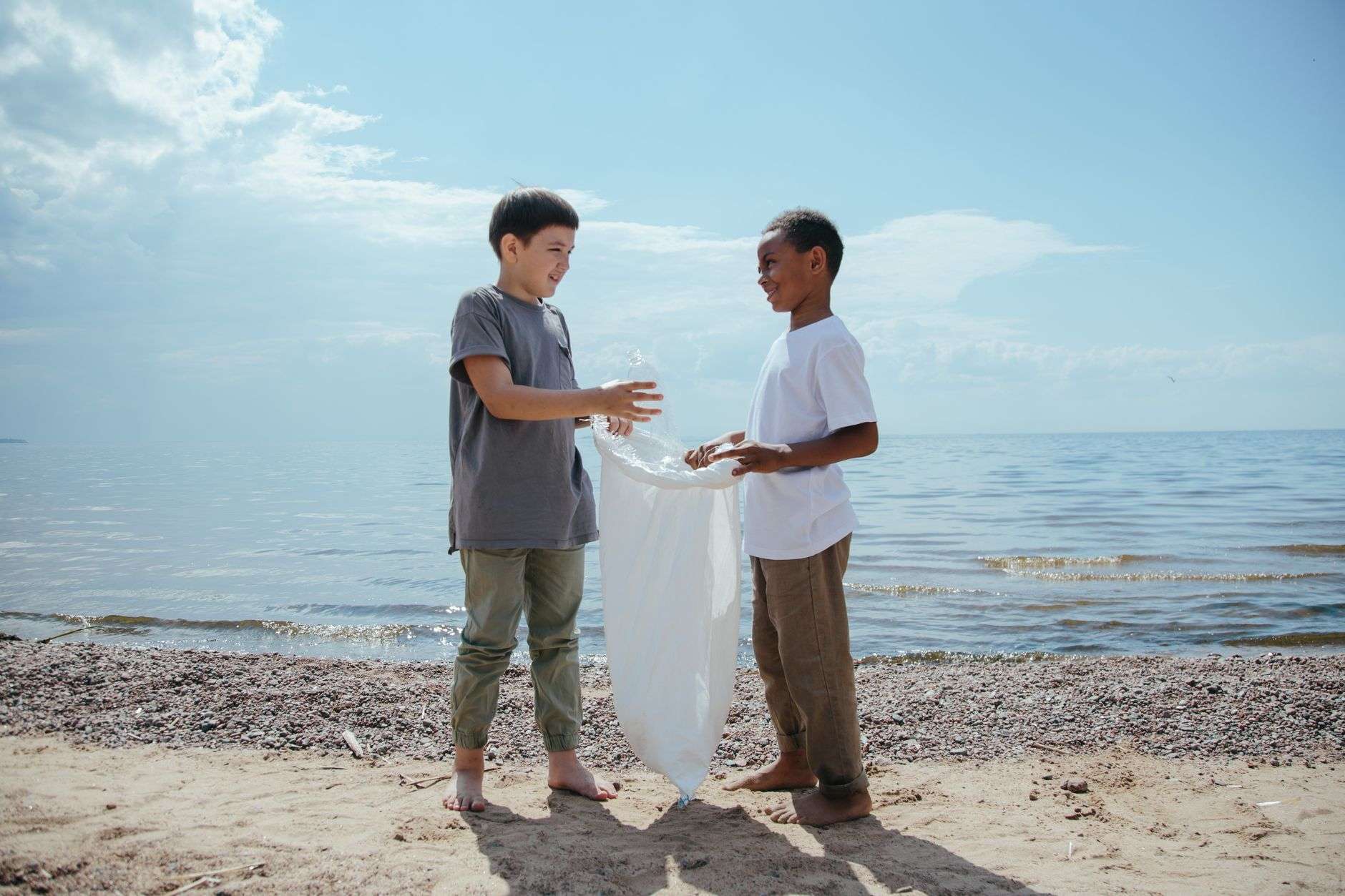
ORANGE BEACH, Ala. — The 39th Annual Alabama Coastal Cleanup runs Saturday, Sept. 19, from 8 a.m. to noon, and for four hours the state’s largest annual volunteer event turns the coastline into a work site.
Volunteers will pull litter from shorelines, marshlands and public access points across coastal Alabama. In Orange Beach alone, seven check-in locations will be operating, and anyone registering at one of them can catch a boat shuttle to islands most people never set foot on.
Where to Check In
Orange Beach-area volunteers can report to any of the following:
- Boggy Point Boat Launch — the shuttle site. Volunteers registering here can take free boat transportation to the islands to work isolated shorelines.
- Cotton Bayou Public Beach
- Wind and Water Learning Center on Wolf Bay
- CoastAL, the beachfront restaurant
- The Flora-Bama
- Ono Island
- Gulf State Park Beach Pavilion
Organizers provide trash bags and site assistance at each station. Volunteers should bring their own water, sunscreen and closed-toe footwear.
The Boggy Point shuttle is the detail worth planning around. Island and back-bay shorelines accumulate a disproportionate share of floating debris precisely because nobody walks them, and they are unreachable for a volunteer without a boat. A free shuttle turns the least-serviced shoreline in the area into the most productive place to spend a morning.
Thirty-Nine Years and 110,000 Volunteers
Alabama joined the International Coastal Cleanup movement in 1987. In the years since, more than 110,000 volunteers have participated, removing tens of thousands of pounds of trash from beaches, waterways and coastal communities.
What began as a modest environmental initiative is now the largest annual volunteer event in the state, and along the coast it has taken on the character of a civic ritual — families, student groups, civic organizations and businesses turning out on the same Saturday morning every September.
The organizers’ framing this year leans into that: show up, and you have earned your “Local Card.” Living on the coast is one thing. Taking care of it is another.
Why an Inland Cigarette Butt Ends Up in the Gulf
The most common misconception about a coastal cleanup is that it is about beach litter.
Most of what ends up in Alabama’s bays and in the Gulf did not start there. It started on a street, in a parking lot, in a park or beside a storm drain somewhere inland, and it moved. Rain carries it into a drain. The drain empties into a creek. The creek feeds a river. The river reaches the bay.
That is why cleanup zones extend well beyond the beachfront, and why picking up trash from a neighborhood street counts as marine debris removal. A volunteer working a drainage ditch several miles from the water is intercepting material before it enters the system — which is considerably easier than retrieving it from a marsh afterward.
The stakes for wildlife are direct. Plastic bags in the water resemble jellyfish, the primary food source for sea turtles. Monofilament fishing line entangles birds and turtles. Small plastic fragments are ingested by fish and by the birds that feed along the shore. Every bag removed on Saturday is material that will not become any of those things.
Bring the App
One request from organizers goes beyond picking things up.
Volunteers are encouraged to use the CleanSwell app to log what they collect — item by item, by category. That data feeds into a global marine debris database that researchers and policymakers use to understand what is actually accumulating in the world’s waterways and in what proportions.
It is a small act with outsized leverage. A bag of trash removed is a bag of trash. A bag of trash catalogued is a data point in an international research effort, and the aggregate of those data points is what has driven policy decisions on specific categories of single-use plastic in jurisdictions around the world.
Before You Go
Organizers have posted resources to help volunteers prepare:
- Cleanup zones — mapped sites across coastal Alabama, so volunteers can pick where to serve.
- Zone captains — the on-site contacts for meeting points, supplies and site-specific instructions.
- Safety guidelines — hydration, sunscreen, proper footwear, and staying off fragile sand dunes.
- Data tracking — instructions for logging debris in the CleanSwell app.
The dune guidance deserves emphasis. Coastal dunes are held together by sea oats and other rooted vegetation, and that root structure is what keeps sand in place during a storm. Foot traffic across a dune breaks it down. A volunteer taking a shortcut over a dune to reach litter can do more damage than the litter was doing — which is why the marked crossovers exist and why organizers repeat the instruction every year.
A Busy Weekend on the Coast
The cleanup shares Saturday with the Orange Beach Freedom Fest, part of a fall calendar that has the city hosting multiple events across the same stretch of weeks.
The overlap is manageable if you plan around it: the cleanup runs 8 a.m. to noon and is finished before most of the day’s other activity begins. Volunteers who want both can do the morning on a shoreline and the afternoon at the festival.
The Numbers Behind the Morning
Four hours does not sound like much. Multiplied across a coastline, it is.
The arithmetic that makes this event work is volunteer-hours, not individual heroics. A few thousand people each giving one Saturday morning produces a sweep of the region’s shorelines that no municipal budget would fund and no crew could complete. It is the single most efficient day of the year for coastal debris removal in Alabama, and it works entirely because a large number of people show up at the same time.
The other return is less measurable and probably more durable. Spending a morning counting what comes out of a marsh changes how a person thinks about a plastic bag for a long time afterward. Organizers have said for years that the educational effect of the cleanup outlasts the trash removal, and the CleanSwell logging requirement is designed to sharpen exactly that.
What Actually Comes Out of an Alabama Marsh
Volunteers who have done this before know the inventory by heart, and it is not what most people picture.
Cigarette butts are consistently among the most numerous items recovered in cleanups worldwide, and they are not benign: the filters are made of cellulose acetate, a plastic, and they carry concentrated residues into the water. Food wrappers, plastic bottles, bottle caps, straws, plastic bags and foam food containers round out the categories that turn up in the largest numbers.
Along a working coast like Alabama’s, the list extends further. Monofilament fishing line, lead weights, bait containers, crab trap floats, rope and shrimp netting all wash into the marsh. Discarded fishing gear is among the most damaging categories of marine debris because it keeps functioning as gear long after it has been lost — line entangles, traps continue to catch.
Then there is the storm inventory. Coastal Alabama takes hurricane and tropical storm damage regularly, and every event distributes construction debris, insulation, roofing material, dock boards and household items across marshes and back bays. Some of it is still coming out years later.
Bringing a Group
The cleanup has long functioned as a group activity as much as an individual one, and there are practical reasons for that beyond company.
Student groups use it for service hours. Civic organizations and church groups use it as a standing annual commitment. Businesses use it as a team outing that produces something other than a photograph. In each case the zone captain system is what makes a group workable — a captain can assign a section of shoreline, distribute supplies and keep a dozen people from working the same 40 yards.
For families, the age range is genuinely open. Small children can work a beachfront with a parent; the marsh and island sites are better suited to older volunteers who can handle uneven footing. Choosing a zone with that in mind is worth a minute of planning before Saturday morning.
The Economic Case
There is an argument for this work that has nothing to do with wildlife.
Coastal Alabama’s economy runs substantially on two things that depend on clean water: tourism and seafood. Gulf Shores and Orange Beach draw millions of visitors a year to beaches whose appeal is entirely a function of their condition. The commercial seafood industry operating out of Bayou La Batre, Coden and Dauphin Island depends on estuaries healthy enough to serve as nursery habitat.
Debris degrades both. A littered beach is a beach a family does not return to. A marsh full of plastic is a nursery under stress. Four hours of volunteer labor on a September Saturday is, in that sense, maintenance on the region’s two largest industries — performed for free, by the people who live there.
Saturday at a Glance
- What: 39th Annual Alabama Coastal Cleanup
- When: Saturday, Sept. 19, 8 a.m. to noon
- Where: Mapped zones across coastal Alabama; in the Orange Beach area, check in at Boggy Point Boat Launch, Cotton Bayou Public Beach, the Wind and Water Learning Center on Wolf Bay, CoastAL, the Flora-Bama, Ono Island or the Gulf State Park Beach Pavilion
- Cost: Free. Trash bags and site assistance provided
- Bring: Water, sunscreen, closed-toe shoes, gloves if you have them, and the CleanSwell app
- Boat shuttles: Free, from Boggy Point Boat Launch, to island shorelines
- Who can come: Volunteers of all ages
Set the alarm, bring somebody with you, and get the trash out of the splash.