

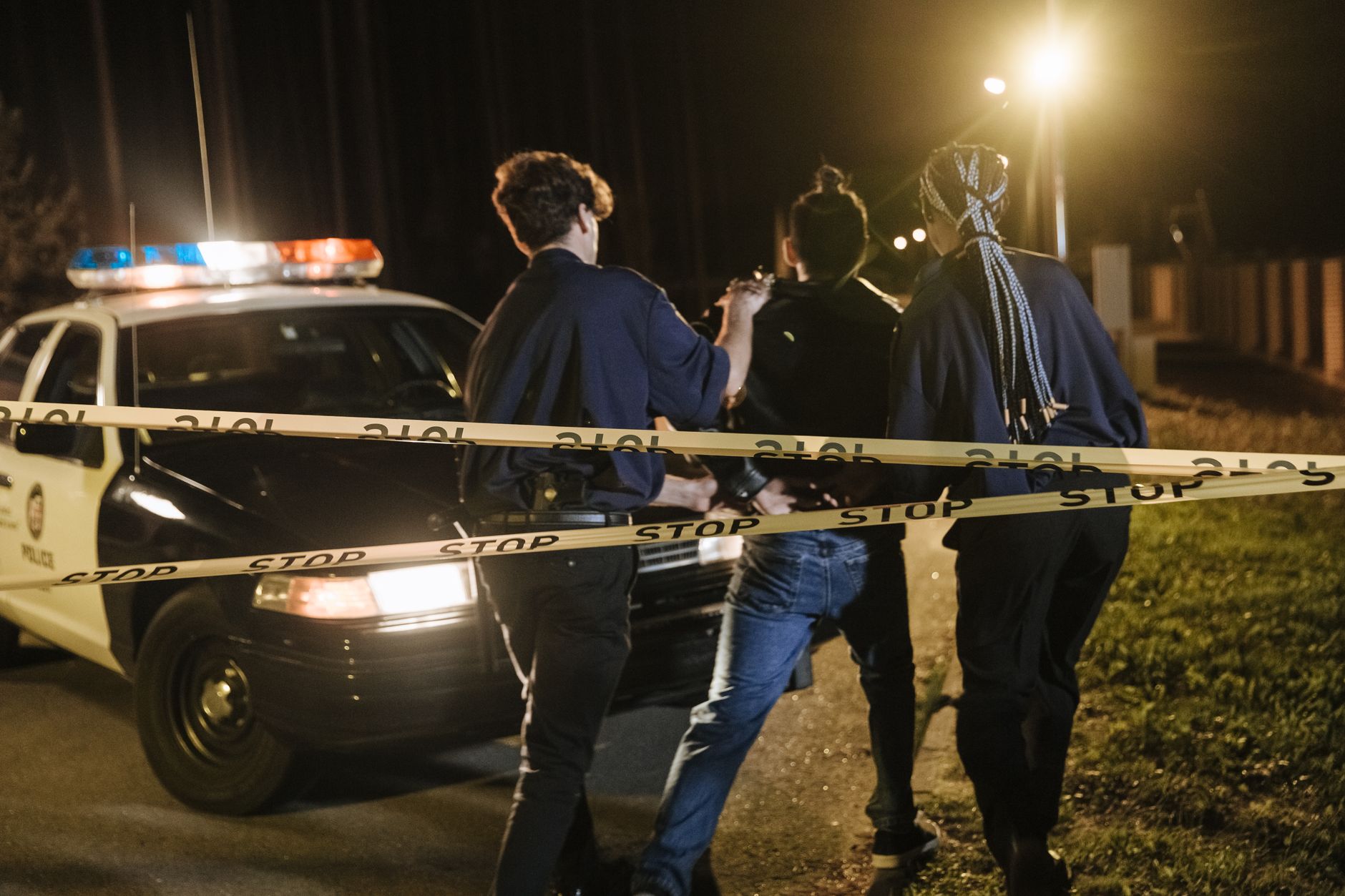
An armed robbery attempt on Seale Street in Mobile ended with a pedestrian wounded by gunfire on the evening of Monday, Aug. 3, 2026, according to the Mobile Police Department. The man was walking along the street when someone approached and tried to rob him at gunpoint, police said. The victim pulled out his own firearm and was then shot, but his injuries were not serious.
Officers were called to the scene at about 6:49 p.m. As of the following morning, Tuesday, Aug. 4, police said no one had been arrested, and investigators were working to identify and find the shooter. MPD classified the case as a first-degree robbery and assault investigation.
What Police Say Happened
The account released by MPD was brief. According to police:
- A man was walking on Seale Street on Monday evening, Aug. 3.
- Someone approached him and attempted to rob him while armed with a gun.
- The victim brandished a firearm of his own.
- He was then shot, but police said he was not seriously injured.
- Officers responded around 6:49 p.m.
Police did not release a description of the suspect, the victim’s name or age, or information about whether anything was taken. They also did not say how many shots were fired or where the victim was treated.
How the Case Is Being Classified
MPD said it was investigating the incident as first-degree robbery and assault. Under Alabama law, robbery in the first degree is among the most serious property-related violent crimes. It applies when a person, during a theft or attempted theft, uses force or threatens the imminent use of force and is armed with a deadly weapon or dangerous instrument, or causes serious physical injury to another person. It is a Class A felony, which carries a potential sentence of 10 years to life in prison.
Notably, the robbery does not have to succeed for the charge to apply. Alabama’s robbery statutes cover attempted thefts as well, which means an armed attempt to take property from someone can be charged as first-degree robbery even if the robber leaves with nothing.
Assault charges in Alabama range from third degree, a misdemeanor, up to first degree, a Class B felony. The degree depends on factors such as the level of injury, whether a deadly weapon was used and the intent of the person accused. Police did not specify which degree of assault is under investigation in the Seale Street case.
When a Victim Is Armed
The Seale Street shooting is an example of how quickly a street robbery can escalate when weapons are involved on both sides. Alabama is a permitless carry state; since January 2023, adults who may lawfully possess a firearm have not been required to obtain a pistol permit to carry a concealed handgun, though permits remain available and are useful for carrying in some other states.
Alabama law also allows a person to use physical force, including deadly force, in certain circumstances to defend against someone who is committing or about to commit a robbery or another violent felony, and the state has a “stand your ground” provision for people who are where they have a right to be. Whether any use of force was justified in a specific case is ultimately a question for investigators, prosecutors and courts. Police in this case described the man who was shot as the victim.
Law enforcement agencies generally advise people confronted by an armed robber that property can be replaced and that complying, then calling 911 as soon as it is safe, is often the safest course. Every situation is different, and police encourage residents to be aware of their surroundings, particularly when walking alone after dark.
How Investigators Work Street Robbery Cases
Street robberies can be challenging to solve because they often happen quickly and involve people who do not know each other. Detectives typically start by interviewing the victim and any witnesses to build a description of the suspect, the direction the person fled and any vehicle involved. They canvass the area for home security cameras, doorbell video and business surveillance systems that may have captured the suspect before or after the crime.
When shots are fired, investigators also collect physical evidence such as shell casings, which can be analyzed and compared through national ballistics databases to see whether the same firearm has been used in other incidents. Tips from the public frequently provide the break that connects that evidence to a name, which is why police routinely ask neighbors and passersby to share anything they saw or heard, even details that seem minor.
Safety Tips for Pedestrians
Police departments, including MPD, commonly share practical advice to reduce the risk of being targeted while walking:
- Stay alert and limit distractions such as headphones or looking down at a phone.
- Walk in well-lit, populated areas when possible, and vary routes if you walk the same way every day.
- Keep valuables out of sight and carry only what you need.
- Walk with a companion when you can, especially in the evening.
- If something feels wrong, trust your instincts, move toward other people or an open business and call 911.
How to Share Information
The case remained under investigation as of Aug. 4, and MPD asked anyone with information to come forward. Tips can be shared with the Mobile Police Department at 251-208-7211. Residents who wish to remain anonymous can also contact Mobile County Crime Stoppers, which accepts tips by phone and through its mobile app and may offer cash rewards for information that leads to an arrest.
No arrest had been announced when police last provided an update. Anyone who is later charged in connection with the shooting will be presumed innocent unless proven guilty in court.