First Family Buys a Home Through Baldwin County’s Hurricane-Funded Assistance Program
A Baldwin County household has completed the first home purchase under the county's Homeownership Assistance Program, which offers income-eligible buyers up to $85,000 in forgivable aid.
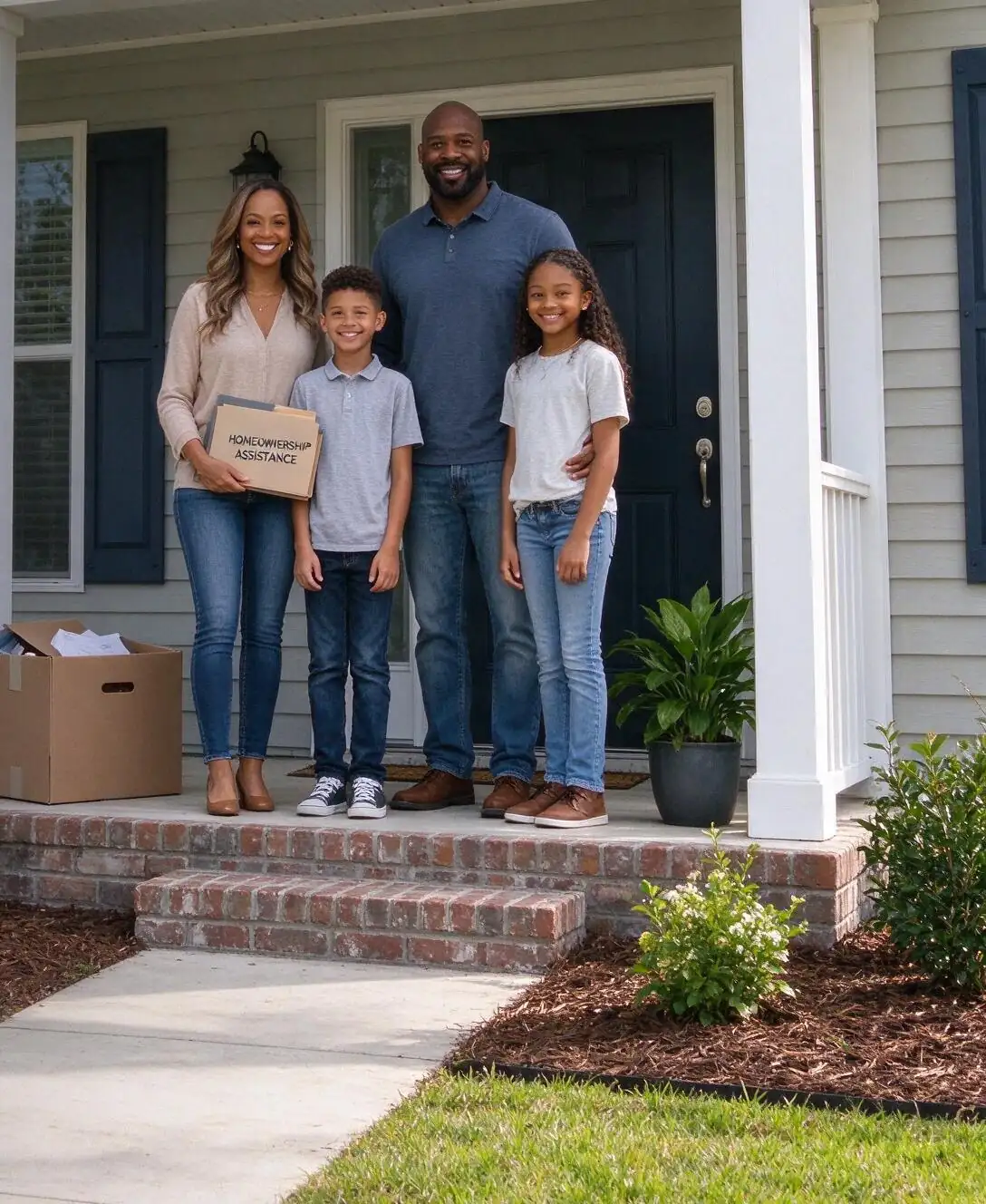
BAY MINETTE, Ala. — For the first time, a Baldwin County household has closed on a house using a grant from the county’s Homeownership Assistance Program, a hurricane-recovery initiative that can cover up to $85,000 of a home purchase for buyers who meet income limits.
The completed sale is the first under the Baldwin County homeownership program, known as HAP, since applications opened Sept. 21. County officials said they were encouraged by the milestone and hopeful that many more residents will follow. Applications remain open, and the county expects to keep accepting them through October 2028 or until the money runs out, whichever comes first.
What the Program Offers Buyers
HAP is designed for working households that can manage a monthly mortgage but struggle to close the gap between what they can borrow and what homes actually cost in Baldwin County. To bridge that gap, the program offers each qualified buyer a forgivable second mortgage worth as much as $85,000.
A second mortgage is a loan recorded behind a buyer’s primary home loan. In a forgivable arrangement, the buyer generally does not have to repay the assistance as long as program conditions are met. The specific terms that govern forgiveness are set by the program, so prospective applicants should confirm the details with the county before applying.
Key Requirements at a Glance
- Income: Household income must be at or below 80 percent of the Area Median Income, or AMI.
- Buyer contribution: Participants must put in at least $500 of their own money toward the purchase.
- Location: The home must be an eligible property in Baldwin County.
- Occupancy: The buyer must agree to live in the home as a primary residence.
- Maximum assistance: Up to $85,000, structured as a forgivable second mortgage.
The $500 minimum contribution is modest compared with the down payments many conventional loans require, which can make the program especially meaningful for families who have steady income but limited savings.
Understanding Area Median Income
Area Median Income is a benchmark calculated by the U.S. Department of Housing and Urban Development. HUD publishes income limits each year for counties and metropolitan areas across the country, and those limits vary based on how many people live in a household. A family of four, for example, has a higher income cap than a single person.
Households at or below 80 percent of AMI are generally classified as low- to moderate-income under HUD guidelines. Because the exact dollar limits change from year to year and depend on household size, residents should check the current figures with the county rather than relying on older numbers.
Where the Money Comes From
HAP is not funded by local property taxes. It is paid for with federal Community Development Block Grant Disaster Recovery dollars, commonly called CDBG-DR, that were allocated to Alabama after Hurricanes Sally and Zeta struck in 2020.
CDBG-DR funds are a special category of federal money that Congress makes available to help communities recover from major disasters. The funds flow through HUD to states and, in many cases, on to local governments. They are intended to address long-term needs, such as housing, infrastructure and economic revitalization, that remain after insurance payments and emergency aid have been used. A large share of CDBG-DR money is required to benefit low- and moderate-income residents, which is why income limits are built into programs like HAP.
The Roles of ADECA and the County
In Alabama, ADECA, the state’s Department of Economic and Community Affairs, administers the federal recovery funding. ADECA also monitors Baldwin County to make sure the program follows federal and state requirements.
Baldwin County acts as the prime subrecipient of the grant. In that role, the county runs HAP day to day and is responsible for ensuring that grant awards and funding decisions line up with both ADECA’s rules and the county’s own Long-Term Recovery Plan, the document that guides how Baldwin County is using disaster recovery dollars.
Rooted in the 2020 Hurricane Season
The 2020 Atlantic hurricane season left a lasting mark on coastal Alabama. Hurricane Sally made landfall near Gulf Shores in September 2020 as a Category 2 storm. The slow-moving hurricane brought extensive wind damage and very heavy rainfall to Baldwin County and neighboring areas, flooding homes, damaging roofs and knocking out power to large numbers of residents.
About six weeks later, Hurricane Zeta came ashore in Louisiana in late October 2020 and moved across Alabama, bringing damaging winds to parts of the state, including the Mobile Bay area, while many families were still recovering from Sally.
The back-to-back storms damaged housing across the region and added pressure to a local housing market that was already growing quickly. Programs funded with recovery dollars, such as HAP, aim to help residents regain stable housing and strengthen communities over the long term.
Why Homeownership Help Matters in Baldwin County
Baldwin County has been one of the fastest-growing counties in Alabama for years, drawing new residents to communities such as Fairhope, Daphne, Spanish Fort, Foley, Robertsdale, Gulf Shores and Orange Beach. Strong demand has pushed home prices higher, making it harder for many working families, including teachers, first responders, health care workers and service employees, to buy in the communities where they work.
Assistance that reduces the amount a buyer needs to borrow can make monthly payments more manageable and help a household qualify for a home that would otherwise be out of reach. County officials have said the first completed purchase shows how HAP can turn a family’s goal of owning a home into reality, while giving households more stability and helping strengthen neighborhoods.
How to Prepare to Apply
Every program has its own documentation requirements, so residents should get the official checklist from the county. In general, households interested in down payment or purchase assistance programs can prepare by taking the following steps:
- Gathering recent pay stubs, tax returns and bank statements for everyone in the household
- Reviewing credit reports and correcting any errors before seeking a mortgage
- Talking with a mortgage lender about pre-approval for a primary home loan
- Setting aside at least the $500 minimum contribution, plus funds for other possible costs
- Considering a homebuyer education course, which many lenders and housing agencies recommend for first-time buyers
- Confirming that the home being considered is located in Baldwin County and will be used as a primary residence
HUD-approved housing counseling agencies offer free or low-cost guidance on budgeting, credit and the home buying process, and HUD maintains a searchable list of those agencies on its website.
Budgeting for the Full Cost of Owning
Buying a home involves more than the purchase price. New owners in coastal Alabama should plan for property taxes, homeowners insurance, possible flood insurance and ongoing maintenance. Insurance costs in particular have been a major concern for many Gulf Coast households in recent years.
One state resource worth knowing about is Alabama’s FORTIFIED roof standard. Homes with a roof built or retrofitted to the FORTIFIED standard can qualify for insurance discounts under Alabama law, and the state’s Strengthen Alabama Homes program has offered grants to help eligible homeowners upgrade their roofs. Buyers can ask sellers, inspectors and insurance agents whether a home already has a FORTIFIED designation.
Checking whether a property sits in a designated flood zone is also wise before signing a contract, because flood coverage may be required by the lender and can significantly affect monthly costs.
Application Window and Funding Limits
The application period opened Sept. 21 and is scheduled to continue through October 2028. The county has noted, however, that applications could close earlier if all available funding is awarded before then. Because assistance can reach $85,000 per household, the total number of families the program can serve depends on the size of the allocation and how much each buyer receives.
Residents who think they may qualify may want to begin the process sooner rather than later.
Where to Get More Information
Baldwin County residents who want to learn more about eligibility, program rules or how to apply can reach out to the Grants and Compliance Manager for Baldwin County, who handles questions about HAP. The county can provide current income limits, application forms and details about how the forgivable second mortgage works.
With its first purchase now complete, the program has moved from planning into practice, and county leaders say they look forward to helping more Baldwin County households become homeowners in the months and years ahead.