

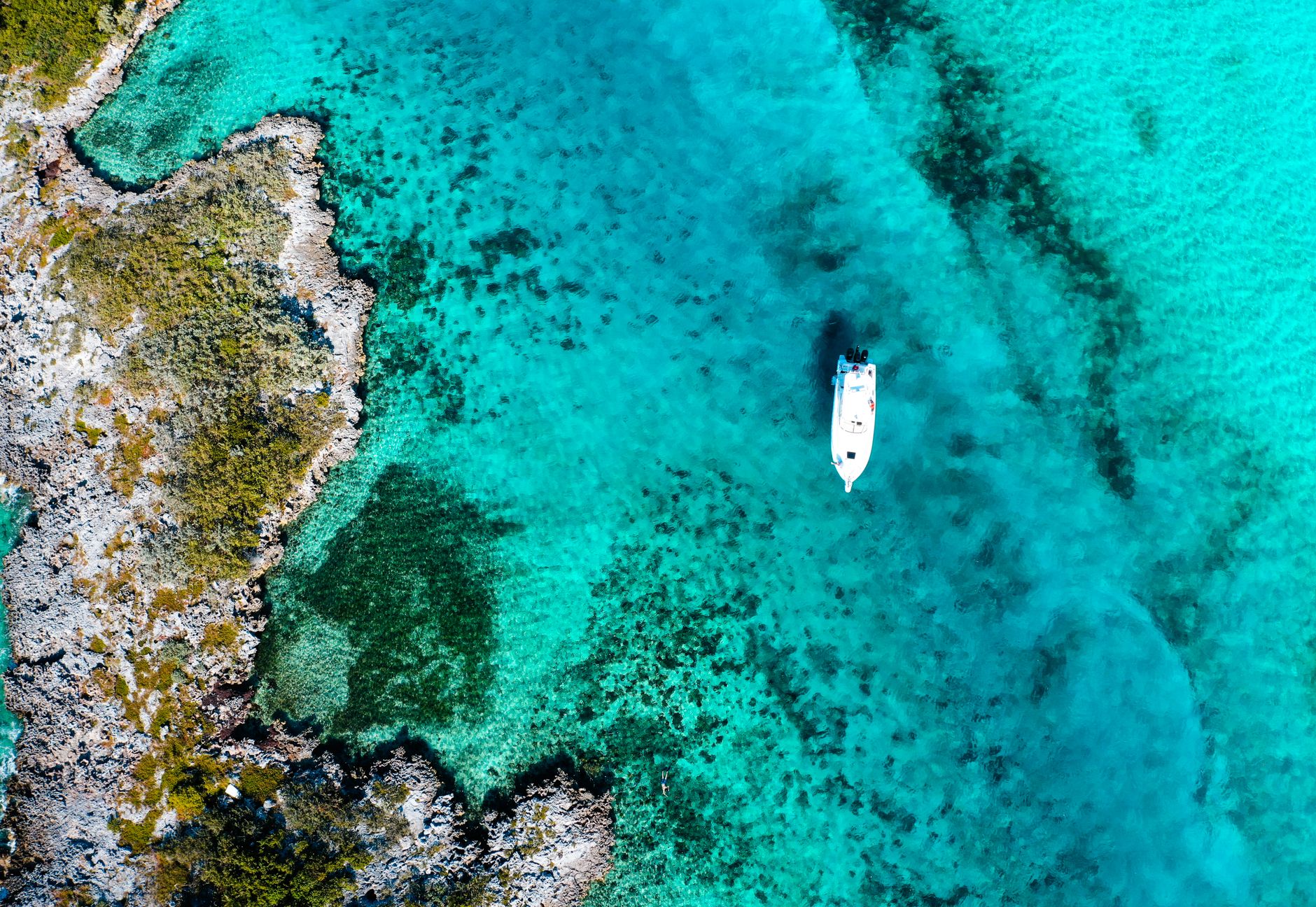
For many travelers from the Gulf Coast, a trip to The Bahamas means a cruise stop or a resort stay in Nassau, the bustling capital on New Providence Island. But those who venture beyond the capital discover a very different country. The Bahamas Out Islands, also known as the Family Islands, offer quiet harbors, pastel villages, family-run restaurants and a pace of life that longtime visitors say captures the real spirit of Bahamian island living, and for some coastal families they have become a destination passed down through generations.
The Abacos, a chain of islands and cays in the northern Bahamas, are one of the most popular gateways to that Out Island experience. Here is a guide to what makes these islands special, a few of their best-loved stops and what travelers should know before planning a trip.
More Than 700 Islands, Only a Handful Inhabited
According to the Bahamas Department of Tourism, the Bahamian archipelago includes more than 700 islands, yet only about 20 are inhabited. Everything outside of New Providence and Grand Bahama is generally considered part of the Out Islands, and each has its own character, culture and pace of daily life.
The islands’ human history stretches back centuries. The Lucayans, a Taíno people, were living in The Bahamas when Christopher Columbus made his first landfall in the Americas in 1492. Within a few decades, enslavement by the Spanish and European diseases had devastated the Lucayan population. The islands remained lightly settled for generations until the end of the American Revolution, when thousands of British Loyalists who had sided with the Crown left the new United States. Many were granted land in The Bahamas, arriving in the 1780s with the people they had enslaved and establishing settlements across the islands, including in the Abacos.
That history is still visible today. Many families in the Out Islands trace their roots on the same cays back to the late 18th century, and village names, architecture and surnames reflect the Loyalist era. It is one reason each island feels distinct: communities grew up around particular trades, families and harbors, and those identities have endured.
Much of the Out Islands’ appeal comes from everyday island culture. Menus across the Abacos feature Bahamian staples such as conch fritters, cracked conch, fresh conch salad tossed with lime, onion and peppers, grilled grouper, peas and rice, and slices of sweet johnnycake. Fresh-caught fish and spiny lobster in season turn up on tables from waterfront shacks to lodge dining rooms. Music and celebration are woven in, too; Junkanoo, the country’s signature street festival of costumes, goatskin drums, cowbells and horns, is held around Boxing Day and New Year’s Day, and many islands host regattas and homecoming festivals that bring families back from Nassau and abroad.
Man-O-War Cay and Little Harbour: Islands Built by Craft
In the Abacos, some islands are known for the trades their families have pursued for generations. Man-O-War Cay is famous for its boat builders and sailmakers, a tradition of wooden boatbuilding that has made the island a point of pride for sailors across the region. Visitors can stroll its quiet lanes and see a working maritime culture that has shaped the community for well over a century.
Little Harbour, near the southern end of Great Abaco, has a different kind of story. Its first settlers in the modern era were the family of sculptor Randolph Johnston, who arrived in the 1950s with his wife and children. While Johnston built the family’s home and art foundry, they lived for a time in a cave overlooking the harbor. The cave is not a tourist attraction, but its entrance can be seen from the water.
The Johnston family’s bronze-casting tradition continued in the gallery at Little Harbour, and the settlement is also home to Pete’s Pub, a beachside bar and grill that has become one of the best-known stops in the Abacos. Although there is little else of a commercial nature at Little Harbour, the gallery and the pub make it a favorite destination, and moorings in the harbor allow boaters to stay overnight.
Great Guana Cay and the Sunday Pig Roast at Nipper’s
Great Guana Cay, reachable by ferry from Marsh Harbour, is home to Nipper’s Beach Bar & Grill, a colorful spot perched on a high point of the island overlooking the Atlantic Ocean. From its decks, visitors can take in sweeping views of the reef and open water, and lucky guests may spot a passing whale. Nipper’s is perhaps best known for its Sunday pig roast, served with all the trimmings, which has drawn locals, boaters and tourists alike for years.
Elbow Cay and the Candy-Striped Lighthouse of Hope Town
Perhaps the best-known island in the Abacos is Elbow Cay, home to the village of Hope Town. The settlement was founded by Loyalists in the 1780s, and visitors can see the area where those first settlers came ashore to make The Bahamas their home. Hope Town’s narrow lanes are lined with brightly painted cottages, picket fences and flowering gardens, and its protected harbor is a favorite anchorage for sailors.
Hope Town is recognizable from miles away by its signature red-and-white striped lighthouse, the Elbow Reef Lighthouse, which dates to the 1860s and is known as one of the last kerosene-fueled, hand-wound lighthouses still operating in the world. Visitors can climb the 101 steps to the top for an unforgettable view of the Sea of Abaco and Hope Town Harbour.
Elbow Cay is long and narrow, so visitors can easily wander from the calm harbor side to the Atlantic beaches on the other. Cars are largely restricted in the village, and most people get around by golf cart, bicycle or on foot; rental shops offer carts and bikes, and the island is extremely walkable. There is a wide variety of restaurants, lodges and vacation rental homes, and several businesses rent motorboats by the day or week. Because of the many reefs surrounding Hope Town, hiring a local guide to pilot the boat is a wise choice for visitors unfamiliar with the waters.
Marsh Harbour: Gateway to the Abacos
Marsh Harbour, on Great Abaco Island, is the commercial hub of the Abacos and the busiest town in the chain. Most visitors arrive by air at the nearby international airport, stock up on groceries and supplies for their stay, and then catch a ferry to the outer cays. Stores on the smaller islands tend to be limited and more expensive, so many travelers provision in Marsh Harbour before heading out.
The town also has several excellent restaurants. Among the longtime favorites is Wally’s, which overlooks the harbor and has earned a reputation for some of the best food in The Bahamas. In 2025, the restaurant was marking its 40th year of serving guests, a milestone that speaks for itself in a place where, as anywhere, a mediocre restaurant does not last long.
Resilience After Hurricane Dorian
Any discussion of the Abacos today must include Hurricane Dorian. In September 2019, the Category 5 storm stalled over the Abacos and Grand Bahama, causing catastrophic damage and loss of life. Marsh Harbour and other communities were devastated, and homes, businesses, marinas and infrastructure across the islands had to be rebuilt.
In the years since, residents and businesses have worked steadily to recover, and many well-loved restaurants, lodges and marinas have reopened. Travelers planning a visit should check the current status of accommodations, ferries and restaurants before booking, and many returning visitors see their trips as a way to support the islands’ ongoing recovery.
Planning a Trip to the Out Islands
For travelers from the Gulf Coast who are interested in exploring the Family Islands, a few practical tips can help:
- Getting there: Marsh Harbour is served by flights from several U.S. cities, and some travelers connect through Florida or Nassau. Boaters often cross from South Florida.
- Getting around: Ferries link Marsh Harbour with many of the surrounding cays. Golf carts, bicycles and small boat rentals are the usual ways to get around once you arrive.
- Provisioning: Buy groceries and supplies in Marsh Harbour before heading to smaller islands, where options are fewer and prices higher.
- On the water: Reefs and shallow banks surround many cays, so consider a local guide or captain if you are new to the area.
- Documents: U.S. citizens need a valid passport for travel to The Bahamas. Check current entry requirements before departure.
- Season: Atlantic hurricane season runs June 1 through November 30, so travel insurance and flexible plans are wise during those months.
The rewards are simple ones: days spent walking beaches, shelling, snorkeling, fishing, dining out and soaking up the sun, and evenings in harbor towns where everyone seems to know everyone. Those who make the trip often come away with a new appreciation for The Bahamas, one that reaches far beyond the cruise terminals and casinos of the capital. For some families, the Out Islands become more than a vacation spot; they become a tradition shared across generations.