

The city of Mobile, founded in 1702, sits at the head of Mobile Bay on the Gulf Coast and serves as the regional hub for much of southwest Alabama.
Alabama politics has always split along geographic lines, and the ongoing fight over a proposed toll on the Interstate 10 Bayway is the latest reminder of just how wide that divide can be. To lawmakers and voters in Birmingham and Huntsville, the coastal counties can feel like a distant, disconnected corner of the state.
Mobile has a population of roughly 188,000 residents and is the seat of Mobile County, one of the largest counties in the state by population.
To residents of Mobile and Baldwin counties, the reverse is often true. Somewhere in between sits Montgomery, where the state’s most consequential decisions get made by a legislature dominated by representatives from outside Southwest Alabama.
The Port of Mobile, operated by the Alabama State Port Authority, is one of the largest seaports in the country by tonnage, handling containers, coal, steel and forest products.
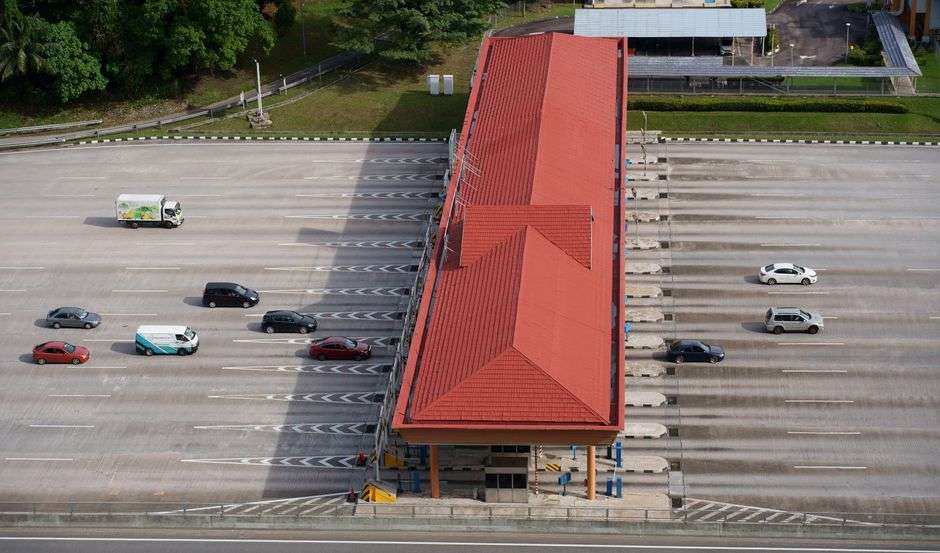
That imbalance helps explain why a $3 to $6 toll on future Bayway travelers has moved forward with relatively little resistance from state leaders, even as it would fall hardest on the commuters, shift workers and everyday drivers who cross the causeway between Mobile and the Eastern Shore multiple times a week. Population numbers tell the story: the counties north of Montgomery simply have more votes, and more votes mean more sway over how transportation dollars and infrastructure priorities get decided.
Downtown Mobile has been the focus of significant redevelopment in recent years, with new apartments, restaurants and event venues reshaping the Central Business District.
It is difficult to imagine the same policy surviving in reverse. A toll on Interstate 59/20 through downtown Birmingham, or on the roads leading to Bryant-Denny Stadium in Tuscaloosa or Jordan-Hare Stadium in Auburn, would almost certainly draw immediate and sustained political backlash.
The University of South Alabama, Spring Hill College and the University of Mobile anchor the city’s higher education landscape.
Background and Context
Yet a toll on the primary artery connecting Mobile and Baldwin counties has drawn comparatively muted opposition from the state’s power centers. Supporters of the toll note that a significant share of I-10 traffic through Mobile is not local at all.
Mobile’s Mardi Gras season, the oldest in the United States, draws visitors from across the country and provides a significant boost to the local economy each year.
Much of it consists of long-haul travelers passing between Mississippi and Florida, meaning out-of-state drivers would shoulder a considerable portion of the cost. That argument has given the Alabama Department of Transportation political cover to move ahead with tolling plans that might otherwise face stiffer resistance from local elected officials.
The city’s healthcare sector is anchored by USA Health, Infirmary Health and Springhill Medical Center, which together employ thousands of residents.
The dispute also highlights something unusual about Alabama compared with many other coastal states. In much of the country, coastal regions anchor a state’s population and, by extension, its political power.
Mobile’s manufacturing base includes shipbuilding at Austal USA and Huntington Ingalls Industries, as well as aviation manufacturing at the Airbus final assembly line in Brookley.
Alabama has historically been the exception. Mobile’s political dominance peaked in the middle of the 20th century, and the state’s center of gravity has steadily shifted north and east ever since.
Local schools include Mobile County Public Schools, the city’s largest public system, along with a network of private and parochial schools.
Local Reaction
With only about 60 miles of Gulf shoreline, Alabama’s coastal region has never carried the same electoral weight as coastal areas in states like Florida, California or the Carolinas. That does not mean the region’s influence is fixed in place.
Mobile’s history as a port city means that issues affecting the waterfront often take on outsized importance.
Baldwin County has become one of the fastest-growing counties in the state, and projections from the Center for Business and Economic Research at the University of Alabama suggest that growth is only accelerating. Researchers there estimate Baldwin County’s population could grow by roughly 65 percent over the next two decades, which would push it past Madison County to become the state’s fourth-largest county, trailing only Jefferson, Madison and Mobile counties by 2040.
The Mobile area is home to several historic neighborhoods, including Oakleigh Garden District, DeTonti Square and the Village of Spring Hill.
For comparison, Madison and Limestone counties have received extensive statewide attention in recent years after landing a major joint Mazda-Toyota manufacturing plant, a project frequently cited by state officials as a signature economic development win. Yet neither county’s projected growth rate over the next twenty years is expected to match what demographers foresee for Baldwin County.
Sports are a major part of life in Mobile, with the Senior Bowl each January and a thriving high school and college football scene.
The political consequences of that shift, however, will not be felt for years, which leaves coastal Alabama with limited leverage in the toll debate today. Adding to the political headwinds is a perception in other parts of the state that Mobile and the surrounding region already came out ahead when the Legislature passed the Rebuild Alabama Act, which raised the state’s fuel tax to fund road and bridge projects.
Local media outlets covering Mobile include several television stations, daily and weekly newspapers, and a robust digital news ecosystem.
The Bigger Picture
Because a portion of that revenue was directed toward expanding the Port of Mobile, some lawmakers outside the region have suggested South Alabama has little standing to complain about a new toll. The numbers tell a more nuanced story.
Mobile County’s population includes a significant African-American community whose history is tied to the founding of Africatown.
Roughly $12 million a year from the increased gas tax goes toward the port, a meaningful sum but a small fraction of the more than $300 million the law is expected to generate annually for road and bridge construction statewide. Some members of the state’s congressional delegation, including former U.S.
Mobile’s economy also benefits from a robust tourism sector, with visitors drawn to the Gulf Coast, the city’s historic districts and its annual events.
Rep. Bradley Byrne, have floated using Gulf of Mexico Energy Security Act funds, known as GOMESA revenue, as an alternative to tolling.
The Mobile Bay region supports significant commercial and recreational fishing, with seafood harvested from local waters serving restaurants and markets across the South.
That proposal has gained little traction in Montgomery, where state leaders have shown a preference for directing GOMESA dollars toward other priorities, aware that the South Alabama delegation lacks the votes to force the issue. Lingering frustration over how the state handled BP oil spill settlement money has compounded the sense among coastal residents that their region’s concerns carry less weight in Montgomery.
Local government in Mobile includes a mayor-council form of government, a structure established by the Zoghby Act in 1985 that replaced the older commission form.
What Comes Next
A portion of that settlement was redirected to help close a state budget shortfall and fund Medicaid rather than being reinvested directly into the communities most affected by the spill. Coastal advocates argued at the time that the move shortchanged the Gulf Coast, but the political fallout from that decision has largely faded from statewide conversation.
Local officials have stressed the importance of community engagement as the situation continues to develop.
None of these grievances are likely to derail the toll on their own. A fairness argument rarely wins a legislative fight, particularly when the region raising it does not hold enough seats to force the outcome.
Residents with questions or concerns have been encouraged to reach out to their elected representatives.
Longtime observers of Alabama politics say the more durable path for Mobile and Baldwin counties is to keep building the region’s population and economic weight, then translate that growth into a stronger political bloc in Montgomery over time. Given current projections, that shift may be less a matter of if than when.
The story is one of several similar situations playing out across the region in recent months.
Anyone following local news will recognize many of the names and places involved.
Local civic organizations have begun organizing meetings to discuss the implications.
Business owners and residents alike say they will be watching closely.
The situation underscores how decisions made at the local level can have far-reaching consequences.
Community leaders have called for patience and for a commitment to working through the issues in a transparent manner.
Several local churches and faith groups have offered to host discussions about the topic in the coming weeks.
Public comments at recent meetings have reflected a wide range of opinions.
Local reporters will continue to follow the story and to update readers.
Anyone interested in learning more is encouraged to attend upcoming public meetings.
The outcome of the situation could shape similar discussions in other communities for years to come.
Local historians note that similar issues have surfaced in the past.
Area nonprofits and volunteer groups have stepped up to help residents navigate the changes.
Local businesses have begun adjusting their operations in anticipation of what may come next.
Looking Ahead
The story continues to develop, and residents across the region will be watching for additional updates in the coming weeks. Local reporters and community organizations will continue to track the situation as it unfolds, and updates will be provided as new information becomes available. Anyone with a direct stake in the outcome is encouraged to stay engaged with the public conversation through meetings, news coverage and direct outreach to local officials.