

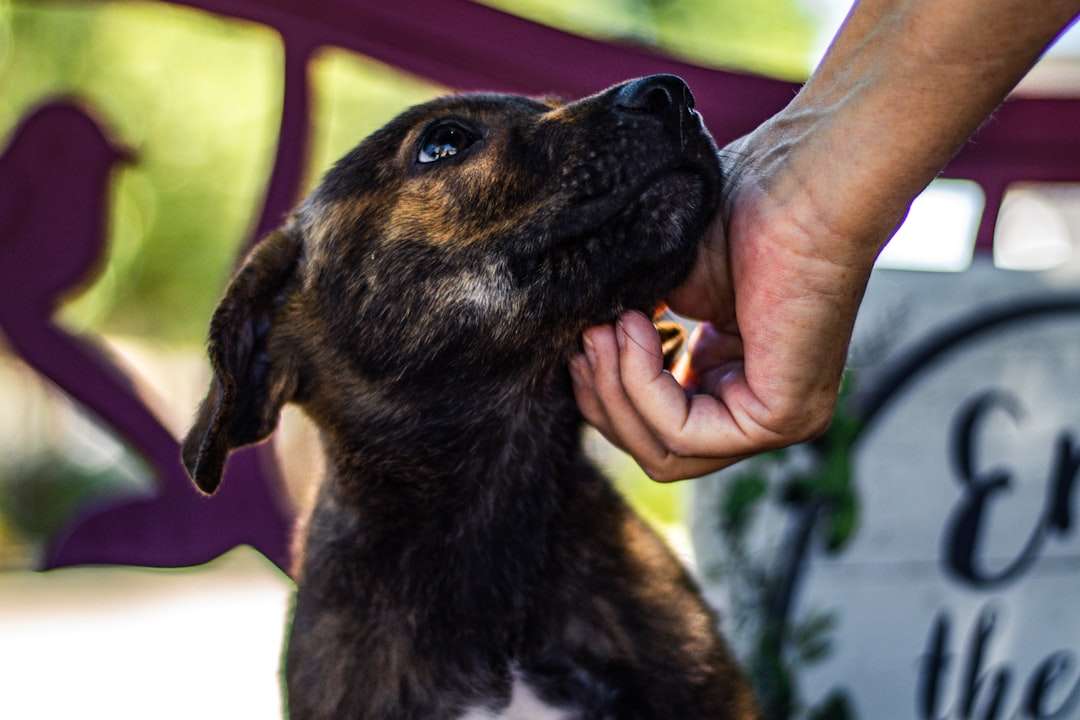
DAPHNE, Ala. — The Daphne Animal Shelter will waive adoption fees for cats and dogs this Saturday, Aug. 1, as part of its second annual “Clear the Shelter” event, an effort to find homes for dozens of animals amid a summer surge in intake that shelter staff say has become the new normal. About 50 dogs and cats from the Daphne shelter and several other area shelters that are running out of space will be available for free adoption during the one-day event.
Baldwin County has only four animal shelters, and Daphne’s is limited by policy to taking in animals found within the Daphne city limits — a small coastal-plain city on the Eastern Shore of Mobile Bay in Baldwin County. That restriction means the shelter can stay relatively uncrowded even as facilities elsewhere in the county fill up.
The city-limits policy is the quiet fact that makes the event work. A shelter that accepts only animals found inside Daphne’s boundaries draws from a fixed, comparatively small population, while shelters elsewhere in Baldwin County must absorb strays and surrenders from sprawling unincorporated areas and smaller municipalities without facilities of their own. When those shelters overflow, a fee-free adoption day at Daphne becomes pressure relief for the whole system rather than just one facility.
Why shelters see a summer spike
Animal shelters across the country typically see intake climb in the warmer months, when unspayed and unneutered cats and dogs produce litters of kittens and puppies. Daphne is no exception. Shelter manager Deaon Bryant said the facility has been taking in significantly more animals year over year. “We’re averaging 100 more animals every year than the year before,” Bryant said.
The mathematics of the summer spike are unforgiving. A single unspayed female cat and her offspring can produce multiple litters in one breeding season, and each of those kittens can breed within months, which is why kitten season overwhelms kennels before staff have finished placing the spring’s arrivals. Dogs follow the same curve in slower motion. Shelters across the Gulf South, with long warm seasons that stretch the breeding window past that of northern states, see the wave arrive earlier and last longer.
Despite that broader trend, Bryant said Daphne’s shelter is currently in better shape than many of its neighbors. Recent adoptions have kept kennel space open, but Bryant was quick to point out that other Baldwin County shelters are not as fortunate. “Right now, we don’t have a lot of animals in our shelter, which again we’re very fortunate. We’ve had a lot of adoptions recently, but we do know that our sister shelters in the area do have a lot. Let’s get as many of them into homes as possible,” Bryant said.
That framing is why the event pulls from multiple facilities. The animals available Saturday will include dogs and cats transferred in from shelters that have run out of room, giving those facilities breathing room while giving adopters a wider selection than any one shelter could offer on its own.
Every adoption opens a spot
Shelter staff describe adoption as a chain reaction: each pet that leaves with a new family frees up space for another animal in need, whether that animal is a stray found on a local road or one transferred in from a crowded partner shelter. Bryant framed it plainly. “For every animal that’s adopted, that’s one spot that opens up for another one that’s out on the street somewhere,” Bryant said.
The chain-reaction logic is what separates adoption events from ordinary fund drives. A single Saturday placement sets off a sequence — a kennel opens, a transfer arrives from a full shelter, a run opens there, and another animal moves off a waiting list — that continues for weeks after the event ends. Staff plan around it the way a hospital plans around discharges, knowing that capacity is not a number but a flow.
Staff also acknowledged that not every adoption happens quickly. Some animals, particularly older pets or those with special needs, can wait weeks or months before finding the right match. Events like Saturday’s are designed to speed that process along by removing the cost barrier and drawing a larger crowd of potential adopters than a typical weekend.
The harder-to-place animals are the reason fee-free events matter even when kennels are not full. Senior dogs and cats, three-legged animals, heartworm-positive dogs awaiting treatment and shy animals that shut down in kennels all cost the same to hold as easy placements but wait far longer for a home. A crowd drawn by free adoption includes the occasional family that was never looking for a puppy and finds an older dog instead — the match that, in an ordinary weekend, often never happens.
What to know about Saturday’s event
The “Clear the Shelter” event is Daphne’s second consecutive year participating, mirroring a model used by shelters nationwide that hold coordinated, fee-free adoption drives to move animals into homes quickly. The name itself has become a national shorthand, borrowed from the televised adoption campaigns that popularized the format, and shelters that run the events annually report them among their highest-traffic days of the year.
On Saturday, roughly 50 cats and dogs — pulled from the Daphne shelter as well as a few other local shelters that are over capacity — will be available with no adoption fee. Adopters who leave with a new pet Saturday can also take advantage of a 15% discount on pet supplies at Tractor Supply Company by showing proof of the adoption, giving new pet owners a head start on food, bedding, leashes, and other essentials.
Prospective adopters should arrive prepared for the process to move quickly and for the best-known animals to draw immediate interest. Staff typically encourage families to bring everyone who will live with the pet, including other dogs where meet-and-greet space allows, because a same-day introduction prevents the returns that follow a hasty match. Rentals and homeowners associations have pet policies worth checking before arriving, and shelter staff can advise which animals fit a household that already includes children or other pets.
Adopters should also plan for the first days home, which shelter veterans consider the real adoption period. A new dog or cat often eats little and hides much for the first week, and the supply discount exists precisely because that transition takes more food, cleaning and patience than newcomers expect. Heartworm prevention, flea treatment and initial vet visits follow within days of any adoption from a shelter environment.
Why it matters
For a growing coastal community like Daphne, which sits along U.S. Highway 98 between Spanish Fort and Fairhope, keeping the local shelter’s population manageable has ripple effects across Baldwin County. Because Daphne can only accept animals found within its own city limits, its relative capacity gives it room to help neighboring shelters that lack the same flexibility.
Baldwin County’s growth amplifies the stakes every year. New subdivisions spreading along the Highway 98 and Highway 181 corridors bring more households, more pets and, inevitably, more strays and surrenders, while the county’s four shelters draw fixed budgets and volunteer rosters that do not grow as fast as the population they serve. An adoption day that moves fifty animals out of the system is one of the few interventions that scales quickly enough to matter.
Free adoption events like Saturday’s are one of the few tools shelters have to quickly reduce overcrowding without resorting to euthanasia, and organizers are hoping a strong turnout will make a dent in the regional backlog heading into the fall. Residents interested in adopting are encouraged to arrive early, since the animals available Saturday are drawn from multiple shelters and the selection may change as pets are adopted throughout the day.
The fall deadline matters for the shelters sending animals to Daphne. Intake typically stays elevated through the warm months, so a shelter that empties its overflow kennels in early August buys weeks of margin before the next wave of kittens and puppies arrives. A strong turnout Saturday would not end the county’s animal population problem — spaying and neutering remains the long-term fix — but it would give every shelter in Baldwin County a running start on the season still to come.
The economics behind a waived fee puzzle some first-time visitors, who assume a free animal is a careless placement. In practice, adoption fees rarely cover the real cost of preparing an animal for adoption — vaccinations, spay or neuter surgery, microchipping and days of food and care far exceed the standard charge — so the fee’s main function is screening, and the adoption application and staff interview still do that work on event days. Shelters that run fee-free events regularly report return rates no higher than those of standard adoptions, which is why the model keeps spreading despite the misgivings of a few longtime volunteers.
The event also doubles as a community touchpoint that pays off beyond Saturday. Families who visit for a free adoption leave knowing where the shelter is, what volunteering looks like and how to report a found animal, and shelters convert a share of those visitors into fosters, donors and eventual adopters on a second trip. In a county with only four shelters, that familiarity is part of the infrastructure; the building on the event flyer becomes the place the neighborhood knows how to use.