Family of Pensacola man killed on Escambia River Bridge still seeking answers
The family of Adam Lay, 37, killed on the Escambia River bridge on New Year's Eve, says no arrests have been made in the Pensacola hit-and-run.
The family of a Pensacola man who was struck and killed along the Escambia River bridge on New Year’s Eve says they are still searching for answers after no arrests have been made. More than a week into the new year, the case remained open, and relatives said the silence has deepened a loss that had barely had time to begin.
Adam Lay, 37, had recently become a father to a 2-month-old daughter, Ava, in November and was preparing to marry his fiancee, Christina Bauer. The two had been building a life in the Pensacola area, and the weeks since his death have left his family juggling grief for a son and partner with the realities of an infant who will not remember her father.
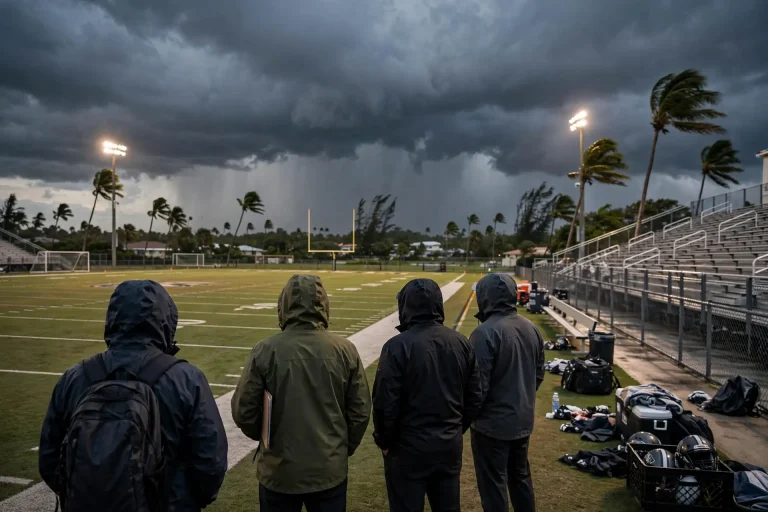
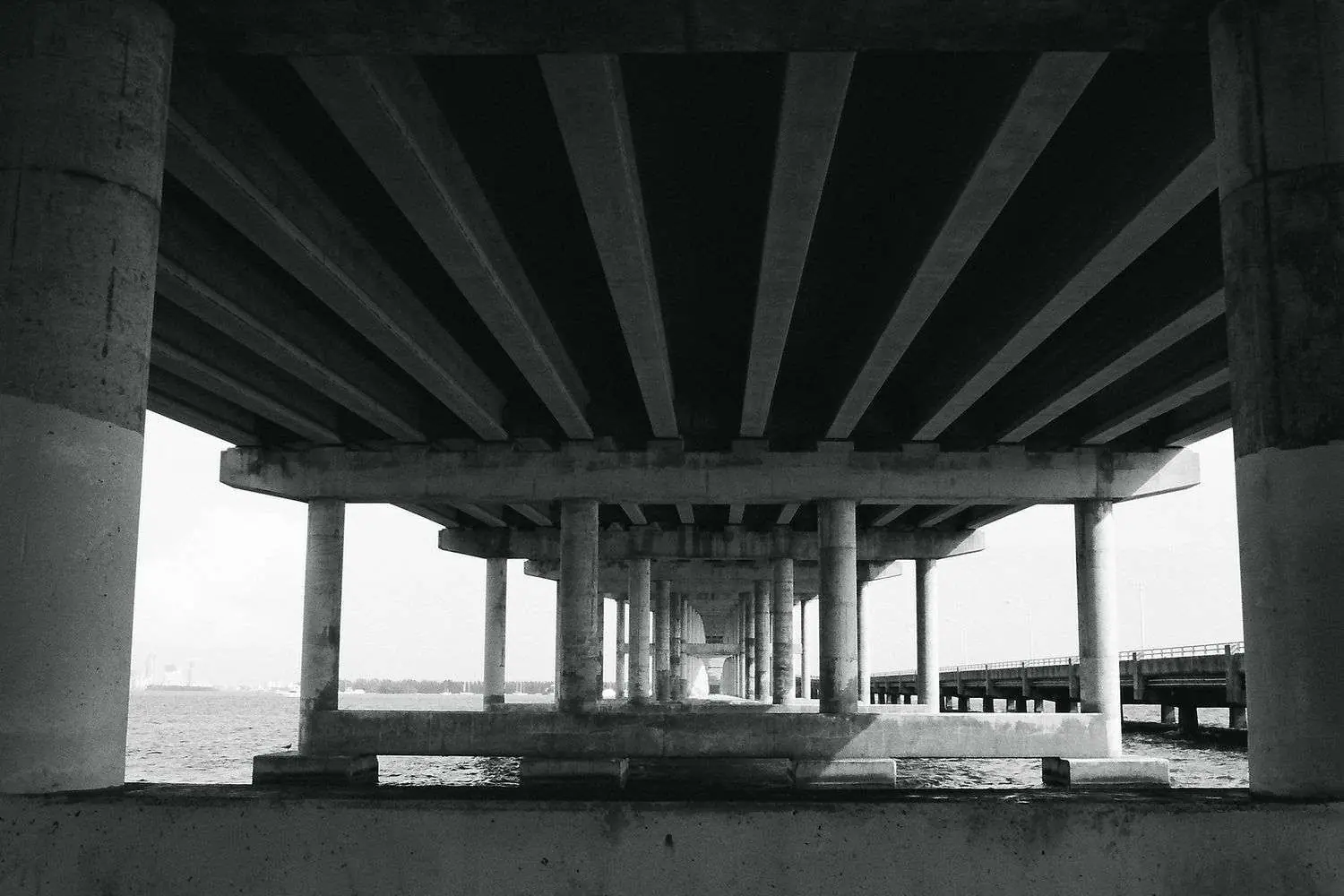
He was driving from Milton to Pensacola around 9 p.m. on New Year’s Eve when he ran out of gas on the bridge, according to his family. He got out of his truck, and a man in his 20s struck Lay and then crashed into the back of the truck, family members said. The bridge, which carries traffic across the Escambia River between Santa Rosa County and the Pensacola side of the bay area, is a dark stretch of roadway on a holiday night, with narrow shoulders and steady holiday traffic.
“He’s missed dearly and it hurts,” Bauer said. Her words have carried the family’s grief to reporters and investigators alike as they press for progress in a case that, so far, has produced no arrest.
A mother’s questions for investigators
Lay’s mother, Deborah Ware, said witnesses told her her son had his hazard flashers on when he stopped, meaning the disabled truck was doing what state law expects of drivers: signaling other motorists to the hazard. That detail matters to the family, because it undercuts any suggestion that Lay bore responsibility for his own visibility on the bridge.
She said Florida Highway Patrol troopers did not conduct tests to determine whether the driver was under the influence because, she was told, they did not have the staffing to do so that night. New Year’s Eve is among the busiest nights of the year for highway patrol districts across Florida, with crashes, DUI stops and holiday traffic stretching troopers thin from the evening through the early hours.
“I said, ‘Do you think my son’s life was not important enough to get a toxicology report and make sure you got one?’ And that’s what I was told … not enough manpower,” Ware said. Her account has become the family’s central grievance: not only that the driver has not been caught, but that steps she believes were possible that night were not taken.
The family says they want the driver held accountable as the investigation continues, and they are asking anyone with information about the crash to contact the Florida Highway Patrol. Relatives have kept pressure on the case by talking publicly, sharing the circumstances of the crash and urging anyone who was on the bridge that night to come forward with what they saw.
The stretch of highway across the Escambia River is a familiar commute corridor for drivers moving between Milton, Pace and Pensacola, and holiday evenings bring returning parties and travelers across the bridge in both directions. A stopped vehicle on the bridge offers a driver nowhere to retreat: the roadway narrows, the shoulder is minimal, and traffic has little room to maneuver around an obstacle in a travel lane.
Florida law requires drivers involved in a crash involving injury to remain at the scene, render aid and report the crash, and leaving the scene of a crash involving death is a first-degree felony under state statutes. Investigators in hit-and-run fatalities rely on vehicle debris, damage patterns, witness accounts and tips from the public to identify drivers, which is why the family’s appeal to witnesses carries practical weight as well as emotional force.
Toxicology testing, where it is conducted, determines whether a driver was operating under the influence of alcohol or drugs — findings that can elevate charges and shape sentencing if an arrest follows. The family’s frustration centers on the window that closed that night, since impairment evidence gathered hours after a crash is stronger than suspicions assembled weeks later.
Highway patrol staffing on holiday nights is a long-standing tension in Florida and across the country. Districts typically cancel days off and schedule maximum coverage for New Year’s Eve, but the combination of celebration-driven crashes and ordinary callouts can still exceed what the road patrol can investigate in depth before dawn.
What comes next in the case
Investigators have not named a suspect, and the family’s account of a man in his 20s who struck Lay and then hit the truck remains the public description of the driver. Cases of this kind can move slowly: investigators wait on laboratory work, re-interview witnesses and pursue tips, sometimes for months, before an arrest resolves the question of what happened on the bridge.
The family’s public campaign reflects a hard-earned understanding of how these cases proceed. Witnesses who drove across the Escambia River bridge around 9 p.m. that night may hold details they do not realize matter — a description of a vehicle, a license plate remembered late, a dash camera file they have not reviewed. Each such detail can move an investigation forward.
For the family, the campaign is also about Ava. Relatives describe a little girl whose father will exist for her only in photographs and stories, and who deserves an accounting of the night that took him. That conviction has kept Ware and Bauer speaking out even as the investigation stretches on.
Local attention to the case has kept it visible on both sides of the bridge, in Milton and in Pensacola, where Lay had built his life. The family says the message they want delivered is simple: someone knows what happened on the bridge that night, and coming forward would let a father’s family begin to close the unanswered chapter of his loss.
The grief in the Lay household is layered with ordinary logistics that no family expects to face in the first weeks of a child’s life. Bauer has navigated those weeks with Ava while pressing investigators for updates, and relatives describe the dual burden of caring for a newborn and chasing a case that seems to move only when the family pushes.
Friends and extended family have organized around the couple’s needs, helping with the practical demands that follow a sudden death — arrangements, paperwork and the daily care of an infant — so that the people closest to Lay can focus on finding answers.
The story has resonated with drivers across the Pensacola area because the scenario is so recognizable. Running out of gas is an inconvenience on most roads; on a narrow bridge at night, it becomes a life-threatening emergency, and many locals have driven that same span from Milton to Pensacola without ever thinking twice about the margin for error.
Disabled vehicles and roadway danger
Transportation safety agencies have long warned that stopped vehicles are among the most dangerous situations on any highway. National data on roadside fatalities shows that drivers and passengers who exit a disabled vehicle face serious risk from passing traffic, particularly at night, when other motorists may not register the stationary car until they are upon it.
Hazard flashers are the first line of defense the law provides, and witnesses’ reports that Lay had them activated indicate he took the step drivers are trained to take. Safety officials still urge motorists to remain belted inside the vehicle when possible and to call for assistance rather than standing near the roadway — guidance that underlines how little protection a stopped truck on a bridge offers, flashers or not.
Holiday nights compound those risks. Darkness comes early in winter, traffic mixes partygoers with commuters, and the Great River bridge corridor carries the full weight of the Milton-Pensacola connection on a night when drivers may be tired, distracted or impaired. A breakdown on such a night leaves little room for another driver’s mistake.
Advocates for roadway safety note that these crashes are often the result of a chain of small failures — a vehicle that stalls, a shoulder too narrow to shelter it, a driver approaching too fast or too impaired to react. Understanding that chain is part of what families in hit-and-run cases say they need from an investigation: not just a name, but a full accounting.
For now, the Lay family’s account of the night — the empty gas tank, the flashers on, the man in his 20s, the second impact into the truck — stands as the public record while the official investigation continues. They say they will keep telling it until someone answers for it.