

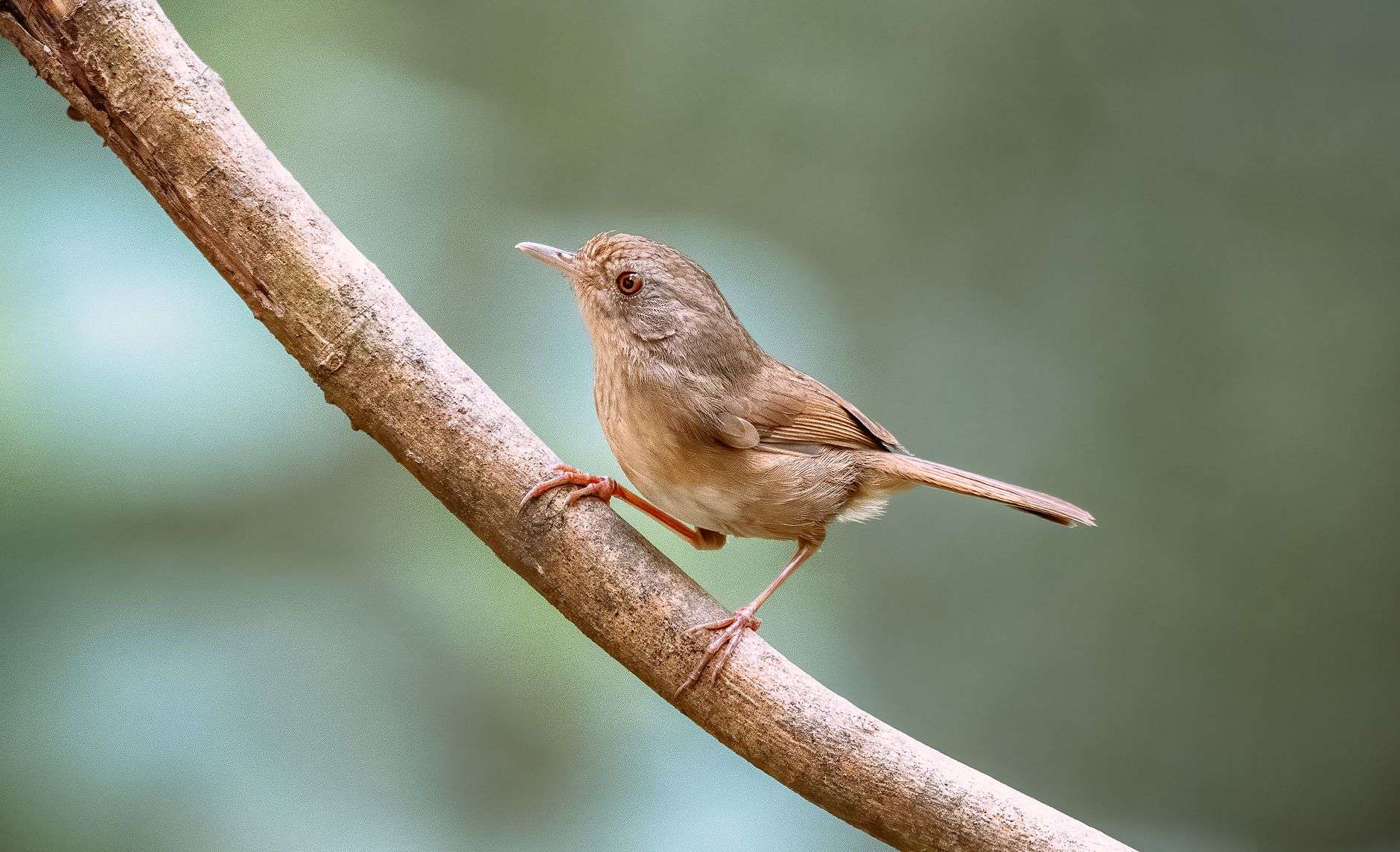
FORT MORGAN, Ala. — Visitors to Fort Morgan State Historic Site will be able to watch licensed researchers band migrating songbirds up close when the Banding Coalition of the Americas holds its 2026 fall Fort Morgan bird banding session Oct. 3-10 at the tip of the peninsula.
The Foley-based nonprofit will operate its banding station daily from 8 a.m. to 3 p.m., except on the final day, Oct. 10, when the station will close at noon. The public is invited to drop in at any point during those hours to see federally licensed bird banders collect data and fit wild birds with identification bands while answering questions from onlookers.
Organizers describe the event as a family-friendly, all-ages experience, and volunteers will also give short talks on a variety of bird and conservation topics throughout the week. There is no charge from the coalition to attend, though donations to the nonprofit are welcome. Fort Morgan State Historic Site does charge its regular entry fee, and fort staff will direct visitors to parking.
What to know before you go
- What: 2026 Fort Morgan Fall Bird Banding, hosted by the Banding Coalition of the Americas
- When: Saturday, Oct. 3, through Saturday, Oct. 10; 8 a.m. to 3 p.m. daily, closing at noon on Oct. 10
- Where: A wooded area on the grounds of Fort Morgan State Historic Site, at the western end of Alabama 180. The coalition says the station is set up in the fort’s stables area, reached by the first brick road on the right past the sea wall, and is marked with a sign.
- Cost: Free from the coalition; donations appreciated. The historic site charges its standard admission.
- Bring: An easy-to-carry chair, water, snacks, sunscreen and bug repellent. The coalition also recommends closed-toe shoes.
- Pets: The coalition asks visitors to leave pets at home.
According to the coalition, portable toilets are available at the banding site. Visitors with disabilities who are concerned about access, as well as school, scouting or birding groups that want to attend together, are encouraged to contact the organization in advance through its website so a visit can be arranged.
Why Fort Morgan draws birds — and bird banders
The Fort Morgan peninsula is one of the most important migratory stopovers on the northern Gulf Coast. Each fall, songbirds, hummingbirds, raptors and other species funnel south along the coast before making the long crossing of the Gulf of Mexico to wintering grounds in Mexico, Central America and South America. The peninsula’s maritime forest and scrub, sitting at the mouth of Mobile Bay, offer a last place to rest and feed before that flight.
The same geography makes the site valuable for spring migration, when exhausted birds returning from the tropics make their first landfall on the Alabama coast. As previously reported, Alabama Audubon and its partners run a separate spring banding program at Fort Morgan each April. The Banding Coalition’s session is the fall counterpart, timed for the peak of southbound migration.
Early mornings are generally the most productive time to see birds, organizers have said in past years, though migration is notoriously hard to predict and a shift in the wind can change the day’s catch.
How bird banding works
Bird banding is one of the oldest tools in ornithology. At a banding station, researchers set up fine mesh “mist” nets in areas where birds are likely to fly. Trained banders carefully remove captured birds and fit each one with a small, lightweight metal band stamped with a unique number before recording data such as species, age, sex, wing length, weight and fat stores. The bird is then released.
In the United States, banding is regulated by the U.S. Geological Survey’s Bird Banding Laboratory, and only people holding federal permits may band wild birds. When a banded bird is later recaptured or found elsewhere, its number allows scientists to piece together its movements, lifespan and migration routes. Over years and decades, the data collected at stations such as Fort Morgan help researchers track changes in bird populations, the timing of migration and the health of the habitats birds depend on.
Because the process takes place in the open, public banding events give visitors a rare chance to see wild birds at arm’s length, learn how researchers handle them and ask questions of the people doing the work. Visitors who bring cameras often come away with close-up photographs of species they might otherwise glimpse only through binoculars.
Carrying on the Sargents’ legacy
Bird banding at Fort Morgan has a long history. Bob and Martha Sargent, through their Hummer/Bird Study Group, began conducting spring and fall banding sessions at the fort in 1989 and ran the station for decades. Bob Sargent, regarded by many as the patriarch of Alabama bird banding, and his wife trained more than 100 volunteers in the craft over the years. He died in 2014.
The Banding Coalition of the Americas was formed by former trainees of the Sargents to continue that research and public outreach. According to the organization, it has operated a fall public banding session at Fort Morgan for eight to nine days every year since 2019, typically during the first week of October.
When the coalition announced an earlier fall session in 2021, its public relations and outreach director, Kyle Shepard, said its entire board of directors had been trained to band birds at Fort Morgan under the Sargents and the Hummer/Bird Study Group. Shepard said at the time that he first attended a banding event at the fort at age 10 and banded his first bird there two years later.
The coalition describes its mission as research and education about birds, including the vital role coastal ecosystems play in migration.
About Fort Morgan State Historic Site
Fort Morgan, a masonry fort completed in 1834, guards the entrance to Mobile Bay and is best known for its role in the 1864 Battle of Mobile Bay during the Civil War. Today it is operated by the Alabama Historical Commission, which the Banding Coalition credits with providing access to the land for its banding work.
The fort sits at the western tip of the Fort Morgan peninsula, about 20 miles west of Gulf Shores along Alabama 180. Because the historic site charges admission, visitors attending the banding event will pay the fort’s regular entry fee at the gate. Details on current admission and hours are available from the Alabama Historical Commission.
Tips for a good visit
The banding station is set up in a wooded area rather than in the fort itself, so visitors should come prepared to spend time outdoors. Early October on the Alabama coast can still be warm and humid, and mosquitoes are common in shaded, wooded spots. Sunscreen, bug repellent and plenty of water are musts, and a lightweight folding chair makes it easier to wait comfortably between net checks.
Visitors should follow the directions of banders and volunteers, keep a respectful distance from nets and give researchers room to work. Birds are handled quickly and released promptly to minimize stress.
For families, the event can be an easy introduction to birding and field science. Children can watch researchers measure and weigh birds, see species up close and ask how scientists use the information they collect.
With eight days on the calendar, visitors who miss one morning can simply try again. Every day at a migration stopover is different, and the birds that turn up at Fort Morgan on any given morning are, in a real sense, passing through on their way to another continent.