

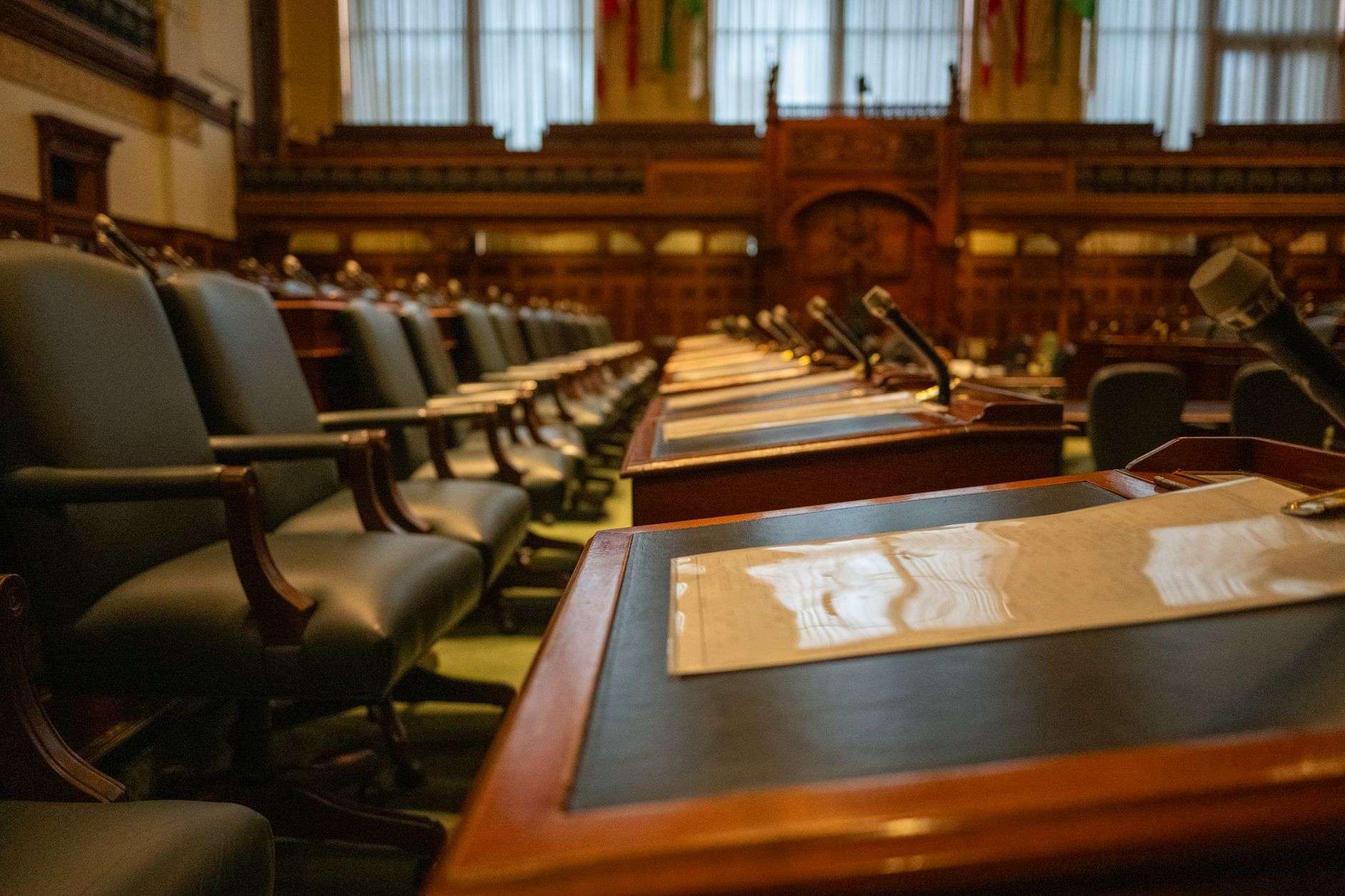
Gulf Shores officials will hold a special City Council work session on Monday, July 27, at 2:30 p.m. to discuss proposed changes to the city’s 2027 Mardi Gras parade. The meeting will take place in the City Council Chambers and is open to the public. City leaders are inviting local business owners and residents to attend, learn more about the proposed modifications, ask questions and share feedback before any changes are finalized — an unusually early look at planning for a parade season that is still nearly six months away.
Because the session is being held as a work session rather than a regular voting meeting, officials are expected to use the time to gather public input and discuss options rather than take formal action. Work sessions in Gulf Shores follow a familiar rhythm: council members and city staff lay out proposals in detail, answer questions without the procedural constraints of a voting meeting, and hear directly from the people most affected. Anything that emerges from the discussion would still need to come back before the council in a formal meeting for a vote.
Mardi Gras parades have become an increasingly prominent part of Gulf Shores’ calendar in recent years, drawing crowds of locals and visitors to the city’s streets during Carnival season. As with many coastal communities along the Alabama Gulf Coast, growth in parade attendance has periodically prompted city officials to revisit logistics such as routes, staging areas, road closures and public safety planning to keep events running smoothly as crowds grow. Gulf Shores entered the parade tradition later than its neighbors — Mardi Gras itself took root in Mobile more than three centuries ago and remains a defining institution there — but the beach city’s parades have grown quickly as the city itself has grown.
Details of the specific changes under consideration were not included in the meeting announcement. That gap is precisely what Monday’s session is designed to fill, giving the administration a chance to present its thinking and the public a chance to react before proposals harden into policy. Residents and business owners with questions about how the changes could affect traffic, parking or operations near the route are encouraged to attend and weigh in before the council considers formal action at a future meeting.
The Proposal on the Table
Ahead of Monday’s session, city administration confirmed the specific proposal set for discussion: a memorandum of understanding between the City of Gulf Shores and the newly formed Pleasure Island Revelers Mardi Gras Krewe for collaborative planning and execution of the 2027 parade. The proposed parade date is Jan. 23, 2027, placing the event in the opening stretch of the Carnival season, which runs from Twelfth Night in early January through Fat Tuesday.
Grant Brown, the city’s Recreation & Cultural Affairs Director, said a group of longtime local Mardi Gras participants organized as the Pleasure Island Revelers and approached the city about returning parade production to the community, with the city continuing to provide support. The name nods to the Pleasure Island identity long associated with the Gulf Shores and Orange Beach area, and the makeup of the group — veterans of previous parade efforts rather than newcomers — signals an emphasis on experience over reinvention.
Under the proposed arrangement, the krewe would serve as principal organizer, handling participant recruitment, communication, promotion and enforcement of parade guidelines, including family-friendly content standards and required documentation. That structure marks a significant shift in responsibility: rather than city staff managing floats, marching units and participant compliance, the krewe would own those day-to-day production tasks while the city stepped back into a supporting role.
The city would continue providing operational support through police, fire, public works and special events staff to manage public safety, routes and overall logistics. Police would handle closures and traffic control along the route, fire and rescue crews would staff the event as they do for other large gatherings, and public works crews would manage barricades, cleanup and the street work that follows any parade through a beach town’s main corridors.
Why the Timing Matters
The proposed January date puts the parade well before the peak of Carnival season, when communities across coastal Alabama fill their calendars with processions in the two weeks before Fat Tuesday. An earlier date gives Gulf Shores its own moment on the calendar rather than competing directly with the larger parades in Mobile and Baldwin County, and it allows visiting families to experience a Mardi Gras parade during the beach city’s quieter winter season, when hotel occupancy is lower and roads are less congested.
January 23, 2027 falls on a Saturday, the kind of weekend slot that maximizes attendance for a family-oriented event and gives merchants along the route their best opportunity to capture parade-day spending. It also gives organizers a long runway: krewes typically spend months recruiting float riders, ordering throws, insurance documentation and permits well before the season begins, and a January parade requires that work to begin in the fall.
The work session structure also matters for how the decision gets made. Gulf Shores, like other Alabama cities, conducts much of its detailed policy work in sessions where no vote occurs, reserving formal action for meetings where the public can watch each motion and vote. By placing this discussion in a work session followed by the regular council meeting the same day, city leaders created a pathway for the proposal to move quickly if feedback is positive, or to be revised and brought back if business owners and residents raise concerns.
What Residents and Businesses Should Know
For business owners near the parade route, the questions likely to surface Monday are practical ones: when roads close, where parking disappears, how deliveries get made on parade day, and who to call when something goes wrong. Parades in coastal towns disrupt normal commerce even as they bring crowds, and the difference between a well-run event and a frustrating one usually comes down to the details hashed out in meetings like this one — the placement of barricades, the timing of closures and the communication that precedes them.
For residents, the central question is the division of labor between the new krewe and city hall. A community krewe taking charge of recruitment and enforcement means neighbors and local organizations will largely be organizing their own parade, with the city ensuring safety and logistics. Supporters of that model say it builds local ownership and keeps costs down; skeptics will want to know how standards get enforced when the organizer and the participants come from the same group of longtime friends and collaborators.
The family-friendly content standards and documentation requirements written into the proposed memorandum of understanding are aimed directly at those concerns. Cities that hand production to private krewes typically retain veto power over entries that violate content rules, and required documentation — insurance, registration, rider agreements — protects the city from liability if something goes wrong. The proposed Gulf Shores arrangement appears designed to give the krewe autonomy while keeping the city’s safety and legal guardrails firmly in place.
The special work session begins at 2:30 p.m. Monday, July 27, in the council chambers, followed by the city’s regular council meeting at 4 p.m. the same day. Whether the Pleasure Island Revelers partnership moves forward immediately or returns for further refinement, Monday’s sessions will be the public’s first structured look at who runs Gulf Shores’ 2027 Mardi Gras parade — and the first test of how the city balances its growing Carnival ambitions with the realities of a beach town’s streets.
A Tradition Growing With the City
Gulf Shores’ embrace of Mardi Gras reflects the broader spread of the celebration along the Alabama Gulf Coast, where Baldwin County communities have added parades and events to calendars once dominated by the season’s anchor celebrations in Mobile. Carnival in Alabama traces its roots to Mobile in the early 1700s, making it the oldest organized Carnival tradition in the United States, and the season’s customs — krewes, throws, moon pies and masked balls — have steadily migrated south and east along the coast as new communities adopted them.
For a beach resort city, the appeal is practical as much as cultural. Winter is Gulf Shores’ slowest season, and a signature January event gives visitors a reason to book rooms and give restaurants a crowd during weeks that otherwise run quiet. City officials have spent years building a calendar of shoulder-season attractions — festivals, concerts and sporting events — precisely to smooth out the tourism economy between spring break and Labor Day, and a well-attended Mardi Gras parade fits that strategy.
Growth, however, brings the logistical challenges that Monday’s session is meant to address. A parade that draws a modest crowd on a January Saturday can still overwhelm a barrier-island road network, where routes funnel traffic along a limited number of highways and beach boulevards. Staging areas for floats, parking for spectators, pedestrian crossings, emergency vehicle access and post-parade cleanup all compete for space and staff time, and each year’s experience feeds into the next year’s plan.
The proposed shift to a community krewe as principal organizer mirrors arrangements that work in other coastal Alabama towns, where volunteer-run organizations carry the creative and administrative load while cities handle safety and permits. The model keeps municipal costs predictable, taps into local enthusiasm, and gives the event an identity rooted in the community rather than in city government — but it works only when the krewe has the organizational depth to deliver, which is presumably why the city looked to a group of longtime participants rather than a startup organization with no parade experience.
Monday’s 2:30 p.m. work session, followed at 4 p.m. by the regular council meeting, will show how far the city intends to go with that bet. If the memorandum of understanding with the Pleasure Island Revelers clears the council, Gulf Shores’ 2027 Mardi Gras parade will belong to the people who ride in it, build its floats and line its route — with City Hall, as it has throughout the parade’s recent history, keeping the streets safe and open behind them.