

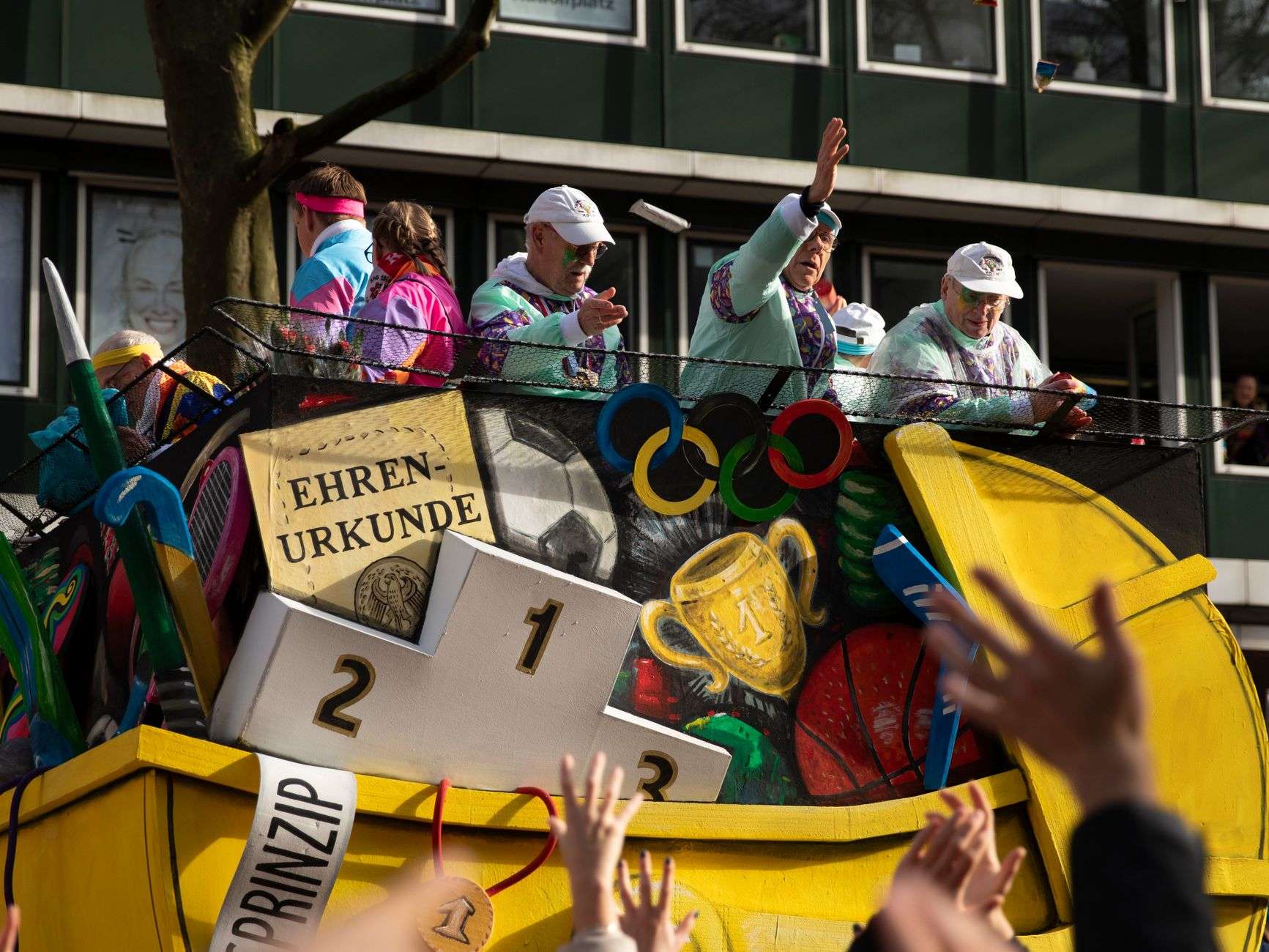
GULF SHORES, Ala. — A newly formed Mardi Gras krewe is proposing changes that could reshape how Gulf Shores celebrates Fat Tuesday, including moving the city’s annual parade off its traditional date and onto a Saturday evening. The proposal, set to go before the city council, would hand one of the beach city’s oldest traditions to a private krewe for the first time in years and shift it to a night better suited to crowds.
Gulf Shores has held a Mardi Gras parade for nearly 50 years, a tradition the city shares with its Gulf Coast neighbors, where Mardi Gras season stretches from early January through Fat Tuesday. Along the northern Gulf Coast, the celebration looks different from the famous New Orleans version: krewes in Mobile, Pensacola and the Baldwin County beach towns stage parades and balls across weeks of the winter calendar, drawing families to throws-laden floats long before the final day of the season.
For the past decade, the city itself has organized and run the event. That arrangement made Gulf Shores somewhat unusual among Gulf Coast communities, where parades are typically staged by private krewes that build floats, recruit members and fund the celebration themselves. City-run parades offer predictability and municipal control, but they also place the cost and labor of a major public event on the city’s own staff and budget.
City officials now say they are open to handing the parade back to a local krewe. Gulf Shores city spokesman Grant Brown said the city was approached by a group with deep community ties and experience organizing large events and Mardi Gras krewes. “We have been approached by a group that has good community ties, experience at putting on events, and being part of Mardi Gras krewes, and we think that it is a good option to return this to a local krewe,” Brown said.
A krewe built to take over
That group has organized as the Pleasure Island Revelers, a newly formed krewe led by president Blake Rowell. Rowell said the krewe stepped forward after hearing repeated complaints that the city’s parade had grown smaller in recent years. “We approached the city because we saw a need for a better parade, a longer parade,” Rowell said. “We had a lot of feedback from citizens that the parade was dwindling a little bit, and we wanted to jump in and help it.”
The krewe’s name nods to Pleasure Island, the longstanding nickname for the Pleasure Island area of the coast that includes Gulf Shores, and the group’s leadership says it wants to restore the scale the parade once had. Krewe-built parades tend to grow through member recruitment — each new float adds riders, throws and length to the procession — and the Revelers believe a dedicated organization can rebuild what a city-run event struggled to sustain.
The Saturday night pitch
Central to the krewe’s pitch is a scheduling change designed to draw more participants: moving the parade off Fat Tuesday itself and onto a Saturday evening, when more residents and visitors are free to attend and march. The parade route would remain along Highway 59, the coastal corridor that serves as Gulf Shores’ main thoroughfare and hosts many of the city’s biggest public events.
“We are getting really hung up on the tradition being the time and the date, not necessarily the parade itself,” Rowell said. “I think that can be moved and expanded on.” In his view, the tradition that matters is the parade — the floats, the families, the throws — rather than the particular weekday on which it rolls. A Saturday night slot also opens the event to school-age participants and out-of-town visitors who cannot attend on a Tuesday afternoon, and evening timing would let the city put its streetlights and parade lighting to full effect.
A tight timeline to Mardi Gras 2027
The timeline for a decision is tight. Fat Tuesday falls on Feb. 9, 2027, and if the city council signs off on the proposal, the Pleasure Island Revelers plan to roll their Mardi Gras parade on Saturday, Jan. 23, 2027, more than two weeks ahead of the traditional date. The early slot would place the parade near the front of the Gulf Coast’s parade calendar, when the season is just getting underway and travel to the beach towns is lighter than it becomes closer to the holiday.
“This is a way to serve our community and improve something that is really near and dear to a lot of us in this krewe,” Rowell said. For krewe members, the move is as much about ownership as scheduling — a chance for residents to take responsibility for a celebration that has long been organized from City Hall, and to grow it the way krewes across the Gulf Coast have grown theirs.
The schedule also carries practical implications for the city. A January Saturday would need coordination with public safety, public works and the businesses along Highway 59, but it would avoid conflicting with Fat Tuesday operations elsewhere on the coast, potentially letting the city’s parade serve as an early anchor for the season rather than competing with the larger celebrations in Mobile and New Orleans on the same day.
What happens at City Hall
The proposal is scheduled for discussion at Monday’s Gulf Shores City Council meeting. Before the regular meeting, the city will hold a community input session at 2:30 p.m. in the City Council Chambers, giving residents a chance to weigh in before council members take up the item. The format gives parade fans, krewe members and skeptics of the date change alike a public venue to make their case before any vote.
The date change is likely to be the most contested piece. Longtime attendees have built decades of family tradition around the Fat Tuesday parade, and any move away from the traditional date will draw comment from residents who see it as breaking with the city’s history. Supporters counter that a bigger, longer parade on a weekend evening serves more people — including the school groups, church organizations and visiting families who form the backbone of the crowd.
Handing the parade to a krewe would also fit a broader pattern in Gulf Shores’ event calendar, where the city has increasingly worked with outside organizers to stage festivals and races that bring visitors to the beach town in the off-season. A successful krewe partnership could let the city redirect the staff time and expense it currently spends producing the parade, while keeping the event on the calendar and, if the Revelers’ plans hold, growing it.
What to watch
Residents will be watching three things as the council takes up the proposal: whether the transfer of the parade is approved, whether the date moves to Saturday, Jan. 23, 2027, and what conditions the city attaches to the new arrangement. The community input session begins at 2:30 p.m. in the City Council Chambers, with the council discussion following in the regular meeting.
Whatever the council decides, the debate itself shows how much the parade means to the city — and how a fifty-year tradition adapts as the community around it grows. If the Pleasure Island Revelers get their chance, Gulf Shores’ Mardi Gras season in 2027 will begin earlier, run longer and roll at night, with the floats turning onto Highway 59 under the beach town’s lights rather than the midday sun of Fat Tuesday.
Mardi Gras on the Alabama coast
To understand the stakes of the Gulf Shores debate, it helps to remember how deep Mardi Gras roots run on the Alabama coast. Mobile claims the oldest carnival celebration in the United States, predating New Orleans by years, and its parade calendar now stretches from early January through Fat Tuesday with krewes rolling on nearly every night of the final weeks. Baldwin County communities carry their own versions — parades in Foley, Daphne, Fairhope and Orange Beach — and Pensacola adds its own season just across the state line.
Against that backdrop, Gulf Shores’ city-run parade has been the exception rather than the rule. Most coastal parades survive on the energy of krewes: social organizations whose members pay dues, build floats, buy throws and recruit new blood every season. That structure sustains the celebration from year to year because the krewe, not the government, carries the ambition to grow it. The Pleasure Island Revelers’ pitch is essentially an offer to bring Gulf Shores’ parade into that mainstream of Gulf Coast Mardi Gras tradition.
The krewe model also changes the economics of the event. Floats, throws and insurance that a city must budget for become, under a krewe, the shared cost of many member households. Riders on the floats purchase their own beads and stuffed animals to toss, and the krewe typically raises money for its operations through dues and sponsorships. For a city that has absorbed the full cost of its parade for a decade, the shift can mean a lighter public bill for a larger public show.
Why Saturday evenings draw bigger crowds
The proposed move to a Saturday evening follows a pattern visible across the Gulf Coast, where weekend parades consistently outdraw weekday ones. Families plan around them, visitors book lodging around them, and schools and civic groups can participate without pulling children out of class. Evening parades add a further draw: cooler winter temperatures, dramatic lighting on the floats and a festival atmosphere that lingers into the night along the route.
For Gulf Shores specifically, a Saturday in late January falls squarely in the coastal off-season, when hotels and restaurants welcome any event that fills rooms. A parade that draws thousands to Highway 59 on a winter weekend delivers spending to businesses that otherwise see little January traffic, which is part of why the date change has attracted attention beyond the krewe membership itself.
Still, the council will weigh those benefits against the pull of tradition. Fat Tuesday parades happen everywhere on the coast on the same day, and Gulf Shores has used that shared date for nearly fifty years. Moving to Jan. 23, 2027, would set the city’s celebration apart — an early, family-friendly kickoff to the season — but it would also mean the city no longer rolls when the rest of the coast does, a trade the council must ultimately judge on behalf of the residents who will line Highway 59 either way.