

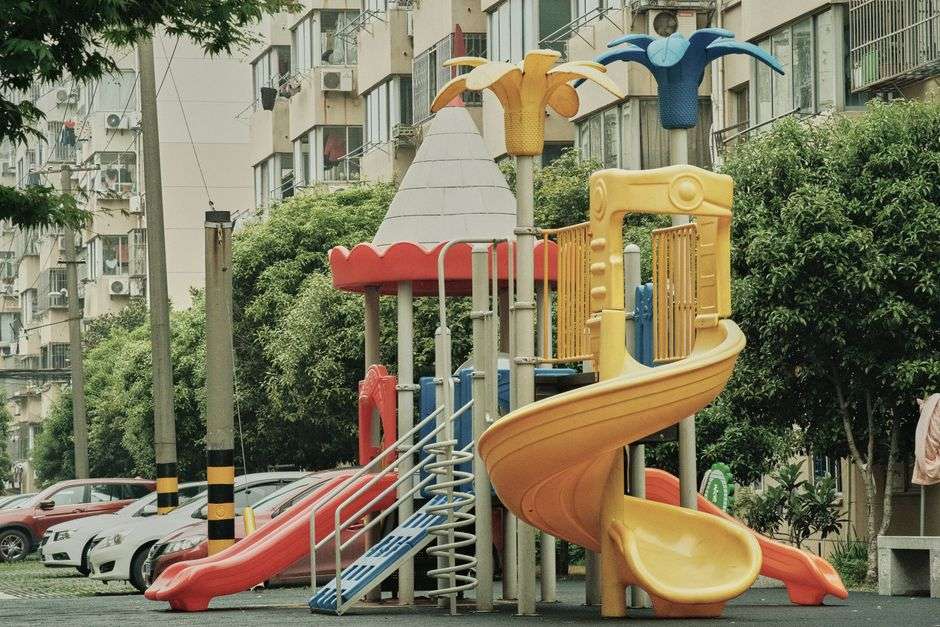
MOBILE, Ala. — City of Mobile officials have announced a $1.1 million overhaul of the playground at Lavretta Park, marking the first upgrade to the popular park since 2001.
The redesigned playground will include dedicated play areas for two age groups, 2-5 and 5-12, along with swings, a rock wall, a zip track, a mound-and-tunnel section, slides, shade canopies, benches and other amenities aimed at giving families more variety than the park’s current setup offers. Construction is set to begin after the new school year starts next month, according to the city’s announcement. Officials did not provide a specific completion date for the project.
Lavretta Park, located in Mobile’s Spring Hill area, is one of the city’s most heavily used neighborhood parks, drawing families from across west Mobile for its playground, green space and picnic facilities. The park’s playground equipment has served a generation of Mobile children since the 2001 installation, and the announcement of a full overhaul answers a question that parks advocates have raised for years about when the aging structures would be replaced.
What the redesign includes
The two-tier age separation at the heart of the redesign follows the modern standard for public playgrounds. Play structures for children ages 2-5 are scaled down in every dimension — lower platforms, shorter slides, guardrails sized for smaller bodies — while areas for ages 5-12 can offer greater height and challenge. Separating the two by location keeps toddlers out of the path of older children at full run, one of the most common sources of playground injuries.
The amenity list city officials outlined covers the range of play styles that contemporary playground design emphasizes. Swings remain the most-used equipment in most parks. The rock wall and zip track add challenge and motion for older children, while the mound-and-tunnel section gives younger children exploratory play that builds coordination. Slides, shade canopies and benches round out the plan, addressing the sun exposure and seating concerns that families consistently raise about Gulf Coast parks, where summer heat makes shade a practical necessity rather than a luxury.
Shade canopies in particular have become a signature feature of newer playground installations across South Alabama. Equipment surfaces in direct sun can become too hot to touch for much of the day from late spring through early fall, and parks departments in the region have increasingly treated shade structures as essential equipment rather than an upgrade. Benches positioned to sightline the play areas let parents and caregivers supervise comfortably while children play.
The investment and its context
A $1.1 million price tag places the Lavretta project among the more significant playground investments Mobile has made in a single park. Modern commercial playground equipment, engineered surfacing that meets current safety standards, site preparation and installation costs have risen sharply since the early 2000s, and a full overhaul of a heavily used park playground now routinely reaches seven figures once amenities like shade and site furnishings are included.
Mobile’s parks system comprises dozens of neighborhood parks, community centers and athletic facilities maintained by the city’s parks and recreation department. Funding for park improvements typically flows through the city’s capital improvement budget, supplemented over the years by bond issues and grant programs. The timing of the announcement, with construction to begin after the new school year starts, allows the bulk of the work to proceed during the fall, when playground use dips with the return to school and the weather begins to moderate.
City officials did not provide a specific completion date, which is common for projects of this type. Playground overhauls involve demolition of existing structures, site grading, installation of engineered surfacing, assembly of equipment and final inspections, a sequence that can stretch across weeks or months depending on weather and equipment delivery schedules. Families planning visits should expect construction fencing and closures of the playground area once work begins, while the rest of the park’s amenities remain available.
Lavretta Park’s place in the city
Lavretta Park occupies a central spot in the network of west Mobile parks, serving the Spring Hill area and surrounding neighborhoods. Its grounds include open green space used for casual recreation, picnic areas, and facilities that host everything from birthday gatherings to league practices. The park’s playground has long been its centerpiece for families, and its 2001 vintage made it one of the older major playgrounds still in daily use in the city system.
Twenty-plus years of Gulf Coast weather take a measurable toll on playground equipment. Humidity, intense sun, hurricanes and tropical systems, and sheer daily use degrade structures, fasteners and surfacing over time. Parks departments typically extend equipment life through maintenance and partial replacement, but at some point a full overhaul becomes the economical choice — which is the position Mobile officials reached with the Lavretta announcement.
The park’s users span a wide slice of the city. Spring Hill and the surrounding west Mobile neighborhoods include families with young children, grandparents caring for grandchildren, and school groups that use park facilities. The playground’s condition is a visible marker of the city’s investment in those neighborhoods, which is why individual park projects tend to draw attention well beyond the residents who live nearest.
Playground safety standards have changed
One reason the redesign matters is that playground safety standards have evolved substantially since Lavretta’s playground was built in 2001. The Consumer Product Safety Commission’s public playground guidelines and the ASTM industry standards that govern equipment design have been updated repeatedly in the intervening years, addressing fall heights, surfacing impact attenuation, entrapment hazards and equipment spacing.
Modern installations are engineered around fall protection: engineered wood fiber, rubber tiles or poured-in-place surfacing designed to cushion falls from the maximum equipment height, with use zones cleared around swings and slides. The dedicated age-group areas planned for Lavretta reflect those standards, since equipment appropriate for a 10-year-old presents hazards to a 3-year-old and vice versa. Accessibility has also moved to the center of playground design, with ground-level play components, ramps and accessible surfacing allowing children of all abilities to play alongside their peers.
Mobile’s new playground, specified with those standards in mind, will bring the park in line with installations built in the last decade rather than the last century. Parks departments across the country have found that modern equipment also weathers better and requires less maintenance than earlier generations, an operational benefit that compounds the safety improvements over the life of the installation.
What families can expect during construction
Once construction begins after the school year starts, the playground area at Lavretta Park will close while the old equipment comes out and the new installation goes in. Typical playground overhauls proceed through a sequence: demolition and haul-off of existing structures, grading and drainage work, installation of border and surfacing systems, assembly of the new equipment, and a final inspection before the area reopens to the public.
The city’s decision to start the work in the fall is deliberate. Playground attendance drops when school resumes, and the fall months in Mobile bring fewer of the afternoon thunderstorms that complicate outdoor construction in summer. Residents can expect the remainder of the park — the green space, picnic areas and other facilities — to stay in use during the project, with construction zones fenced off for safety.
No completion date was announced, and officials have not detailed the construction timeline beyond the start. Families following the project can watch the city’s announcements for updates as the installation reaches its final stages, since parks departments typically publicize a playground’s reopening given the interest it draws in the surrounding neighborhoods.
What the overhaul means for west Mobile
The Lavretta project fits into a broader pattern of reinvestment in Mobile’s public amenities. Cities across the Gulf Coast have poured resources into parks in recent years, recognizing that quality public spaces affect property values, family retention and public health. Mobile’s parks — from the large regional destinations to neighborhood sites like Lavretta — compete for families’ leisure time against private attractions, and their condition shapes where families choose to spend their weekends.
For the Spring Hill area, the playground overhaul restores the park’s status as a go-to destination for young families. A playground built to modern standards with shade, seating and separated age zones serves a wider range of children and keeps caregivers comfortable longer, increasing the park’s practical value on hot South Alabama days when outdoor options are limited by heat.
The variety built into the design also extends the playground’s useful age range. Features like the rock wall and zip track hold the interest of older children who outgrow basic structures, while the mound-and-tunnel section and age 2-5 area serve toddlers who need developmentally appropriate play. Families with children in both groups — a large share of the park’s users — will be able to supervise both areas from nearby benches rather than shuttling across the park.
Looking ahead
City officials framed the $1.1 million overhaul as a response to the park’s popularity and the age of its playground, and the announcement ends a two-decade wait for families who have watched other amenities around the city receive upgrades while Lavretta’s equipment aged. The investment signals the city’s intent to keep neighborhood parks competitive with newer suburban recreational options across the region.
Residents will see the project take shape after the new school year begins, with the familiar 2001-era structures giving way to a modern installation designed around the way families actually use the park. When the fencing comes down and the playground reopens, Lavretta Park will regain its place as one of west Mobile’s premier destinations for young families — with equipment built for the next two decades rather than the last.
The city has not announced whether additional park projects will follow, but the scale of the Lavretta investment suggests a template for future playground overhauls elsewhere in the system: age-separated play areas, shade, seating and challenge features, built to current safety standards in a single comprehensive project.