

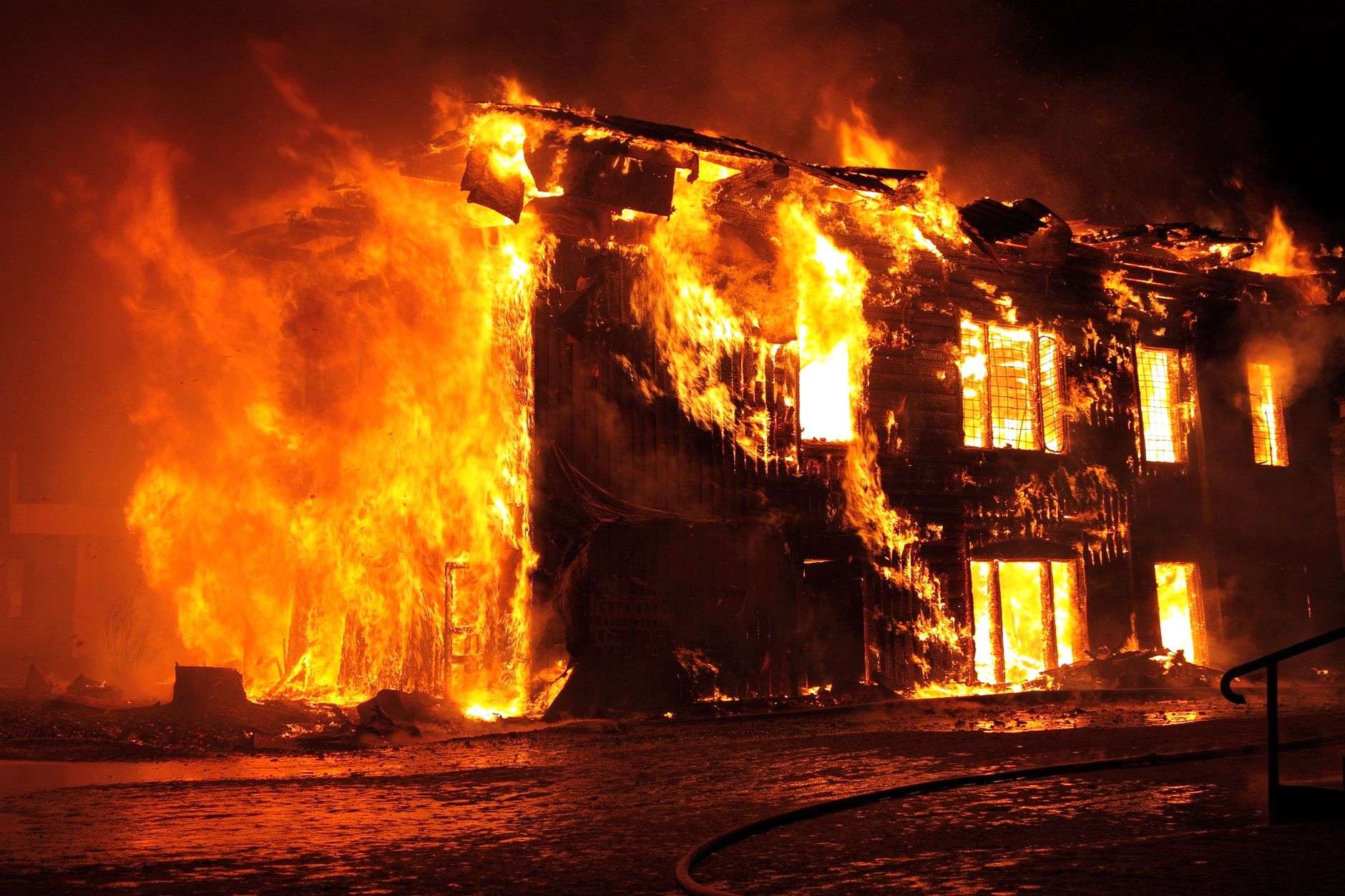
Mobile Fire-Rescue Department crews responded to the 100 block of Green Park Drive early Monday morning after a report of a residential fire. Firefighters arrived on scene at approximately 4:49 a.m. and found a residence with visible flames, according to MFRD. No injuries were reported in connection with the fire, and the cause of the blaze remains under investigation.
The pre-dawn dispatch brought engine and ladder companies to the Green Park Drive neighborhood in western Mobile, where crews encountered a working fire already showing flames from the structure. First-arriving units initiated an attack on the fire and worked to confirm that all occupants were out of the residence, standard procedure for any residential response before interior crews commit to the structure. The department did not report any injuries to residents or firefighters in the initial account of the incident.
The 4:49 a.m. arrival time placed the response squarely in the overnight hours, when residential fires are most dangerous for the people inside them. Fire crews and dispatchers across Mobile handle a steady volume of residential calls through the night hours, and the department’s station layout is designed to put the first engine on any city address within minutes, day or night.
A pre-dawn response on Green Park Drive
Green Park Drive sits in a residential section of Mobile where modest single-family homes line quiet streets, the kind of neighborhood where a 4:49 a.m. alarm is heard by every neighbor within earshot. Calls at that hour often begin with a resident awakened by a smoke alarm, a passerby noticing smoke or flame, or a neighbor reporting the glow of a fire from a window. By the time the first units roll, minutes have already passed since ignition, and every one of them matters.
When firefighters arrived and found visible flames, their first tasks followed a familiar sequence: establish command, position the first engine for an attack, confirm the water supply, and make a rapid determination about search priorities. Visible fire on arrival changes the calculus — crews know the structure has been burning for some time, and they work both to knock the fire down and to protect exposures, the neighboring homes and vehicles close enough to be threatened by radiant heat or spreading flame.
Search operations run in parallel with fire attack in occupied homes. Firefighters trained in search techniques move through the structure in low-visibility conditions, checking bedrooms and living spaces for anyone who may be trapped or incapacitated. In this incident, no injuries were reported, indicating that the occupants either escaped before crews arrived or were not home when the fire broke out.
The hours that follow a working fire
Once the main body of fire is knocked down, the work shifts to overhaul — opening walls and ceilings to find hidden fire, checking for extension into the attic, and ensuring that hot spots cannot reignite the blaze after crews leave. Overhaul is slow, physical work, and it is where many fireground injuries occur, but it is also where a department prevents the frustration of a rekindled fire hours later.
Investigators typically begin their work at the scene as soon as conditions allow. Mobile Fire-Rescue maintains a fire investigation function that examines origin-and-cause questions on significant structure fires, documenting burn patterns, photographing the scene, and interviewing occupants and witnesses. A fire that shows flames on arrival in the pre-dawn hours draws particular attention to the point of origin, because the sequence of events in the hour before discovery is central to understanding what happened.
The department’s statement that the cause remains under investigation is standard language that carries real meaning: until investigators complete their examination, no determination has been made about whether the fire was accidental, natural, or deliberately set. That process can take days or longer, particularly when debris samples are collected for laboratory analysis or when the physical evidence requires careful reconstruction.
For the residents of the Green Park Drive home, a fire that shows visible flames on arrival almost always means a total or near-total loss of the structure’s interior. Clothing, furniture, documents, photographs, and keepsakes are damaged by flame, smoke, and the water used to extinguish the fire, and even rooms untouched by fire often carry smoke damage throughout. Families in that position typically stay with relatives or neighbors in the immediate aftermath while insurance claims and assistance applications move forward.
Neighbors in the block often form the first line of support. In Mobile’s established residential neighborhoods, it is common for nearby families to offer spare rooms, meals, and help with childcare in the days after a house fire, and school staff typically notice quickly when an affected student needs clothes or supplies. Churches and community organizations in the area have long histories of stepping in with material assistance when a family loses a home.
What the overnight statistics say
Fires between midnight and 5 a.m. account for a disproportionate share of the nation’s home fire deaths, according to longstanding national fire data. The reasons are structural: residents are asleep and slow to detect danger, smoke alarms may be missing or disabled, and reaction time is measured in minutes before an escaping fire becomes unsurvivable. Sleeping residents who are awakened by a working smoke alarm have, on average, dramatically better outcomes than those who sleep through the early stages of a fire.
That is why fire departments in Mobile and across the Gulf Coast put such emphasis on smoke alarm coverage — one alarm inside each sleeping room, one outside the sleeping areas, and one on every level of the home, all tested monthly. Battery replacement at least annually matters, and any alarm more than ten years old should be replaced regardless of whether it still sounds when tested. Fire safety officials note that the most common failure they encounter is not the absence of alarms but alarms with dead or missing batteries.
Overnight fires also test a family’s escape planning in ways daylight fires do not. Escape routes that seem simple in daylight become disorienting in smoke and darkness, which is why safety educators recommend practicing the plan at night at least once a year, with every member of the household, including children and older adults. Two ways out of every room, a meeting place outside, and a rule against re-entry are the pillars of that guidance.
Common overnight fire causes
The causes behind late-night residential fires follow familiar patterns. Heating equipment left running while a household sleeps, electrical faults that develop behind walls, batteries and chargers left on soft furnishings, and smoking materials discarded improperly all appear repeatedly in national fire statistics for the overnight hours. Cold-weather months see the heaviest concentration of heating-related fires, and south Alabama’s short but real winter still produces its share of space heater and chimney incidents each year.
Clothes dryers are another recurring culprit in residential fires, with lint accumulation in ducts and around the heating element blamed for thousands of fires nationally each year. Fire safety guidance is consistent: clean the lint filter before every load, have the vent duct cleaned periodically, and never run the dryer when no one is home or awake.
Fire investigators across the region also weigh the timing evidence in cases like this one. The gap between when a fire ignites and when the first caller reports it can often be estimated from the amount of fire showing on arrival, the burn depth in the room of origin, and the statements of neighbors about when they first noticed smoke or an alarm. In a 4:49 a.m. response, investigators will typically canvass the block for anyone who was awake, review security camera footage from nearby homes, and examine utility records as part of reconstructing the fire’s early stages.
When a residential fire is brought under control without injuries, the outcome reflects the entire response chain working as designed — the dispatcher who took the call and routed the right units, the first engine’s crew who sized up the scene in seconds, and the companies that followed with water, ladders, and tools. Fire departments train for exactly this kind of incident, and the disciplines involved — command structure, accountability, hose line placement — exist so that a difficult call ends with property loss rather than loss of life.
Neighbors reported the glow of the fire and the arrival of fire trucks in the dark, and by first light the scene had drawn the attention of the block. Mobile Fire-Rescue crews remained on scene into the morning hours completing overhaul and investigation work before clearing the address, and utility crews were called to secure service to the damaged structure as a precaution.
What comes next
Until Mobile Fire-Rescue investigators release a determination, the Green Park Drive case remains open, and the department has asked that anyone with information about the fire contact its investigators. South Alabama News will update this story as more information becomes available from Mobile Fire-Rescue.