

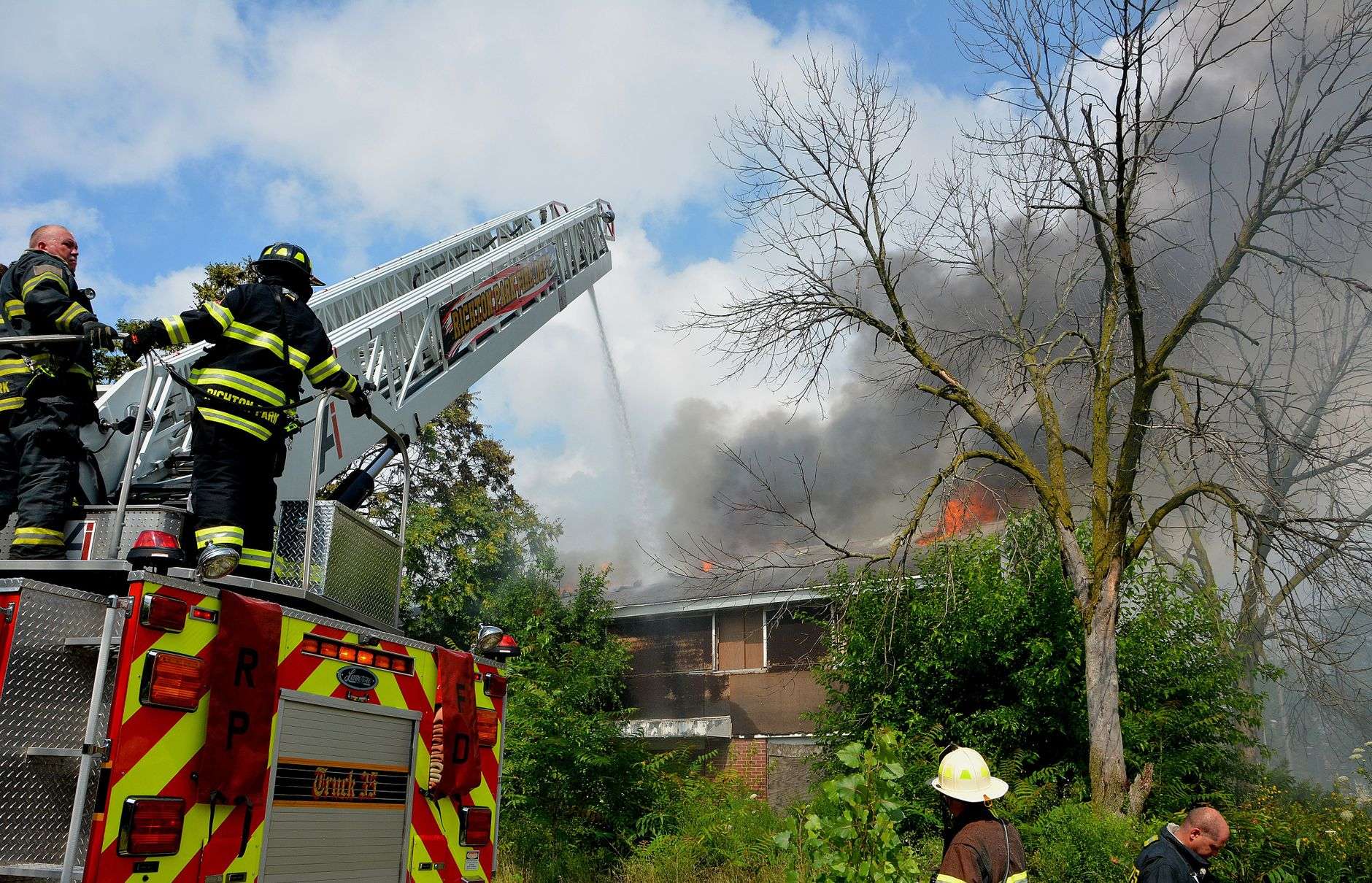
Mobile Fire-Rescue Department crews responded Friday morning to a house fire in the 900 block of Garrity Street, finding flames and heavy smoke pouring from a single-story home when they arrived on scene.
According to MFRD officials, the department received a report of a fire at the residence before 11:30 a.m. Engine companies and support units were dispatched to the address, a residential stretch of Garrity Street in Mobile, and firefighters worked to knock down the blaze after confirming visible flames and smoke coming from the structure.
What Happened
Mobile Fire-Rescue was alerted to the fire shortly before 11:30 a.m. Friday and crews arrived to find the single-story house already showing significant fire and smoke. Firefighters moved quickly to attack the flames and contain the fire to limit damage to the structure and prevent it from spreading to neighboring properties, a standard priority for crews responding to residential fires in tightly built neighborhoods.
As is typical with fast-moving fire calls, MFRD did not immediately release detailed information on what sparked the blaze, the extent of the damage to the home or whether anyone was inside at the time crews arrived. No additional details on injuries or a cause had been released by fire officials as of publication.
Garrity Street and the Surrounding Area
Garrity Street sits within one of Mobile’s established residential corridors, lined with single-family homes typical of the city’s older neighborhoods. House fires in these areas can pose particular challenges for firefighters because of the close proximity of homes to one another, which raises the risk of a fire spreading if it is not contained quickly.
Mobile Fire-Rescue Department is the primary fire and emergency response agency serving the city of Mobile, operating multiple stations and engine companies across the city to respond to fires, medical emergencies and other calls for service. Friday’s response on Garrity Street reflects the kind of routine but high-stakes work the department carries out on a near-daily basis in neighborhoods throughout the city.
Fire Safety Reminders for Residents
House fires remain one of the most common emergencies fire departments across Mobile County respond to, and officials routinely urge residents to take basic precautions to reduce the risk of a fire starting or spreading in their homes. Working smoke alarms on every level of a home, an established escape plan and prompt attention to electrical or heating issues are among the steps fire safety officials commonly recommend to homeowners.
Residents who notice smoke, an unusual burning smell or exposed wiring in their homes are encouraged to contact Mobile Fire-Rescue or their local fire department before the situation escalates into an emergency. Quick reporting of a fire, as occurred Friday on Garrity Street, gives crews the best chance of limiting damage once they arrive on scene.
This report reflects the information Mobile Fire-Rescue officials had released as of publication. South Alabama news outlets will continue to follow official channels for any further updates from the department regarding the Garrity Street fire.
The Garrity Street fire is a reminder of the routine but consequential work that Mobile Fire-Rescue Department does every day in the older residential neighborhoods of the city. Single-family homes packed close together along streets lined with mature trees, like the corridor where the fire occurred, are particularly vulnerable to the kind of fast-moving structure fires that can spread from one home to the next if the response is not quick. The fact that crews were able to limit the fire to the original structure is a credit to the dispatch and response system that the department has built.
Mobile Fire-Rescue is one of the larger career fire departments in the state, with fire stations distributed across the city to minimize response times in every neighborhood. The department is responsible for fire suppression, emergency medical response, hazardous materials response, technical rescue, and a wide range of community risk reduction activities, including fire prevention education, smoke alarm installation, and code enforcement. Its geographic coverage area includes both the dense, older neighborhoods in the central part of the city and the more recently developed areas to the west, each of which presents different fire safety challenges.
The fire protection challenge in older Mobile neighborhoods is in many ways different from the challenge in newer suburban developments. Older homes often have original wiring that has been modified and added to over many decades, sometimes by homeowners rather than by licensed electricians. They frequently have kitchens and heating systems that predate modern safety standards, and they often have limited separation between attached structures like carports, garages, and porches. Those features mean that a fire that starts in one part of an older home can spread more quickly, and that a fire in one home can pose a serious risk to its neighbors if the structures are close together.
Modern fire response in those settings depends on fast dispatch, quick arrival, and a well-practiced initial attack. The Mobile Fire-Rescue Department’s dispatch system routes the closest available companies to a reported structure fire, and the first-due engine company typically has the responsibility of confirming the location and extent of the fire, beginning an aggressive interior attack if conditions allow, and calling for additional resources as needed. The goal of the initial attack is always to prevent the fire from spreading beyond the structure of origin, which protects both the occupants of neighboring homes and the responding firefighters.
The cause of the July 31 fire on Garrity Street was not immediately released by the department, which is standard practice in the early hours of an investigation. Fire investigations in Alabama can take days or weeks to complete, particularly when the fire has caused significant damage to the structure. Investigators look at a range of potential causes, including electrical problems, heating equipment, cooking accidents, smoking materials, and any other ignition sources that may have been present in the home. Until the investigation is complete, the department typically declines to comment publicly on the most likely cause, both to protect the integrity of the investigation and to avoid prejudicing any future legal proceedings.
For residents of Mobile, the fire is also a useful prompt to review their own fire safety plans. The most important elements of a home fire safety plan are working smoke alarms, a clear evacuation plan, and a meeting place outside the home where all family members know to gather. Smoke alarms should be installed on every level of the home, inside each sleeping area, and outside each separate sleeping area. They should be tested monthly and replaced every ten years. Batteries, in the alarms that use them, should be replaced at least once a year or whenever the alarm chirps to indicate a low battery.
The fire is also a reminder of the importance of quick reporting. Mobile Fire-Rescue’s response on July 31 began with a 911 call, and the speed of that call is often the single biggest factor in how much damage a residential fire ends up causing. Many fires that are caught in their early stages can be contained with a single fire extinguisher, before the fire department arrives. Fires that are allowed to grow for several minutes before being reported are much more likely to cause significant damage, and they are much more dangerous for the firefighters who eventually have to fight them.
The broader fire safety landscape in Mobile also includes a robust network of community risk reduction programs. The Mobile Fire-Rescue Department’s community risk reduction division conducts free smoke alarm installation visits, particularly in older neighborhoods where the housing stock may be more vulnerable to fire. Those programs are part of a national movement in the fire service that recognizes the importance of preventing fires in the first place, rather than simply responding to them when they occur. For residents who are concerned about fire safety in their own homes, those programs offer a way to get a professional assessment and, where needed, free smoke alarms and other safety equipment.
For the neighborhood around Garrity Street, the immediate aftermath of a structure fire is often a time when residents come together to support the affected family, share information about the response, and offer practical help. Local churches, neighborhood associations, and community organizations in Mobile have a long tradition of stepping in quickly when a neighbor is displaced by a fire, and the support those organizations provide is often what makes the difference in the days and weeks after the initial response is over.
Mobile’s residential fire risk profile is influenced by a number of factors that are common to many older Southern cities. A significant share of the housing stock in the central part of the city was built before modern electrical codes were adopted, and many of those homes have been remodeled, added to, and rewired over the decades in ways that can create fire hazards if the work was not done to current standards. Heater and fireplace use during the cooler months adds seasonal risk, and cooking fires remain the single most common cause of residential structure fires nationwide, including in Mobile.
The fire service’s response model has continued to evolve to address these risks. In addition to suppression, modern fire departments place significant emphasis on prevention, community risk reduction, and data-driven deployment. Mobile Fire-Rescue uses a combination of historical incident data, geographic information, and community risk profiles to position its resources and to target its prevention efforts. That approach has helped reduce the rate of structure fires per capita in many cities over the past several decades, even as populations have grown and the housing stock has aged.
For residents who want to be better prepared, the basic steps remain the same: working smoke alarms on every level of the home, a clear evacuation plan that every member of the household has practiced, and a basic understanding of how to safely use a fire extinguisher if a small fire breaks out. The Mobile Fire-Rescue Department’s community risk reduction programs can help with each of those steps, and they are a resource that any Mobile resident can use to reduce the risk that a fire in their own home will end up as the kind of news story that brings the rest of the neighborhood out to the curb.