

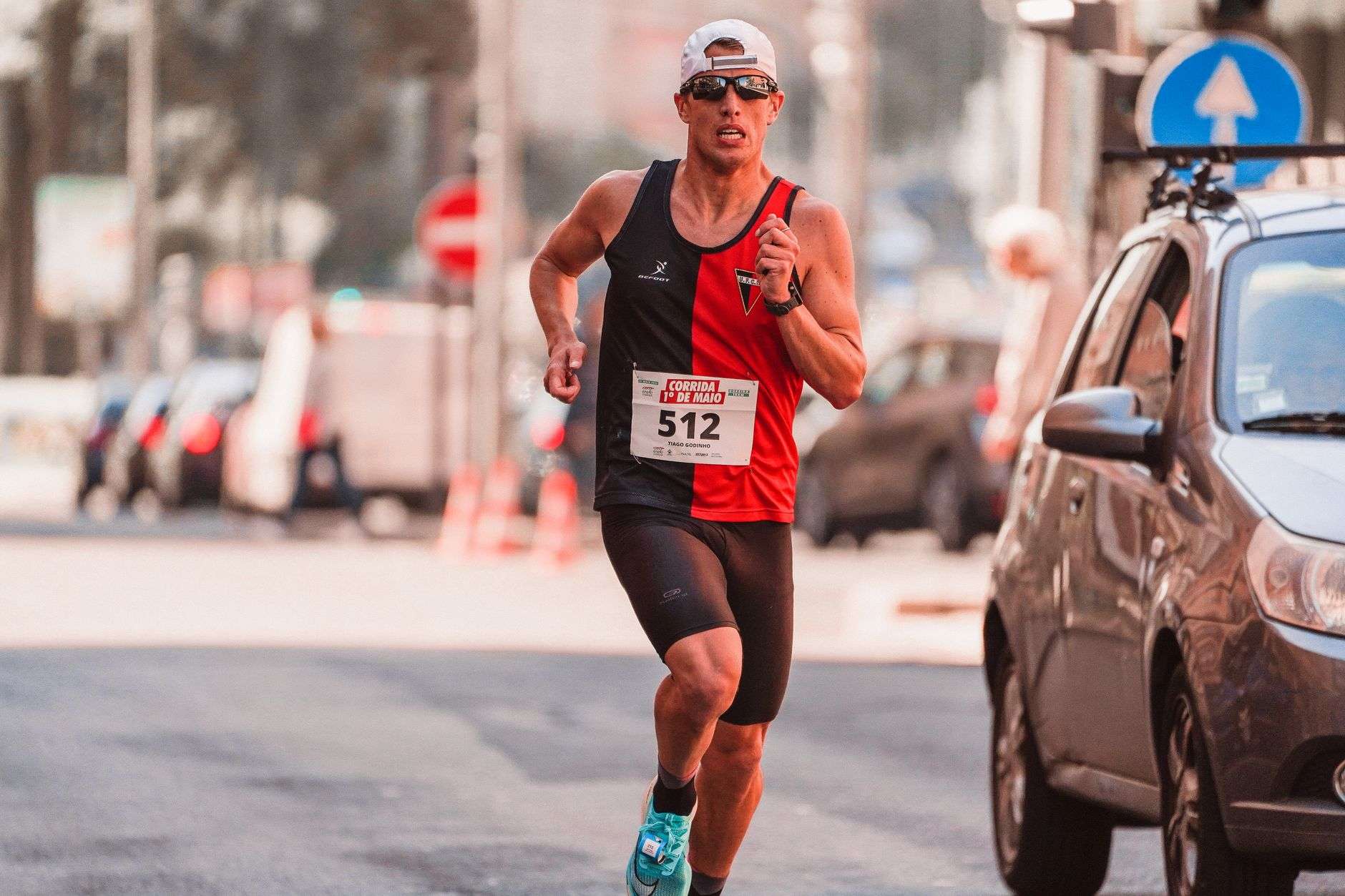
DAPHNE, Ala. — Runners and walkers filled Daphne’s Main Street for the third annual Miles for Heroes Run, an event built around a serious goal: preventing suicide among veterans and first responders, and making sure police officers are prepared when they answer calls from people in crisis.
The event, which offered a 5K and a fun run, is hosted by IGY6 Gulf Coast, a group based on the Eastern Shore of Baldwin County. The chairman said organizers expected to raise $20,000 from this year’s run.
What ‘IGY6’ means
The name IGY6 stands for “I’ve got your six.” The phrase comes from military slang, where “six” refers to the six o’clock position, directly behind a person. Saying “I’ve got your six” means “I’ve got your back,” a promise to watch out for someone in the places they cannot see for themselves.
IGY6 Gulf Coast was founded by veterans and first responders with a mission to prevent suicide and promote early intervention. That mission is rooted in the understanding that people who serve in the military, in law enforcement, in fire service and in emergency medical services often carry the weight of what they have seen long after the call or deployment has ended.
Where the money is going this year
This year, the money raised through Miles for Heroes will be distributed to three Eastern Shore police departments: Daphne, Spanish Fort and Fairhope. The funding is intended to help train officers to handle calls in which a person says they are in danger of taking their own life.
Those calls are among the most delicate situations a police officer can face. An officer arriving at the scene may be the first person able to intervene, and how that officer responds, the words used, the tone, the patience and the approach, can make an enormous difference.
IGY6 Chairman Ross Sykes said training is what allows officers to respond well in those moments.
“And it comes down to mental health when they are in a situation or scenario where they need to rely on that training,” Sykes said. “When you’re in a stressful situation, if you’re trained, the first thing you do is allow that training to make sure they know how to help the individuals whenever they come across that situation.”
His point reflects a principle familiar to anyone who has worked in emergency response: under stress, people fall back on their training. When officers have practiced how to handle a crisis call, they are better equipped to slow a situation down, listen and connect a person with help.
A start led by Ainsley’s Angels
This year’s run began with chariots from Ainsley’s Angels, an organization that promotes the inclusion of people with special needs. Ainsley’s Angels is known for pairing runners with athletes who have disabilities, with volunteers pushing specially designed racing chairs so that everyone can take part in races and share in the experience of crossing the finish line.
Having the chariots lead the field set an inclusive tone for a morning centered on looking out for one another.
A growing community event
Now in its third year, the Miles for Heroes Run has become part of the fall calendar on the Eastern Shore. The route along Daphne’s Main Street gives the event a small-town, community feel, with participants ranging from competitive runners chasing a 5K time to families enjoying the shorter fun run.
Events like this one serve more than one purpose. They raise money, of course, but they also bring people together around a difficult subject. Suicide can be hard to talk about, and a community run offers a hopeful, positive setting in which people can show support, learn about resources and remember those who have been lost.
Why training for crisis calls matters
Across the country, police departments receive a large number of calls involving people experiencing a mental health crisis. In many communities, officers are often the first responders on the scene. Specialized crisis intervention training is designed to help officers recognize the signs of a mental health emergency, use de-escalation techniques, and connect people with appropriate care.
For departments in growing communities such as Daphne, Spanish Fort and Fairhope, outside funding for training can help stretch local budgets and give more officers access to these skills. By directing this year’s proceeds to those three departments, IGY6 Gulf Coast is investing in the people who will answer the next call.
There is also a second benefit. Officers who learn about mental health and crisis response may be better able to recognize warning signs in themselves and their colleagues. That connects directly to IGY6’s founding purpose of supporting the veterans and first responders who so often carry heavy burdens quietly.
Recognizing the warning signs
Mental health professionals encourage everyone, not only police officers, to learn the warning signs that someone may be thinking about suicide. Some commonly cited signs include:
- Talking about wanting to die, feeling hopeless or being a burden to others
- Withdrawing from friends, family and activities
- Increased use of alcohol or drugs
- Dramatic mood changes, agitation or reckless behavior
- Giving away possessions or saying goodbye to people
- Searching for ways to end one’s life
If you notice these signs in someone, experts recommend asking directly and caringly how they are doing, listening without judgment, staying with them if they are in immediate danger, and helping them connect with professional support.
Where to find help
Anyone who is struggling or worried about someone else can call or text 988 to reach the 988 Suicide & Crisis Lifeline, which is available 24 hours a day, seven days a week. Veterans and service members, and those who care about them, can reach the Veterans Crisis Line by dialing 988 and then pressing 1. Help is also available by chat at 988lifeline.org. In an emergency, call 911.
For first responders and veterans, reaching out can be especially difficult because of the culture of toughness that often surrounds their work. Groups like IGY6 Gulf Coast exist in part to break down that barrier and to remind people that asking for help is a sign of strength.
Looking ahead
With a fundraising goal of $20,000 and three police departments set to benefit, this year’s Miles for Heroes Run is another step in IGY6 Gulf Coast’s effort to build a community where no veteran or first responder has to face a crisis alone, and where the officers who answer crisis calls have the preparation they need to help.
For the runners, walkers and volunteers who turned out on Main Street, the message of the day was the one captured in the group’s name: on the Eastern Shore, neighbors have each other’s six.