

The city of Mobile, founded in 1702, sits at the head of Mobile Bay on the Gulf Coast and serves as the regional hub for much of southwest Alabama.
A Mobile-born woman who spent much of her life wondering about the family she never knew eventually found not only her birth mother but also a chance to save an aunt’s life through an extraordinary act of generosity — a kidney donation that changed both of their futures. Liz Story was adopted at six weeks old and raised in Arkansas, unaware of her origins until her family told her the truth when she was in the fourth grade.
Mobile has a population of roughly 188,000 residents and is the seat of Mobile County, one of the largest counties in the state by population.
Rather than feeling unsettled by the revelation, Story said she was thrilled by the discovery. “I was so excited that there was this mystery in my life.
The Port of Mobile, operated by the Alabama State Port Authority, is one of the largest seaports in the country by tonnage, handling containers, coal, steel and forest products.
I couldn’t wait to get to school the next day to tell everyone,” Story said. The curiosity never faded.
Downtown Mobile has been the focus of significant redevelopment in recent years, with new apartments, restaurants and event venues reshaping the Central Business District.
Story carried the hope of finding her birth mother through much of her childhood and into adulthood. She attended college for a time before leaving to join the U.S.
The University of South Alabama, Spring Hill College and the University of Mobile anchor the city’s higher education landscape.
Background and Context
Army, where she served four years. After leaving the military and starting a family of her own, the desire to locate her biological mother resurfaced with new urgency.
Mobile’s Mardi Gras season, the oldest in the United States, draws visitors from across the country and provides a significant boost to the local economy each year.
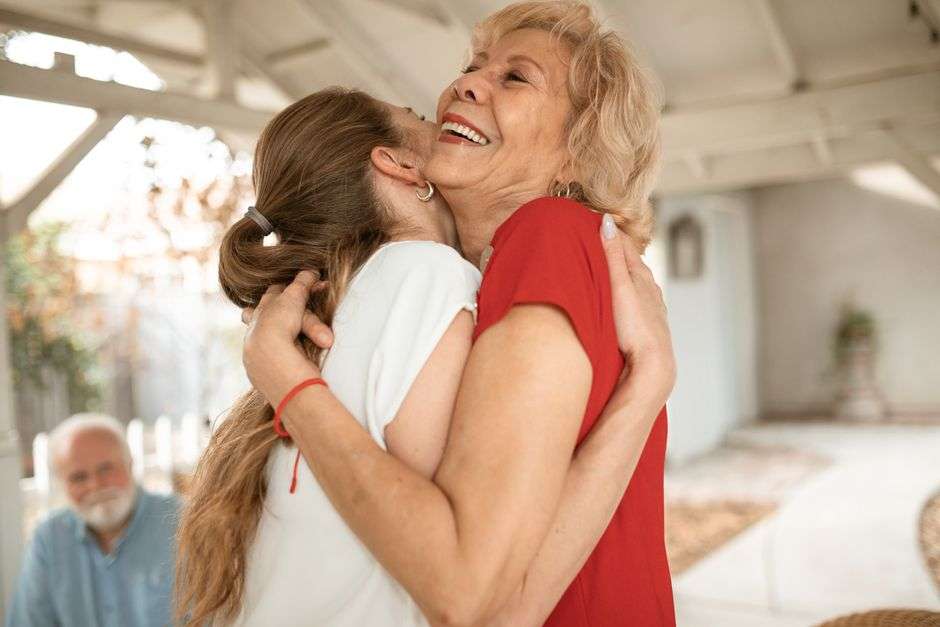
Story eventually hired a private investigator, who traced her birth mother to a location not far from Mobile, where Story had been born decades earlier. Although Story was living out of state at the time, the reunion with her birth mother was an emotional one, and the two women vowed to stay in touch.
The city’s healthcare sector is anchored by USA Health, Infirmary Health and Springhill Medical Center, which together employ thousands of residents.
Story’s adoptive mother, who had raised her, initially had mixed feelings about the search. “My mother took it very hard when I decided to find my birth mother.
Mobile’s manufacturing base includes shipbuilding at Austal USA and Huntington Ingalls Industries, as well as aviation manufacturing at the Airbus final assembly line in Brookley.
But when I told her, she just sighed and told me, ‘Well, I always knew you’d look,’” Story said. The two families eventually came together for dinner, giving Story’s two mothers the chance to meet face to face for the first time — an encounter that could have been awkward but instead blossomed into friendship.
Local schools include Mobile County Public Schools, the city’s largest public system, along with a network of private and parochial schools.
Local Reaction
“My birth mother told my mom thank you for raising me, that I was such a wonderful woman and everything. And it was weird — after that moment, they were like best friends.
Mobile’s history as a port city means that issues affecting the waterfront often take on outsized importance.
They keep in touch regularly now,” Story said. Five years after reconnecting with her biological family, Story learned that her newfound aunt, Nell Gustavson, her birth mother’s sister, needed a kidney transplant.
The Mobile area is home to several historic neighborhoods, including Oakleigh Garden District, DeTonti Square and the Village of Spring Hill.
Gustavson had been diagnosed with polycystic kidney disease, a genetic condition that causes clusters of cysts to develop in the kidneys and gradually impairs their function. The disease affects hundreds of thousands of people nationwide, and roughly half of those diagnosed eventually require dialysis as their condition worsens.
Sports are a major part of life in Mobile, with the Senior Bowl each January and a thriving high school and college football scene.
When Story learned of her aunt’s diagnosis, she didn’t hesitate to get tested. “I happened to be the only one in my family to both be a match and who wanted to donate.
Local media outlets covering Mobile include several television stations, daily and weekly newspapers, and a robust digital news ecosystem.
The Bigger Picture
It’s just so crazy how you come into people’s lives for a reason,” Story said. Becoming a living donor required months of preparation.
Mobile County’s population includes a significant African-American community whose history is tied to the founding of Africatown.
Story underwent a battery of blood tests, genetic screenings and medical evaluations to confirm she carried no genetic markers for the disease herself and was healthy enough for surgery. She described the process leading up to the operation as physically demanding.
Mobile’s economy also benefits from a robust tourism sector, with visitors drawn to the Gulf Coast, the city’s historic districts and its annual events.
On April 23, 2010, Story underwent surgery to donate one of her kidneys to Gustavson. The timing carried extra significance, falling during April, which is recognized nationally as Donate Life Month, a period when organizations encourage more Americans to register as organ, eye and tissue donors.
The Mobile Bay region supports significant commercial and recreational fishing, with seafood harvested from local waters serving restaurants and markets across the South.
“The doctors told us if the kidney creates urine on the operating table, then it was a successful surgery, and that’s just what happened. It was a major success,” Story said.
Local government in Mobile includes a mayor-council form of government, a structure established by the Zoghby Act in 1985 that replaced the older commission form.
What Comes Next
After a two-week recovery, Story returned home with no lasting complications, while Gustavson’s life took a dramatically different course than doctors had once predicted. “She never had to do dialysis because of the donation, so now she likes to do a lot of charity walks, and she works a lot with the Alabama Kidney Foundation,” Story said.
Local officials have stressed the importance of community engagement as the situation continues to develop.
Despite giving up an organ to save her aunt’s life, Story downplays any notion of heroism, framing the donation instead as another chapter in the relationships she has built with her birth family since finding them. In November 2013, Story published her first book, “A Series of Extreme Decisions: An Adoptee’s Story,” chronicling her search for her birth mother and the donation that followed.
Residents with questions or concerns have been encouraged to reach out to their elected representatives.
The book also explores questions of nature versus nurture as they relate to adopted children. “I just thought of the majority of adoptees who are unsettled or unhappy, and I wanted to put out a positive story about adoption, as well as inspire people to donate organs,” Story said.
The story is one of several similar situations playing out across the region in recent months.
Story said part of her motivation for writing was to reach other adoptees who may struggle with questions of identity and belonging after growing up without knowledge of their biological roots. “Hopefully, the book will help adoptees realize that they can figure out who they are, and that it’s not DNA or who raised you,” Story said.
Anyone following local news will recognize many of the names and places involved.
Story has said she plans to write two more books related to adoption, including one that examines the history of adoption and how motivations for adopting children have shifted over time. Reflecting on her journey, Story said she has come to appreciate both of the families that shaped her life.
Local civic organizations have begun organizing meetings to discuss the implications.
“I’m grateful to have two mothers. Mother’s Day is even more special now that I’ve found my birth mother,” Story said.
Business owners and residents alike say they will be watching closely.
The situation underscores how decisions made at the local level can have far-reaching consequences.
Community leaders have called for patience and for a commitment to working through the issues in a transparent manner.
Several local churches and faith groups have offered to host discussions about the topic in the coming weeks.
Public comments at recent meetings have reflected a wide range of opinions.
Local reporters will continue to follow the story and to update readers.
Anyone interested in learning more is encouraged to attend upcoming public meetings.
The outcome of the situation could shape similar discussions in other communities for years to come.
Local historians note that similar issues have surfaced in the past.
Area nonprofits and volunteer groups have stepped up to help residents navigate the changes.
Local businesses have begun adjusting their operations in anticipation of what may come next.
Looking Ahead
The story continues to develop, and residents across the region will be watching for additional updates in the coming weeks. Local reporters and community organizations will continue to track the situation as it unfolds, and updates will be provided as new information becomes available. Anyone with a direct stake in the outcome is encouraged to stay engaged with the public conversation through meetings, news coverage and direct outreach to local officials.