

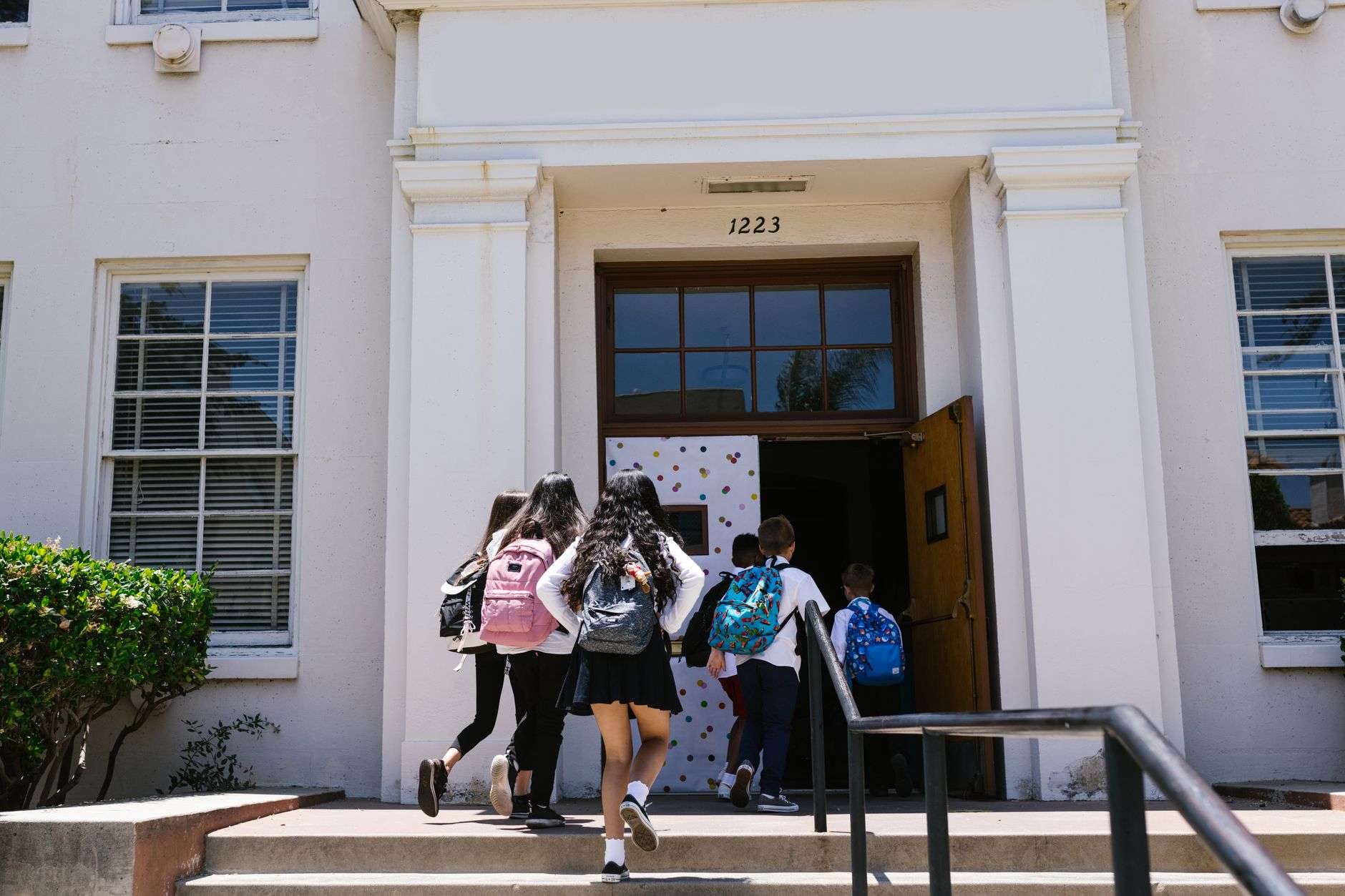
As August draws near, the return to classrooms is stirring up more than just school-supply shopping lists across Mobile County. For students, parents and educators alike, the back-to-school stretch brings a familiar mix of anticipation and anxiety, and the Mobile County Health Department is reminding families that those feelings are normal, and that help is available for anyone who needs it.
The transition hits different households in different ways. Young children starting school for the very first time may be nervous about separating from parents or navigating a new environment, while older students face the pressure of new teachers, new schedules and new social dynamics. Even recent graduates, who no longer have a first day of their own to dread, can feel an unexpected pang watching the countdown start again for siblings, friends or their own children.
Parents, meanwhile, are often resetting entire household routines around earlier wake-up times, after-school logistics and homework schedules. The shift from summer’s looser rhythm to the structure of the school year can strain even the most organized families, and health officials say it is worth acknowledging that adjustment openly rather than letting it build up.
“We all experience it in our own unique ways,” said Dr. Kevin Michaels, Mobile County Health Officer, of the seasonal shift. “Those feelings are normal, and they deserve attention and support.”
Recognizing the signs of back-to-school anxiety
Health officials say the key is not to dismiss the nerves that come with a new school year, but to name them and talk about them openly. Anxiety around returning to school can show up as trouble sleeping, irritability, stomachaches, or a reluctance to talk about the upcoming year, and mental health professionals generally recommend that families start those conversations early rather than waiting until the first day arrives.
Children often express worry in ways that do not sound like worry at all. A child who becomes unusually clingy, complains of headaches or stomachaches on school mornings, or melts down over small frustrations may be signaling stress about the classroom ahead. Experts encourage parents to treat those signals with patience, keeping routines steady, visiting schools before the first day when possible, and reassuring children that their feelings are common.
Teenagers present their own version of the challenge. Older students may face academic pressure, social media comparisons, and the weight of decisions about college and careers layered on top of ordinary first-day jitters. Health officials suggest that parents of adolescents keep the lines of communication open without forcing them, looking for natural moments — in the car, at dinner, on a walk — to ask how the year is shaping up.
Teachers and school staff feel the seasonal shift as well. Preparing classrooms, learning new policies, and absorbing the emotional needs of dozens of students is demanding work, and educators are often among those who most need the reminder that support is available. Schools across Mobile County typically spend the first weeks of the year building relationships and routines precisely because educators know that emotional readiness underwrites academic success.
Where Mobile County families can find help
Mobile County families who want extra support don’t have to look far. The Mobile County Health Department helps residents connect with behavioral health providers, school-based support services and crisis resources for those who need more immediate help. Local schools, faith-based organizations and community support groups also offer avenues for families navigating the seasonal transition.
The health department, one of the oldest such agencies in the state, serves Alabama’s largest county by population through a network of clinics and outreach programs. Its family-focused services extend beyond physical health into the behavioral and emotional well-being of children and parents, and staff routinely work with schools and community partners to make sure families know where to turn. Residents can reach out to the department directly for guidance on available resources, and in situations that feel urgent, crisis lines operate around the clock.
The Mobile County Public School System, the largest school district in Alabama, enrolls tens of thousands of students across the county, from downtown Mobile to the communities of Prichard, Saraland, Tillman’s Corner, and out toward the western shore of Mobile Bay. With a system that large, the first weeks of school represent an enormous logistical and emotional undertaking, and counselors, nurses, and social workers play a central role in helping students settle in.
Health officials emphasize a handful of practical steps that make the transition easier for nearly every family. Re-establishing bedtimes and morning routines several days before school starts helps children arrive rested. Talking through the schedule — where to meet the bus, what lunch will look like, when parents will be home — reduces uncertainty for younger children. And keeping the first weeks lightly scheduled gives everyone room to adjust before extracurricular commitments pile on.
A community-wide effort
The back-to-school season in Mobile County is a community undertaking that extends well beyond the classroom. Pediatricians see an annual surge of well-child visits, physicals, and immunization appointments in the weeks before the first bell. Churches and neighborhood organizations run supply drives that put backpacks and notebooks into the hands of students who need them. Employers often work with parents adjusting to school-year schedules, and extended family members frequently step in to help with pickup and childcare.
All of that support matters, health officials say, because children do better when the adults around them are steady. A parent who is anxious about the school year can pass that anxiety along without meaning to, just as a calm, confident household can ease a child’s worries before they take root. The department’s message is aimed at everyone in that circle — parents, grandparents, teachers, coaches, and neighbors — not just at students themselves.
Mobile’s history gives the community a deep bench of institutions focused on family well-being. The health department traces its roots to the nineteenth century, when yellow fever epidemics forced the city to organize public health responses, and the agency has grown over generations into a comprehensive operation with clinics across the county. That long institutional memory matters during moments like the start of a school year, when a simple question from a worried parent can be routed to staff who have heard it — and answered it — many times before.
Officials also point to the role of routine healthcare in a smooth start. Children who begin the year with an up-to-date physical, current immunizations, and any needed vision or dental work are better positioned to focus in the classroom, and the department’s clinics stand ready to help families who need those services before the first bell rings.
When to seek more help
For most children, the nerves of August fade within a few weeks as routines take hold and classrooms become familiar. But health officials caution that some signs warrant closer attention: a child who remains withdrawn well into the school year, refuses to attend school, shows persistent changes in sleep or appetite, or talks about hopelessness should be evaluated by a professional. Pediatricians are a natural first call, and school counselors can help families identify next steps without stigma or delay.
Behavioral health providers across Mobile County offer services on a sliding scale, and school-based programs bring counseling directly to students in many campuses, removing transportation and cost barriers that might otherwise keep families from seeking help. The earlier a concern is addressed, officials stress, the easier it is to resolve — a principle that applies to emotional health just as it does to physical health.
Dr. Michaels’ message to the county is ultimately a reassuring one. The flutter of anticipation that comes with a new school year is a shared experience, stretching from the kindergartner clutching a new backpack to the veteran teacher arranging desks one more time. Those feelings, the health department says, are not a problem to be fixed but a normal part of a season every family knows — and with open conversation, steady routines, and a community that stands ready to help, the first day of school can be something to look forward to rather than something to dread.
Families with questions about behavioral health resources, school-based services, or crisis support can contact the Mobile County Health Department for guidance on the options available close to home. As the countdown to the first bell continues across the county, officials want every household to know the same thing: the feelings are normal, and no family has to navigate them alone.
The first day of school will arrive, as it always does, with its mix of tears at the kindergarten door and honking horns in the drop-off line. The health department’s hope is that behind every one of those moments stands a family that talked about the transition, a school that welcomed its students, and a community that treated the season’s jitters as what they are — a normal, human part of growing up in Mobile County.