

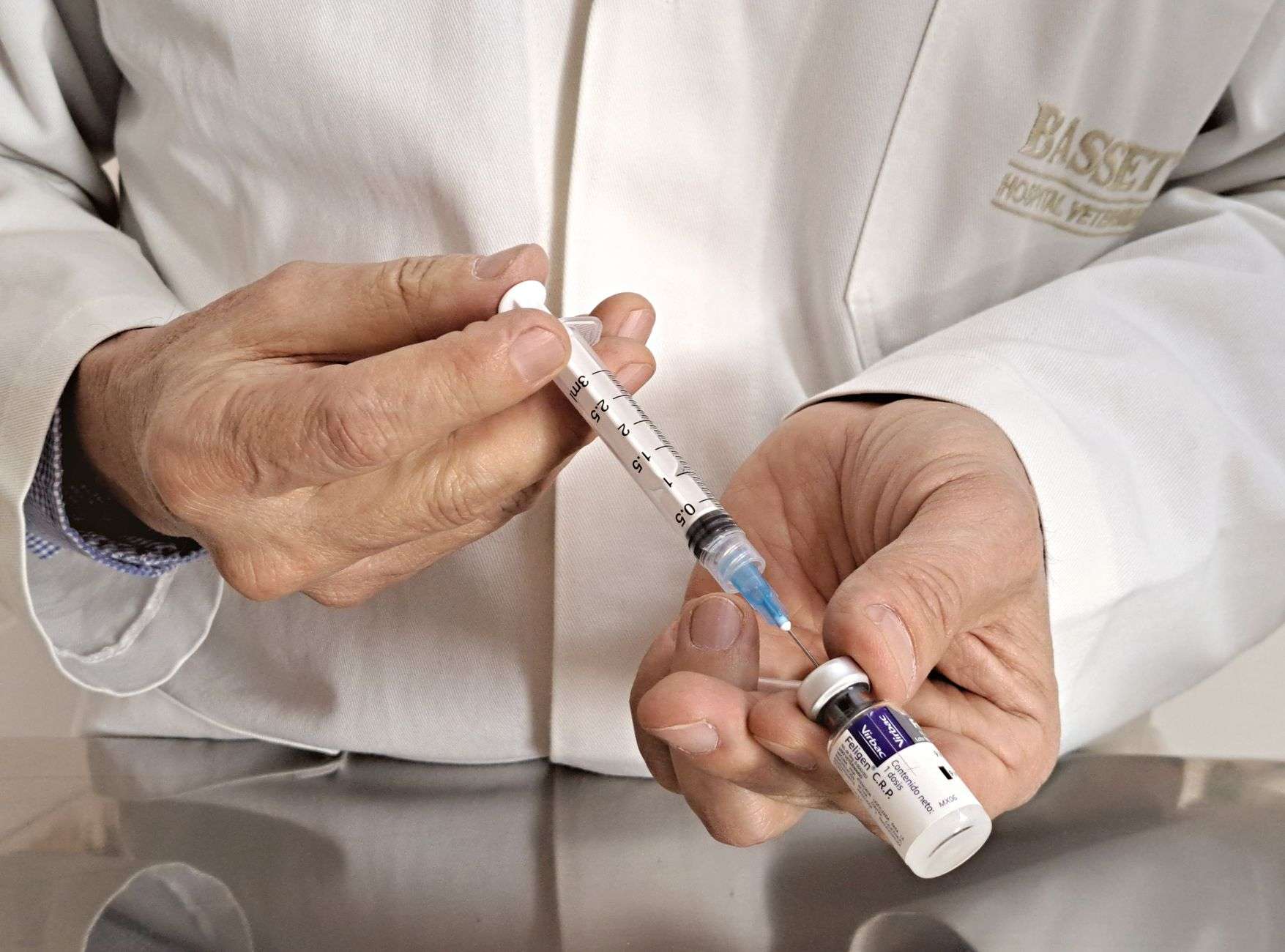
MOBILE, Ala. — Pet owners across Mobile County will have six chances in October to get a dog, cat or ferret vaccinated against rabies for $15. The Mobile County Health Department has released its October schedule of low-cost weekend rabies clinics, with stops in Mobile, St. Elmo, Prichard and Irvington.
The shots are good for one year and are payable in cash only.
October rabies clinic schedule
- Saturday, Oct. 3, 10 a.m. to noon — Little Flower Catholic School, 2103 Government St., Mobile.
- Saturday, Oct. 10, 10 a.m. to noon — Mobile County Animal Shelter, 7665 Howells Ferry Road, Mobile.
- Saturday, Oct. 10, 1 to 3 p.m. — Pet Supplies Plus, 803 Hillcrest Road, Mobile.
- Saturday, Oct. 17, 1 to 3 p.m. — Saint Elmo Feed & Seed Store, 9001 Highway 90 West.
- Saturday, Oct. 24, 9 a.m. to noon — Hosted by the Prichard Animal Shelter in the Prichard Municipal Stadium parking lot, 222 Coach Harold Clark Drive.
- Saturday, Oct. 31, 10 a.m. to noon — Bayou La Batre Community Center, 12745 Padgett Switch Road, Irvington.
The October clinics are drive-through events, so pets can stay in the vehicle until it is their turn. The department’s one walk-up style event — held “on the front porch” at B&B Pet Stop on Cottage Hill Road — is not on the October calendar.
What it costs and what to bring
The rabies vaccine costs $15 per pet, and all shots must be paid in cash. There is no card option, so owners should plan ahead before heading out.
A few practical tips for a smooth visit:
- Bring exact cash if possible — $15 for each animal.
- Keep dogs on a leash and cats and ferrets in secure carriers, even inside the car.
- Bring any previous vaccination records so the new certificate reflects an accurate history.
- Arrive within the posted hours; clinics run for two to three hours.
A new mix of locations
The health department rotates its clinics around the county each month so that residents in different areas have a site within reasonable reach. October’s list adds several stops that were not part of September’s schedule, including Little Flower Catholic School on Government Street in midtown Mobile, the feed store in St. Elmo along U.S. Highway 90 in southwest Mobile County, and the Bayou La Batre Community Center in Irvington.
The Prichard clinic is also moving. In September, the Prichard Animal Shelter hosted a clinic at its North Rebel Road location; in October, the shelter will host the event in the parking lot at Prichard Municipal Stadium.
Two stops carry over from last month: the Mobile County Animal Shelter on Howells Ferry Road and Pet Supplies Plus on Hillcrest Road, both on the second Saturday of the month.
The Oct. 31 clinic in Irvington falls on Halloween, so families planning an afternoon of trick-or-treating can take care of vaccinations in the morning.
Why the county holds these clinics
The state of Alabama tasks local health departments with making rabies vaccinations affordable for pet owners. In Mobile County, the health department’s Rabies Officer holds clinics every month at a variety of locations to offer low-cost shots for dogs, cats and ferrets.
The demand is steady. The Rabies Officer gave 334 vaccinations in September — 274 to dogs and 60 to cats — up from 264 in August. In 2025, the officer vaccinated 3,261 household pets: 2,585 dogs, 675 cats and one ferret.
Rabies vaccination is required for dogs, cats and ferrets in Mobile County under local ordinance, and state law also requires it across Alabama. Keeping a pet’s shots current also matters after a bite: a vaccinated pet that bites someone, or is bitten by a wild animal, faces far less restrictive quarantine requirements than an unvaccinated one.
What rabies is
Rabies is a virus that attacks the central nervous system. It spreads from infected mammals to people, and all warm-blooded mammals, including humans, can be infected. Once symptoms appear, the disease is fatal.
Symptoms of rabies include:
- Unusual behavior and irritability
- Headache and fever
- Inability to eat or drink
- Balance problems and circling
- Seizures
- Coma and, finally, death
Because there is no effective treatment once symptoms begin, prevention is the heart of the public health strategy: vaccinating pets so they cannot carry the virus into the home, and getting prompt medical care after any possible exposure. In Alabama, raccoons account for most rabies cases each year, and bats also carry the virus. Anyone bitten or scratched by an animal should wash the wound thoroughly and contact a health care provider or the health department right away.
The Mobile County Health Department marked World Rabies Day on Sept. 28 with a reminder that the disease is almost entirely preventable through pet vaccination and quick action after bites. The October clinics are the next opportunity for residents to put that advice into practice.