

A Mobile family is marking a hard-won milestone after a 6-year-old girl received a bone marrow transplant this month at Children’s of Alabama Hospital in Birmingham, with her own mother stepping in as the donor. Tamiere Marks said her daughter, Kash, has lived with sickle cell anemia since birth and began facing serious complications by the time she was just four months old. In the years since, the family has cycled through countless hospital stays as they worked to keep the disease under control.
For families facing the disease, the transplant decision rarely arrives unannounced. Doctors track complications over years, weigh the risks of the procedure against the trajectory of the illness, and wait for a donor match strong enough to offer a real chance at a cure. That Kash’s match was her own mother gave the family both a medical path forward and a story of a parent giving, in the most literal sense, a part of herself to her child.
“She’s had acute chest syndrome, she’s had pneumonia, liver enlargement, different things of that nature, fever after fever — but guess what, she’s still going to get up and get her Play-Doh, she’s still going to get her Barbie doll, she’s still going to play with her mermaid,” Marks said. The list she recites is, to families of sickle cell patients, a grimly familiar catalog of the disease’s complications; the second half of the sentence is a portrait of a child who refused to let them define her.
What is sickle cell anemia?
Sickle cell anemia is an inherited blood disorder that changes the shape of red blood cells from smooth, round discs into a rigid, curved “sickle” shape. Those misshapen cells can block blood flow and oxygen delivery throughout the body, leading to painful episodes, infections, organ strain and other complications. It disproportionately affects Black families and, in more severe cases, can mean years of emergency room visits and hospitalizations, much like what Kash and her family have experienced.
The biology explains the suffering. Healthy red blood cells are flexible enough to squeeze through the smallest vessels and last months in circulation; sickled cells are stiff, fragile and prone to clumping, blocking the narrow capillaries that feed organs and tissue. The result is the disease’s signature pain crisis — episodes that can hospitalize a child for days — along with damage that accumulates in the lungs, spleen, liver, kidneys and brain over a lifetime. Acute chest syndrome, which Marks listed first among Kash’s complications, is among the most dangerous of those events, a lung crisis that can become life-threatening and is a leading cause of hospitalization in sickle cell patients.
Because the disorder is inherited, children are born with it, and screening at birth — now standard practice in Alabama and across the country — catches it in the first days of life. That early diagnosis is what allowed Kash’s family and doctors to know what they were facing before her first birthday, and to plan years of monitoring, preventive care and, eventually, the possibility of transplant.
A costly, years-long fight
Marks said the toll of repeated hospitalizations went beyond the physical challenges facing Kash — it also cost Marks her job after she gave birth to her youngest daughter, Riley. “My job basically told me I had to choose between them and this process — of course I chose this process,” Marks said. “They said because I went on maternity leave back in October it took away from my FMLA.”
Her experience is a familiar one for parents of children with chronic illness. The Family and Medical Leave Act guarantees eligible workers unpaid, job-protected leave for serious health conditions — their own or a family member’s — but it comes with eligibility thresholds tied to hours worked and leave already taken, and it protects a job, not a paycheck. A parent who exhausts leave in one hospital stay can find, as Marks did, that the next crisis arrives with no leave left to cover it.
The financial weight lands on top of the medical one. Repeated admissions mean travel to Birmingham, days away from work, insurance gaps and the ordinary bills of a household that still has to run. Families in Kash’s situation lean on relatives, community networks and hospital social workers to hold the ground under them, and the strain is one more reason a permanent treatment, when it becomes possible, means so much.
Finding a match, and a path forward
According to Marks, doctors had known for years that Kash would eventually need a bone marrow transplant. In a bone marrow transplant, healthy blood-forming cells from a donor are used to replace a patient’s diseased marrow — the factory inside the bones that produces blood cells. Once the new cells take hold, they produce red blood cells that do not sickle, which is why transplant remains the one treatment capable of curing the disease rather than managing it.
The search for a suitable donor is the hard part. The best matches come from donors whose tissue type closely matches the patient’s, and the odds run highest within a family: a sibling has the best chance, followed by parents and other relatives. Many sickle cell patients never find a well-matched donor at all and wait out the years on medications, transfusions and crisis management instead. When testing showed that Tamiere Marks was a match for her daughter, the family had the thing that most families in her position spend years hoping for — a donor, living under the same roof.
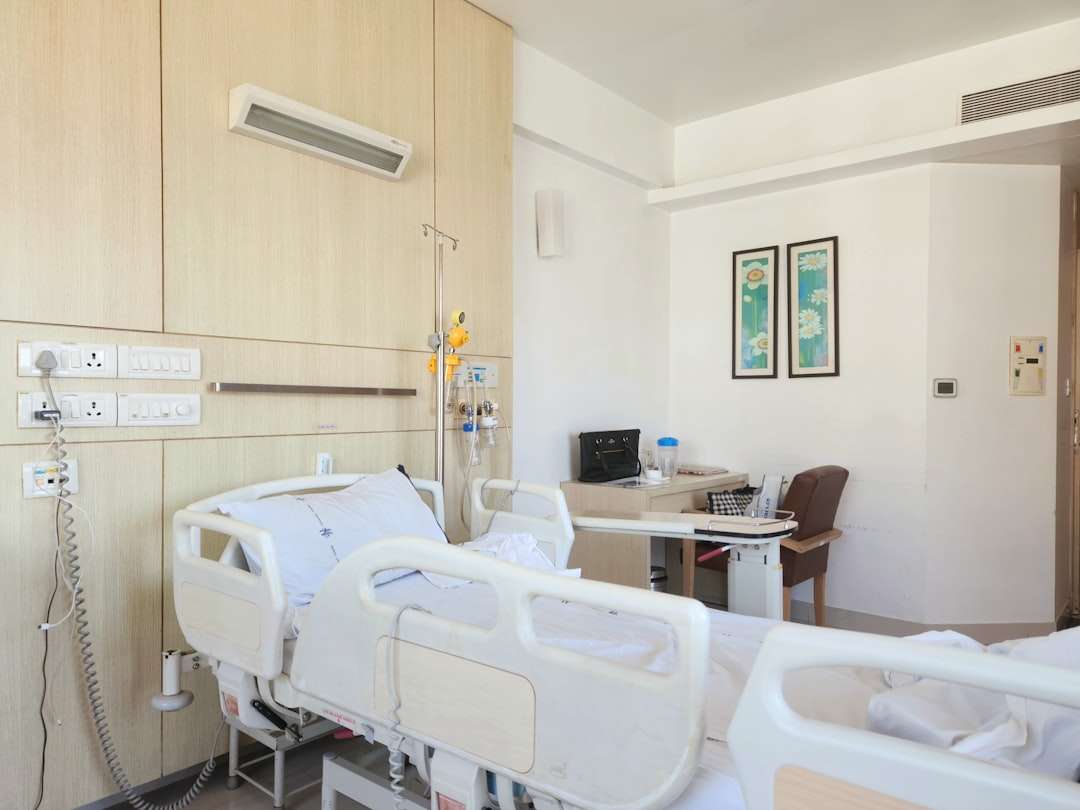
The procedure itself is demanding, especially for a young patient. Before the transplant, doctors use chemotherapy to clear out the patient’s own marrow and make room for the donor cells, a stage that brings the risk of infection and requires weeks in a controlled hospital environment while the immune system is essentially rebuilt. Children’s of Alabama in Birmingham, the state’s primary pediatric hospital and home to one of the Southeast’s major pediatric blood and marrow transplant programs, handles cases from across Alabama, including families from Mobile who face a roughly four-hour drive or an extended stay in Birmingham for the duration of treatment.
Recovery is measured in months, not weeks. Doctors watch for signs that the new marrow has engrafted — begun producing healthy blood — while guarding against infection and against graft-versus-host disease, in which donor cells attack the recipient’s tissue. Success means a child freed from the crisis cycle that shaped every year before it; that prospect is what carries families through the isolation and risk of the transplant ward.
What this means for the Marks family
For the Marks family, the transplant marks a turning point after six years organized around a single disease. A household that once structured its calendar around fevers, admissions and the drive to Birmingham now watches a recovery with a different kind of tension — the careful hope of families on the other side of a major procedure. Kash’s days, her mother suggests, will look the way they always have: Play-Doh, Barbie, mermaids, the ordinary business of being six years old, now with a future that no longer assumes the next hospital stay.
Her mother’s account of the journey — the job lost over maternity leave and FMLA, the fevers, the complications named one by one and shrugged off with a smile — has resonated with other parents navigating the same system. Chronic illness in a child tests families in ways that never appear on a medical chart, and the families who come through it tend to speak, as Marks does, about the child’s resilience before their own sacrifice.
Sickle cell disease in Alabama and the Gulf Coast
The disease that shaped Kash’s first six years is hardly rare in this part of the country. Sickle cell conditions occur among children born in every region of the United States, but they are concentrated in families with ancestry from regions where malaria was historically common — including West Africa, which is why the disease disproportionately affects Black communities in Alabama and across the Deep South. Newborn screening has made early diagnosis routine, and children like Kash are typically enrolled in comprehensive sickle cell care from infancy, with regular monitoring aimed at preventing the infections and crises that once defined the disease.
Management, though, is not cure. For decades the standard toolkit — pain management, transfusions, preventive antibiotics and vaccinations, medications that reduce the frequency of crises — has kept children alive and out of the hospital more often, while leaving the underlying disorder in place. A matched transplant changes that equation in a way daily management never can.
For now, the story that matters most is the one unfolding in a Birmingham hospital room: a six-year-old from Mobile whose mother donated the marrow her daughter’s body could not make, waiting out the weeks of recovery on the far side of a disease that has demanded something from the family every year of Kash’s life. The fevers came, the complications came, and the little girl got up anyway and reached for her toys.
A mother as donor
Parents who serve as matched donors for their children occupy an unusual position in transplant medicine: they undergo the donation procedure while their child is in treatment down the hall. Donor cells are typically collected through the bloodstream in a process that filters stem cells out of circulating blood over a series of days, or through a needle drawn directly from the hip bone under anesthesia. Neither is trivial for the donor, but both are far gentler than what the recipient endures — and for a mother who has already given years of hospital vigils to her daughter’s care, the physical demands of donation are a small addition to an old account.
Family matches also carry a practical weight beyond convenience. A parent donor can be tested and cleared quickly, scheduled without waiting on national registries, and available through every stage of the child’s recovery. For families in Mobile and across south Alabama who otherwise face long trips and long waiting lists, a match at home changes the entire calculus of when — and whether — a transplant can happen.
The road after transplant
The weeks ahead for Kash follow a pattern familiar to transplant families. She will remain under close observation while her counts recover, with regular clinic visits, blood work and protective medications as her immune system rebuilds. Birmingham stays or frequent trips are likely through the early months, and her care team will watch for the complications that define transplant recovery before clearing her for the fuller life of a first grader — school, playgrounds and the general business of being a child without a hospital on speed dial.
Her family’s account of the milestone is not a promise of cure; transplant outcomes depend on many factors and the medical team’s caution in the first year is part of the protocol. But it is the closest thing sickle cell medicine offers to an ending, and it came to this Mobile family through the ordinary extraordinary machinery of modern medicine and one mother’s willingness to sit in the donor chair for her daughter.
For the wider community of sickle cell families along the Gulf Coast, stories like Kash’s carry a practical message as well: donor registration matters, family testing matters, and the conversations that lead to a match often begin years before a transplant is scheduled. The Marks family’s milestone was built from all of it — the newborn diagnosis, the years of managed crises, the stubborn advocacy of a mother, and finally the matched cells that are now, one day at a time, becoming her daughter’s new blood.