

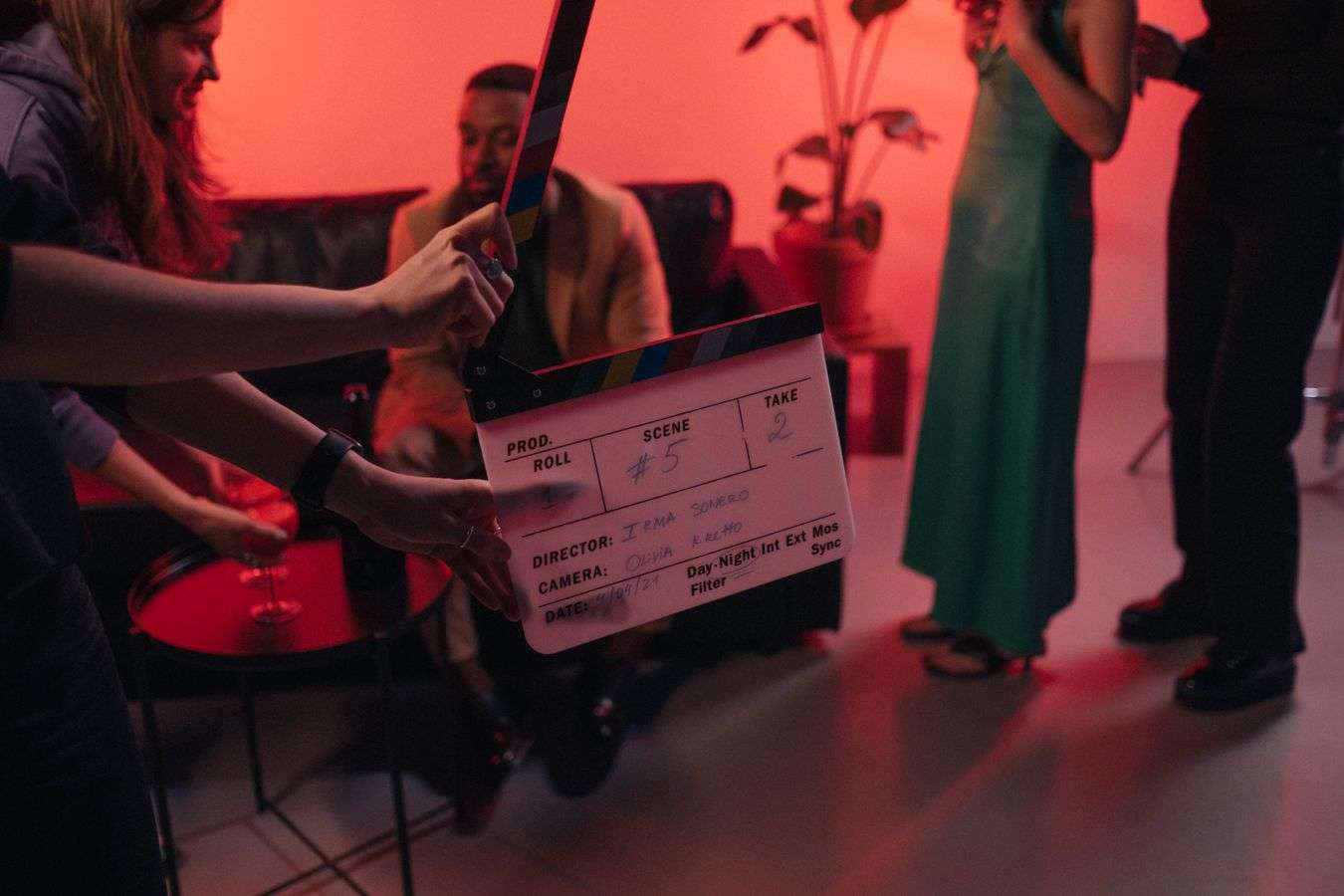
Fighting Owl Films, a Mobile-based production company, has moved into pre-production on its feature film “The Night Shift,” with costume fittings and a full cast script read-through now complete. “It’s going pretty good,” said director Thomas Smith, describing the early stages of preparing the project for principal photography. The milestones — wardrobes fitted, the cast assembled around a table to hear the script aloud for the first time — mark the transition from development to active preparation, the phase when a film stops being a stack of documents and starts becoming a production with a schedule, a budget and a team.
Pre-production is the least visible stage of filmmaking and, veteran producers say, the most important. It typically includes locking in casting, wardrobe, locations and a shooting schedule before cameras roll. Costume fittings establish how characters look and move; the read-through lets a director hear the script in the actors’ voices for the first time, exposing lines that land and ones that need work. Behind the scenes, the same weeks are filled with less glamorous work — securing permits, insurance and equipment, scouting and reserving locations, building the crew roster and drafting the day-by-day shooting schedule that will govern every hour once filming begins.
Filming Expected This Spring
Smith said filming on “The Night Shift” is expected to begin in May, giving the crew several months to finalize logistics around the Mobile area. That timeline puts principal photography in late spring, when the Gulf Coast’s weather is warm but before the deep heat and hurricane-season uncertainty of summer — a consideration any regional filmmaker in south Alabama builds into a schedule. Mobile offers a varied backdrop within a short radius: historic neighborhoods with oak-lined streets, a working port, mid-century commercial corridors, beaches a short drive away and rural landscapes just beyond the city limits, all of which lets a modestly budgeted film look more expensive than it is.
Independent film productions like this one are a modest but growing part of the local arts scene, often relying on area actors, crew and locations rather than outside talent. The economics of independent film make regional casting a necessity as much as an artistic choice: local actors cost less to house and transport, know the community, and bring authenticity to stories rooted in their own region. Local crew — camera operators, sound recordists, grips, production assistants — likewise staff such productions, and each shoot leaves behind a slightly more experienced crew base for the next one. Cities that host repeated independent productions tend to develop a self-reinforcing ecosystem of rental houses, edit suites and experienced freelancers, which is exactly what filmmakers in Alabama have worked to build since the state created incentives to attract production work.
Fighting Owl Films has not released plot details for “The Night Shift,” keeping the story itself under wraps while the machinery of preparation turns. The company says more information will be posted as production moves forward, a strategy common among independent filmmakers who want to control the rollout of a project’s identity — revealing the cast, the story and the imagery on their own schedule rather than through rumor. South Alabama News will continue to follow the project as it heads toward its planned May shoot.
The read-through deserves particular attention as a milestone, because it is often the moment a project becomes real to everyone involved. When a full cast sits in one room and reads the script aloud from beginning to end, the director learns in an afternoon what works dramatically and what doesn’t — which scenes drag, which dialogue sounds false, which relationships need more screen time. Changes made after a read-through are cheap; changes made after cameras roll are expensive or impossible. For a Mobile production working on an independent budget, that early correction loop is one of the few advantages available, and finishing it on schedule is a sign that the production is where it should be in late winter.
Costume fittings, though less dramatic, serve a parallel purpose. Wardrobe defines characters visually before a single scene is shot, and fittings reveal practical problems — a costume that restricts an actor’s movement, a color that vanishes under planned lighting, a garment that will not survive repeated takes — while there is still time to solve them. Completing fittings alongside the read-through indicates the production’s two central creative tracks, performance and appearance, are advancing together toward the May start.
What a May Shoot Means Locally
The planned May filming window carries meaning beyond the production itself. Every day a film shoots in the Mobile area, money flows into the local economy in ways both large and small: location fees paid to property owners, meals purchased at local restaurants for cast and crew, lumber and materials bought from local suppliers, hotel rooms and rental cars booked. Independent features shot on tight schedules still generate weeks of such spending, and the crews hired locally take home paychecks that stay in the region. Film offices across the South court exactly this kind of production, because a single feature can demonstrate the region’s viability as a shooting location to producers considering larger projects.
There is also a training effect. Students from area film and theater programs, and young crew members working their first features, gain experience that only a real production provides — long days, real problems, a finished product at the end. Mobile’s arts community has long included theater companies, music venues and a growing visual arts scene, and each locally produced film adds a branch to that tree, proving that stories can be made here, not just performed.
The Waiting Game
For now, the publicly available facts are the ones the company has confirmed: “The Night Shift” is in pre-production, the cast is fitted and has read the script together, director Thomas Smith reports the work going well, and cameras are expected to roll in May. Between now and then come the unglamorous, decisive weeks of independent filmmaking — locations confirmed and permitted, the shooting schedule finalized, equipment secured, and the thousand small problems every production encounters solved while they are still cheap to solve. Whether the film completes its May shoot as planned, and what audiences eventually see of it, will depend on how those weeks go.
South Alabama readers who follow the region’s film scene will recognize the pattern: a local company announces a feature, the community supplies the cast and crew, and a Mobile story gets told on Mobile streets. “The Night Shift” is the newest entry in that story, and its progress from read-through to premiere is worth watching — more information from Fighting Owl Films is expected as production moves forward.
Independent features made outside the major production hubs operate under constraints that shape every creative decision, and understanding those constraints illuminates what Fighting Owl Films is attempting. A typical independent shoot runs a matter of weeks, not months, which means the script is planned shot by shot in advance and the schedule is built to squeeze the maximum value from each location day. Scenes at the same location are filmed together regardless of where they fall in the story; the cast’s availability dictates the order of the calendar; and weather contingencies are written into every exterior plan. The discipline required is enormous, and the productions that succeed are the ones whose pre-production — the phase “The Night Shift” has just entered — is thorough enough to anticipate the problems before they arrive on set.
Mobile presents both advantages and obstacles for such a production. The advantages are real: a compact geography that keeps company moves short, architecture and landscapes that photograph well, and a community that has shown itself willing to support local productions with locations, extras and goodwill. The obstacles are the ones every Gulf Coast filmmaker knows — sudden weather changes, the summer heat that makes costume work and long exterior days grueling, and the relative scarcity of deep local crew pools compared to established production centers, which means key positions may be filled by people holding those jobs at scale for the first time. A May start splits the difference: warm enough for the flexible scheduling a light indie production wants, early enough to beat the worst of the season.
Why Local Film Coverage Matters
When a local company makes a feature, the community’s interest extends beyond curiosity. Residents who follow the production may end up on screen — independent films frequently cast local extras — or behind it, and businesses that appear as locations gain a kind of publicity that no advertising buys. Local coverage of the production process also builds the audience the film will eventually need: the first people to see an independent feature are almost always the community that watched it get made. For Fighting Owl Films, the announcements made during pre-production are therefore also the first act of marketing, turning the May shoot into an event the community already has a stake in.
The company’s decision to withhold plot details until production moves forward fits that strategy. By confirming progress — fittings done, read-through done, May start — without revealing the story, the filmmakers keep attention on the project’s momentum while preserving the reveal of the film itself. South Alabama audiences will hear more from Fighting Owl Films as “The Night Shift” advances toward its shoot, and if the production follows the path of the region’s earlier independent successes, the next milestone after May will be a finished film heading toward festivals and, eventually, a hometown screening.